
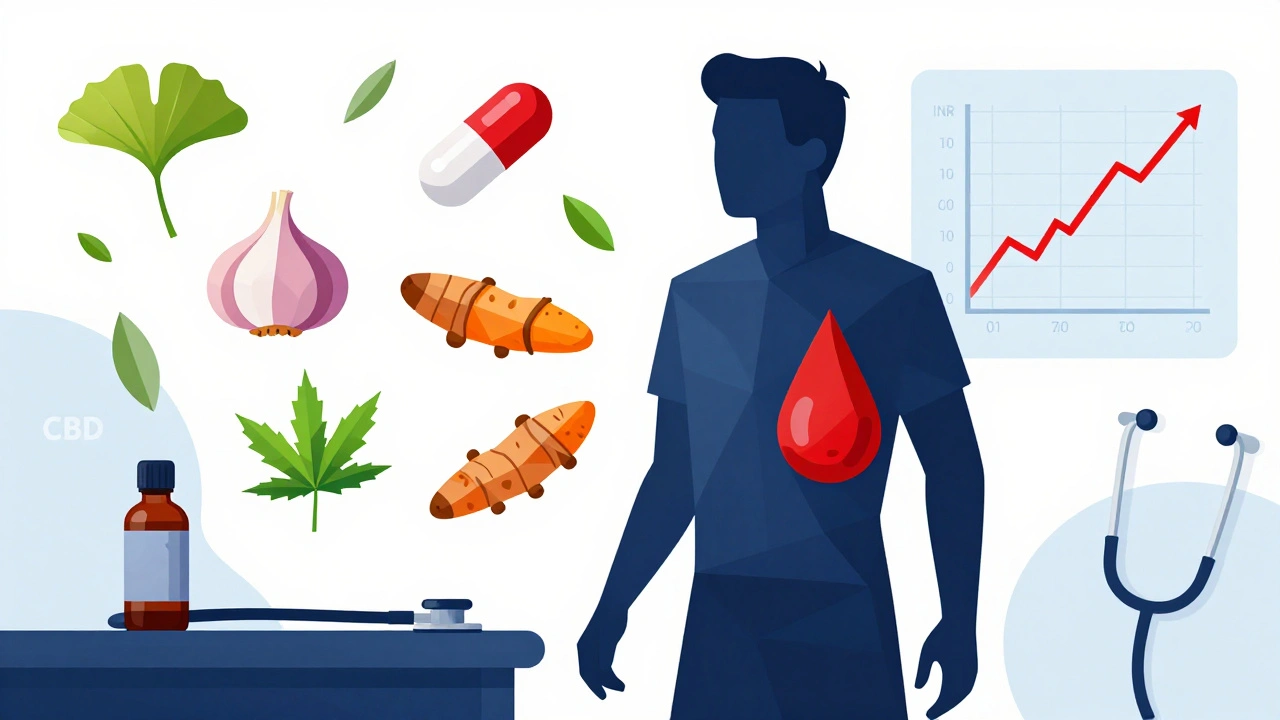
Every year, tens of thousands of people end up in emergency rooms because they didn’t know a common herbal supplement could turn their blood thinner into a danger zone. It’s not scare tactics-it’s data. The FDA reports between 30,000 and 50,000 annual visits linked to these interactions. And the worst part? Most patients never told their doctor they were taking turmeric, garlic pills, or ginkgo.
Why This Isn’t Just a "Natural Is Safe" Myth
People assume that if something comes from a plant, it’s harmless. But plants are powerful. Ginkgo biloba, for example, doesn’t just "support circulation." It actively blocks platelet-activating factor, which makes blood less likely to clot. When you add that to warfarin-a drug designed to do the same thing-you’re stacking two brakes on the same car. The result? A dangerous spike in bleeding risk. A 2020 review found that nearly 58% of dangerous interactions happen because herbs directly amplify the effect of anticoagulants, not because they change how the body processes the drug. That means even if your blood test looks normal, your body could be on the verge of internal bleeding. Danshen (Salvia miltiorrhiza), a common herb in traditional Chinese medicine, has been shown to boost INR levels by 300-400% in just three days when taken with warfarin. That’s not a minor fluctuation. That’s a medical emergency waiting to happen.The Top 10 Dangerous Herbs (And What They Do)
The FDA analyzed over 14,000 adverse event reports and pinpointed the top 10 herbal supplements that cause the most serious issues with blood thinners. Here’s who’s on the list and why they’re risky:- Ginkgo biloba: Increases bleeding risk by inhibiting platelet function. Responsible for nearly 20% of all reported bleeding events linked to herbs.
- Garlic: Contains allicin, which thins blood and can cause nosebleeds, bruising, or worse during surgery.
- Ginger: Even small doses (over 1 gram daily) can interfere with clotting. Some patients tolerate it fine, but others see INR spikes.
- Ginseng: Can either increase or decrease warfarin’s effect-unpredictable and dangerous.
- St. John’s Wort: Speeds up the breakdown of apixaban and rivaroxaban, making them useless. One study showed a 50% drop in drug levels within 72 hours.
- Chamomile: Contains coumarin, a natural blood thinner. Often used in tea, but cumulative effects add up.
- Cranberry: Not just for UTIs. Can increase INR by interfering with warfarin metabolism. The FDA has issued warnings since 2007.
- Green tea: High in vitamin K when consumed as a supplement. But in large amounts, its catechins can also inhibit clotting factors.
- Chinese wolfberry (goji berry): Linked to INR spikes in multiple case reports, especially in older adults.
- Dong quai: Often marketed as a "women’s herb," but it’s a potent anticoagulant. Never combine with warfarin.
These aren’t rare outliers. Together, they account for nearly 70% of all severe interactions. And none of them are regulated for safety before hitting store shelves.
Warfarin vs. Newer Blood Thinners: Not All Are Equal
Many assume that switching from warfarin to a newer drug like apixaban or dabigatran means they’re off the hook. That’s not true. Warfarin is tricky because it’s metabolized by just two liver enzymes (CYP2C9 and CYP3A4). If a herb blocks those, warfarin builds up fast. But newer anticoagulants aren’t immune. St. John’s Wort, for instance, activates an enzyme called P-glycoprotein that shoves apixaban out of your system before it can work. One clinical trial showed apixaban levels dropping by half in just three days after starting St. John’s Wort. And here’s the catch: you can’t rely on INR tests to catch these problems with newer drugs. INR only measures warfarin’s effect. With apixaban or rivaroxaban, you need specific blood tests-or you’re flying blind.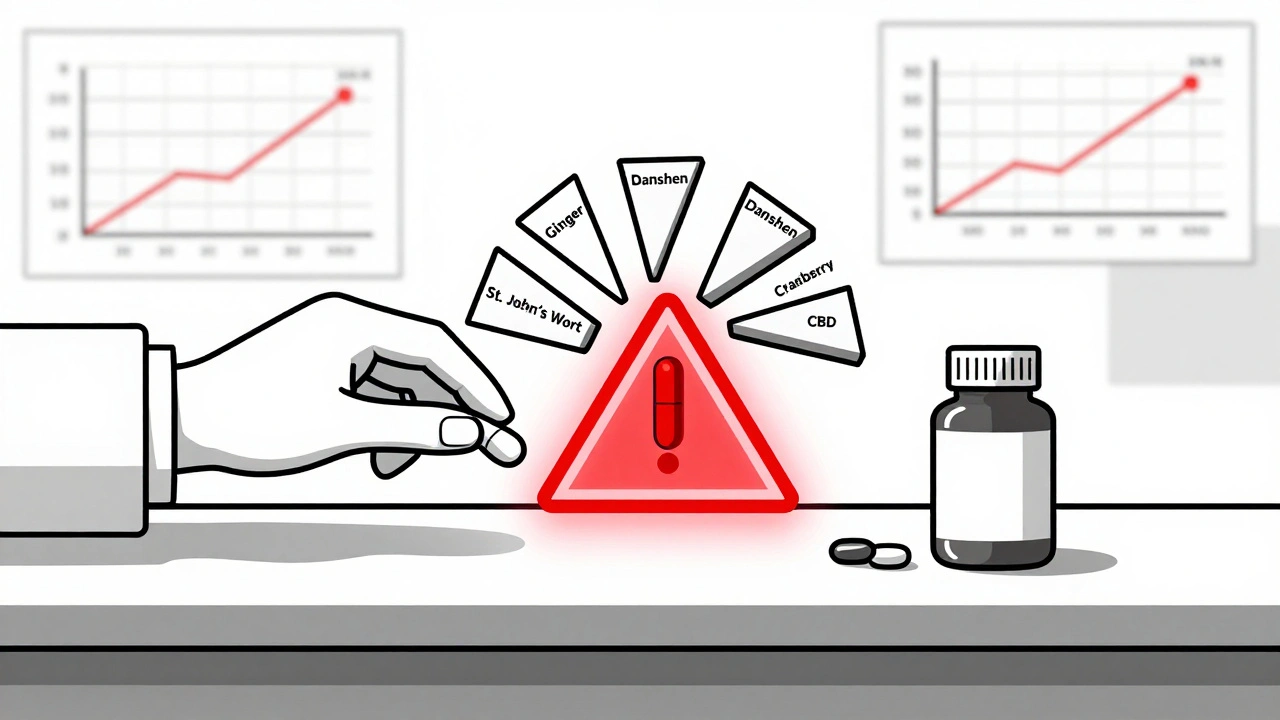
Why Doctors Don’t Always Ask (And Why That’s a Problem)
A 2024 Medscape survey of 1,247 patients on anticoagulants found that 69% never told their doctor about herbal supplements. Why? Because they were never asked. Doctors ask about prescriptions-89% of them do. But only 37% routinely ask about herbs or supplements. That gap is deadly. One patient in a 2023 case report started taking turmeric for joint pain. Two weeks later, he had a gastrointestinal bleed. His INR was 7.8-nearly triple the safe range. He didn’t mention the turmeric because his doctor never brought it up. Even when patients do mention herbs, documentation is poor. Only 27% of medical records include herbal supplement use, according to a study in Innovations in Clinical Research Management. That means if you’re rushed into surgery or admitted to the ER, your care team might not know you’re taking something that could make you bleed out.What You Can Do Right Now
You don’t need to quit all herbs. But you need to be smart.- Make a list: Write down every supplement, tea, tincture, or capsule you take-even if you think it’s "just for sleep" or "a little ginger for digestion."
- Bring it to every appointment: Show your doctor or pharmacist the actual bottles. Don’t rely on memory.
- Use trusted resources: The Natural Medicines Database rates interactions on a scale of 1 to 7. Level 7 = life-threatening. If your herb is rated 6 or 7 with your anticoagulant, stop it and talk to your provider.
- Don’t assume "low dose" is safe: Even one garlic capsule a day can be enough to raise bleeding risk. There’s no established safe threshold for most herbs when combined with blood thinners.
- Watch for warning signs: Unexplained bruising, nosebleeds that won’t stop, blood in urine or stool, headaches with vision changes, or sudden weakness could mean internal bleeding. Get checked immediately.
The Hidden Risk: CBD and New Supplements
CBD oil is everywhere-marketed for sleep, anxiety, pain. But a 2024 JAMA Internal Medicine trial found that 68% of warfarin users who took CBD saw their INR rise by 2.8 times or more. That’s not a small bump. That’s a red flag. CBD blocks the same liver enzymes (CYP2C9 and CYP3A4) that warfarin needs to break down. So it’s not just about herbs anymore. Any new supplement, especially ones with little regulation, could be hiding a dangerous interaction. And here’s the scary part: 34.7% of herbal products contain ingredients not listed on the label, according to the FDA’s 2023 surveillance report. You think you’re taking pure ginger, but you might be getting a hidden anticoagulant like coumarin or even a prescription drug like warfarin itself.What’s Changing in 2025
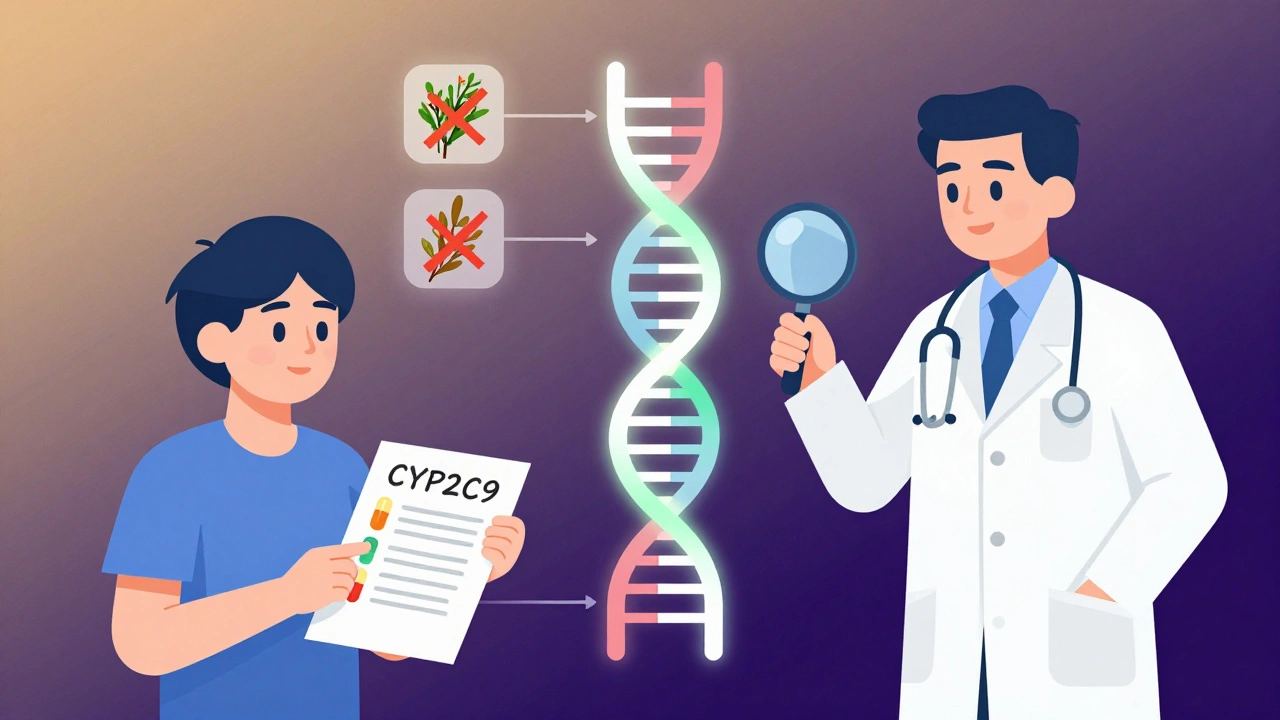
There’s hope on the horizon. In early 2025, the FDA required all new anticoagulant prescriptions to include a standardized herbal interaction checklist. Pharmacists now have to ask about supplements when dispensing these drugs. In Europe, a new AI tool called MedCheck AI is being rolled out in hospitals. It scans your medication list-including herbs-and flags dangerous combinations with 92.4% accuracy. It’s not perfect, but it’s a step forward. And in the future, genetic testing may help. The International Warfarin Pharmacogenetics Consortium found that testing for CYP2C9 and VKORC1 gene variants reduces bleeding risk by 31% in patients who also use herbs. If you’re on long-term warfarin, ask your doctor if pharmacogenomic testing is right for you.Final Reality Check
You can’t control everything. But you can control what you tell your care team. If you’re on a blood thinner, your herbal supplements aren’t a personal choice-they’re a medical issue. The fact that you’re reading this means you care about your safety. Now take action. Don’t wait for your doctor to ask. Don’t assume "natural" means safe. Don’t think a little bit won’t hurt. The data is clear: interactions happen, they’re dangerous, and they’re preventable. Start today. Write down your supplements. Bring them to your next appointment. Ask: "Could this interact with my blood thinner?" That one question could save your life.Can I still take turmeric if I’m on warfarin?
Turmeric contains curcumin, which can inhibit platelet function and may increase INR levels. While some patients tolerate low doses, there’s no proven safe amount when combined with warfarin. Case reports show INR spikes leading to hospitalization. It’s best to avoid turmeric supplements entirely. If you use it in cooking, keep your intake consistent-don’t suddenly add large amounts.
Do newer blood thinners like Eliquis or Xarelto have fewer herb interactions?
They have fewer interactions than warfarin, but they’re not safe from herbs. St. John’s Wort cuts apixaban levels by half. Ginkgo, garlic, and ginger still raise bleeding risk. Unlike warfarin, there’s no routine blood test to monitor these drugs, so you won’t know if an herb is making them ineffective or too strong. Always assume any herb could interfere.
Is it safe to drink green tea while on blood thinners?
Drinking 1-2 cups of green tea per day is generally fine for most people on anticoagulants. But green tea supplements, extracts, or concentrated powders are dangerous. They contain high levels of catechins and can interfere with clotting. Also, green tea contains vitamin K, which can lower warfarin’s effect if you suddenly increase your intake. Consistency matters more than avoidance.
Why don’t supplement labels warn about blood thinner interactions?
Under U.S. law (DSHEA of 1994), herbal supplements don’t need FDA approval before being sold. Manufacturers aren’t required to test for drug interactions or list warnings. Only about 28% of products are verified by third parties like USP. That means you’re buying products with no safety guarantees. Assume every supplement has potential risks unless proven otherwise.
What should I do if I’ve already been taking herbs with my blood thinner?
Don’t stop abruptly-some herbs can cause rebound effects. Make a list of everything you’re taking and schedule an appointment with your doctor or pharmacist. They can check your INR (if on warfarin) or assess your bleeding risk. If you’ve had unexplained bruising, nosebleeds, or dark stools, seek medical attention immediately. Your safety depends on open communication, not guesswork.
Can I use CBD oil if I’m on a blood thinner?
No. A 2024 clinical trial showed CBD oil increased INR by 2.8 times in 68% of warfarin users. CBD blocks the same liver enzymes that process warfarin, causing dangerous buildup. Even low-dose CBD products carry this risk. There’s no safe level established. Avoid CBD entirely if you’re on any anticoagulant.
Are there any herbs that are safe with blood thinners?
There’s no herb that’s universally considered safe with anticoagulants. Even commonly used ones like ginger or chamomile have caused bleeding events in sensitive individuals. The safest approach is to avoid all herbal supplements unless your provider confirms they’re safe for your specific situation. Always assume interaction until proven otherwise.



Lara Tobin
Wow, this post really hit home. I’ve been on warfarin for years and never thought twice about my chamomile tea. Now I’m going through my cabinet like a detective. 😅 Thanks for laying it out so clearly - I feel less scared and more empowered.