
Drug-Induced Lupus Risk Assessment Tool
This tool helps you assess your risk of drug-induced lupus based on medications you're taking, symptoms you're experiencing, and duration of use. It's based on the latest medical guidelines for identifying DIL.
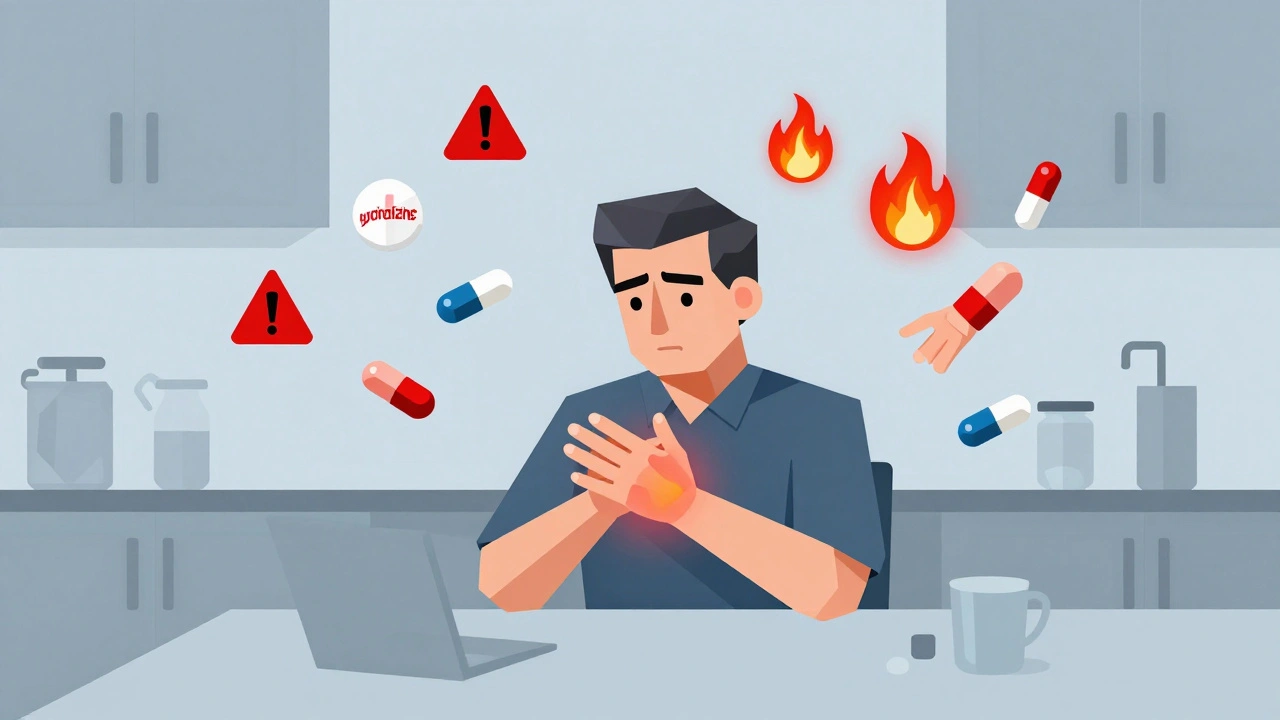
Most people don’t realize that a common blood pressure or heart medication could be triggering lupus-like symptoms. Drug-induced lupus (DIL) isn’t the same as systemic lupus erythematosus (SLE), but it feels just as real: joint pain, fatigue, fever, and sometimes trouble breathing. The good news? It’s not permanent. If you’re over 50 and taking certain drugs, and you’ve started feeling unwell, this could be the missing piece.
What Drug-Induced Lupus Actually Feels Like
Drug-induced lupus doesn’t come with the classic butterfly rash you see in movies. Instead, it shows up as deep, achy joints-especially in the hands, knees, and wrists. Muscle pain hits 75% of people with DIL. You might feel like you’ve been hit by a truck every morning, even if you didn’t do anything physical. Fatigue isn’t just being tired. It’s the kind that makes getting out of bed feel impossible, no matter how much sleep you get.
Fever comes and goes without infection. You might lose weight without trying. Some people develop pleuritis-pain when breathing deeply-or pericarditis, which causes sharp chest pain that gets worse when lying down. These symptoms are real, but they’re not always linked to the heart or lungs. They’re your immune system going haywire because of a drug you’ve been taking.
Unlike regular lupus, DIL rarely attacks the kidneys or brain. Less than 5% of cases involve kidney damage. Skin rashes happen, but they’re usually mild and not triggered by sun exposure like in SLE. If you’ve had a rash for months and your dermatologist says it’s not psoriasis or eczema, ask if it could be drug-induced.
Which Medications Cause It?
Not every drug causes this. But some are well-known triggers. Hydralazine, used for high blood pressure, is one of the biggest culprits. About 5 to 10% of people who take it long-term develop DIL. Procainamide, an older heart rhythm drug, is even riskier-up to 30% of users may develop symptoms after years of use.
Minocycline, a common acne antibiotic, is another. It’s often prescribed for years, and people don’t connect their joint pain to it. TNF-alpha inhibitors, used for rheumatoid arthritis and Crohn’s disease, have become more common causes since 2015. Even some cancer immunotherapies like pembrolizumab have been linked to DIL in rare cases.
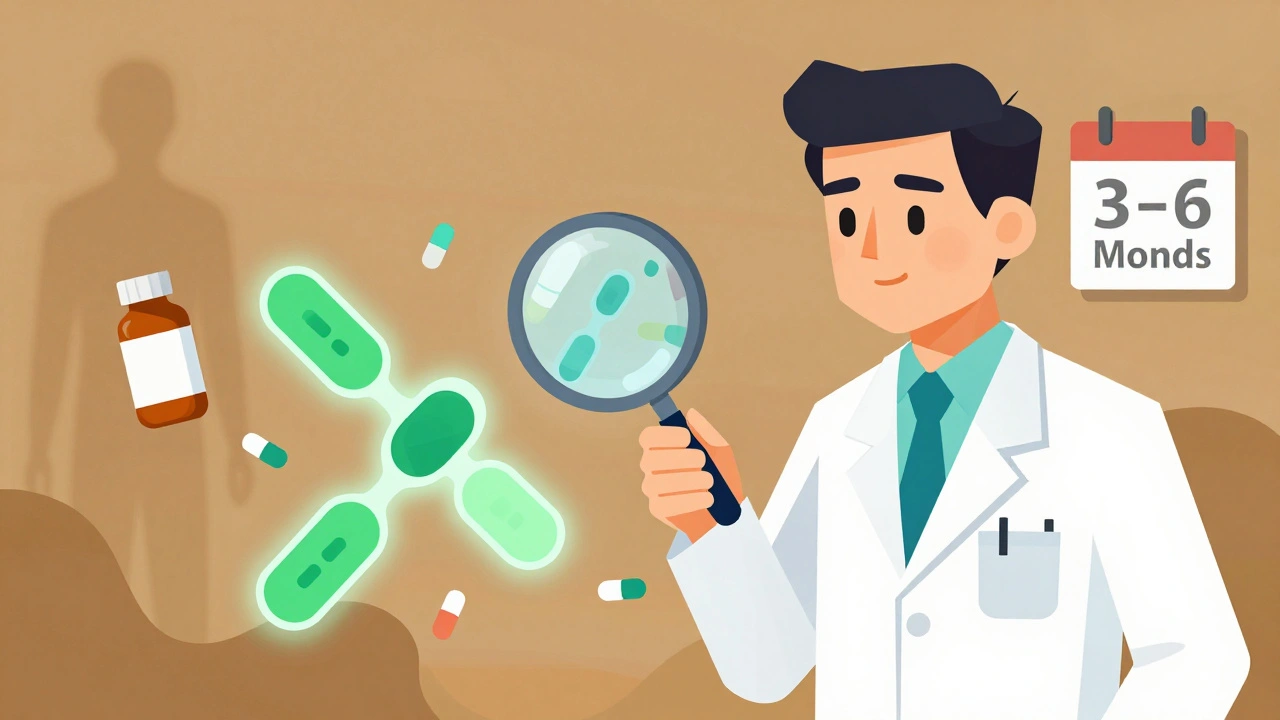
The timing matters. Symptoms usually show up after 3 to 6 months of taking the drug, but they can appear as early as 3 weeks or as late as 2 years. If you started a new medication and then your body started acting strange, that’s a red flag.
How Doctors Test for It
There’s no single test for DIL. Diagnosis is a puzzle. First, your doctor will ask: What drugs are you taking? This is the most important question. Many cases are missed because doctors don’t think to ask.
Then comes blood work. Over 95% of people with DIL test positive for antinuclear antibodies (ANA). But ANA is also positive in many other conditions. The real clue? Anti-histone antibodies. These show up in 75 to 90% of DIL cases-especially with hydralazine and procainamide. In regular lupus, only about half of patients have them.
Another key difference: anti-dsDNA antibodies. These are strong markers for SLE, found in 60-70% of cases. But in DIL, they’re present in fewer than 10%. If your ANA is positive but anti-dsDNA is negative, and you’re on a high-risk drug, DIL is likely.
Your doctor might also check your ESR and CRP-blood markers of inflammation. These are usually elevated in DIL, confirming your body is in an inflammatory state. But they don’t tell you why. That’s where your medication history comes in.
Recovery: What Happens When You Stop the Drug
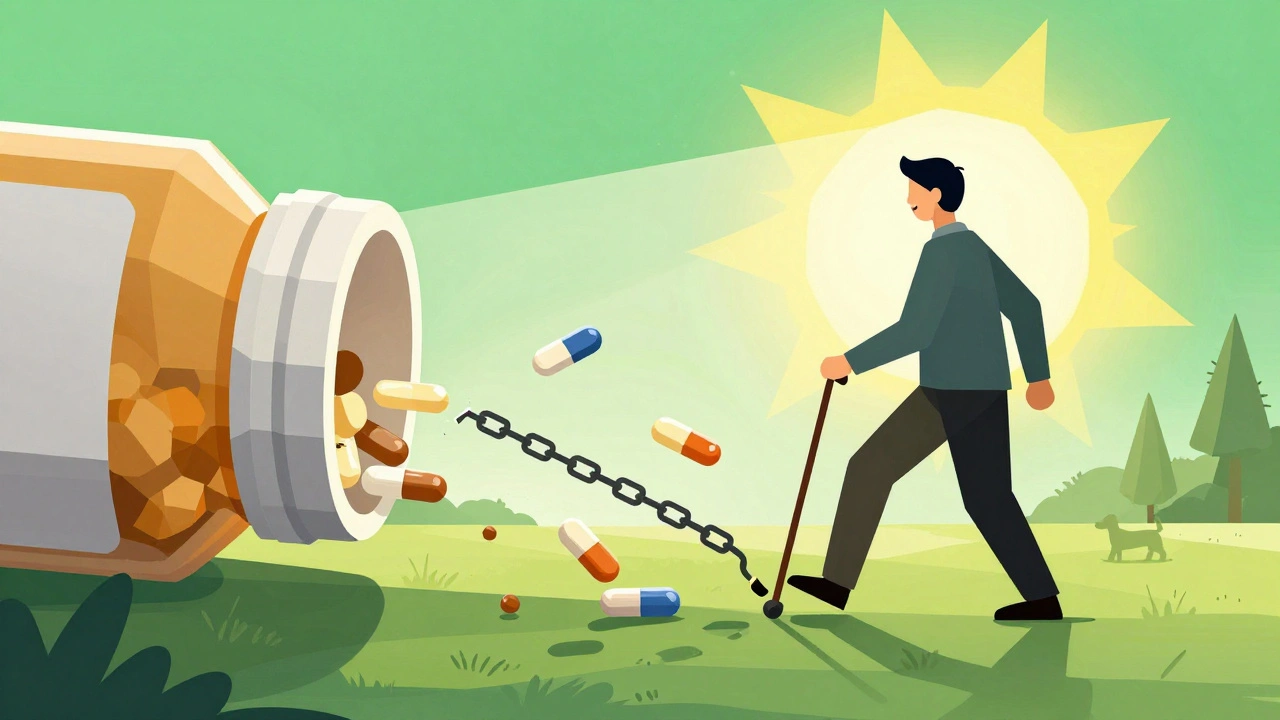
The best part? You don’t need lifelong steroids or immune suppressants. Stopping the drug is the cure.
Most people start feeling better within 2 to 4 weeks. One patient on Reddit stopped hydralazine after 18 months and saw 80% improvement in joint pain within a month. Another switched from minocycline to doxycycline for acne and noticed swelling gone in three weeks.
By 12 weeks, 95% of patients have major improvement. In 80% of cases, symptoms disappear completely. No permanent damage. No lifelong diagnosis.
But not everyone improves that fast. About 10% still have symptoms after stopping the drug. For them, doctors may prescribe NSAIDs like ibuprofen for pain and inflammation. If that’s not enough, a short course of low-dose prednisone (5-10 mg daily for 4-8 weeks) helps 85-90% of those cases.
Severe cases-like ongoing pericarditis or pleuritis-might need stronger drugs like azathioprine or methotrexate. But these are rare. Most people just need to stop the drug and wait.
Why So Many People Are Misdiagnosed
Up to 25% of DIL cases are wrongly labeled as systemic lupus. That’s dangerous. If you’re told you have SLE, you might be put on long-term immunosuppressants you don’t need. You could be told to avoid sunlight, limit activity, or even avoid pregnancy-none of which apply to DIL.
Some patients are told they have fibromyalgia or chronic fatigue syndrome. These diagnoses are often given when doctors can’t find a clear cause. But DIL has a clear cause: the drug. If you’ve been on one of the high-risk medications and have lupus-like symptoms, insist on testing for anti-histone antibodies.
Age matters too. SLE usually hits women between 15 and 45. DIL hits men and women over 50. If you’re a 62-year-old man with joint pain and you’ve been on hydralazine for 5 years, it’s not lupus-it’s probably DIL.
What to Do If You Suspect DIL
Don’t stop your medication on your own. Some of these drugs are critical for heart or blood pressure control. Stopping suddenly can be dangerous.
Instead, make a list of every medication you’ve taken in the last 2 years. Include doses and start dates. Bring it to your doctor. Ask: Could any of these cause drug-induced lupus?
If your doctor dismisses it, ask for a referral to a rheumatologist. Bring the blood test results you’ve already had. Mention anti-histone antibodies. If they don’t know what those are, that’s a red flag.
If you’re on hydralazine or procainamide and have symptoms, ask about alternatives. For blood pressure, ACE inhibitors or ARBs are safer. For heart rhythm, amiodarone has a much lower DIL risk than procainamide.
What’s Changing in 2025
Doctors are getting better at spotting DIL. In 2023, the American College of Rheumatology updated its diagnostic criteria to make it easier to distinguish DIL from SLE. New guidelines now include medication exposure timelines and antibody patterns.
Some clinics in Europe and Australia now test for NAT2 gene status before prescribing hydralazine. If you’re a slow acetylator, your risk of DIL jumps nearly fivefold. That test isn’t routine yet, but it’s becoming more common.
Researchers are also studying ways to prevent DIL while still using necessary drugs. Early trials are testing molecules that block the immune response triggered by histones-without shutting down the whole immune system. That could mean people on TNF inhibitors won’t have to choose between treating their arthritis and risking lupus.
By 2030, DIL cases are expected to rise 15-20% because more older adults are on multiple medications. But with better awareness and faster testing, diagnosis times could drop from 4.7 months to under 2 months. That means less suffering and fewer misdiagnoses.
Real Stories, Real Recovery
One woman in Melbourne, 68, was on hydralazine for 7 years. She developed crippling joint pain and thought it was arthritis. Her rheumatologist found anti-histone antibodies and no anti-dsDNA. She switched to losartan. Within 6 weeks, her pain was gone. She’s now back to gardening and walking her dog daily.
A man in Sydney, 72, took minocycline for acne for 3 years. He developed a low-grade fever and swollen knuckles. His GP thought it was flu. After three months, he saw a specialist. Stopped the antibiotic. Symptoms vanished in 21 days.
These aren’t rare. They’re common-but overlooked.
If you’re taking a long-term medication and your body feels off, don’t assume it’s aging. Don’t assume it’s stress. Ask the question. Get the test. You might just be one drug change away from feeling like yourself again.



Shawna B
I took minocycline for years and never thought my joint pain was from it. I just figured I was getting old. This makes so much sense.