
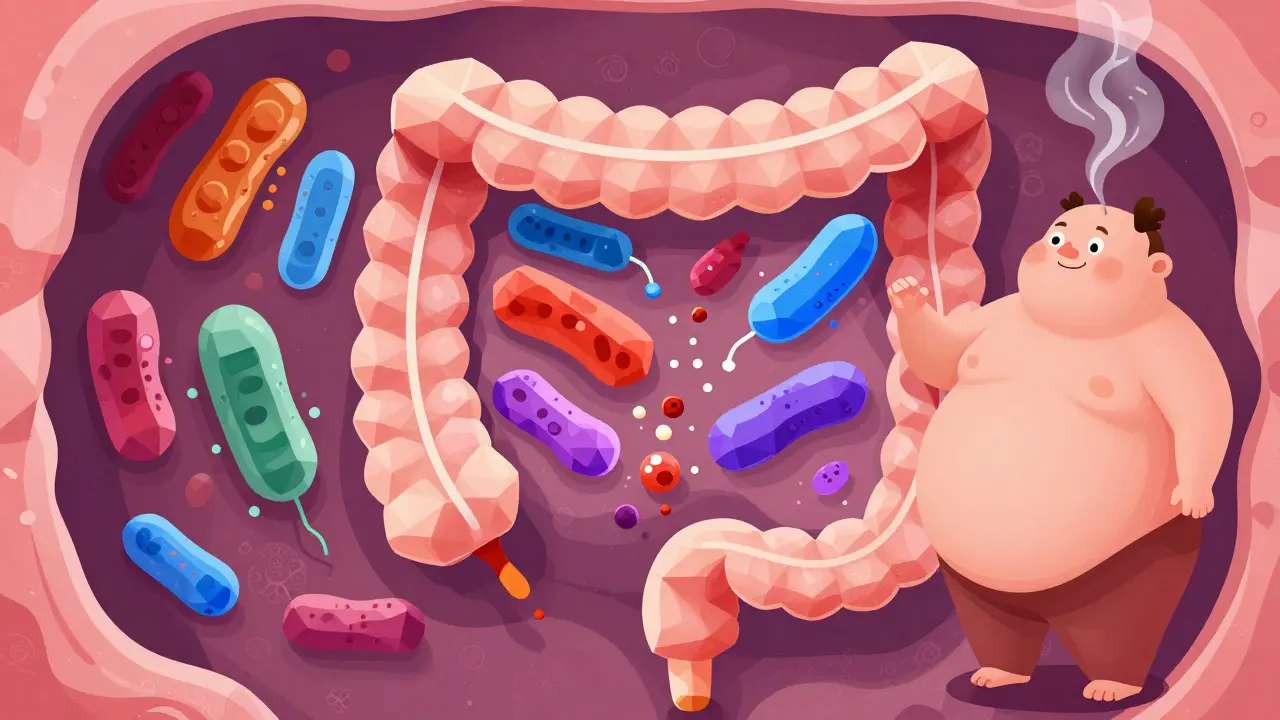
When you think about losing weight, you probably think about calories in, calories out. But what if the real story is happening inside your gut? Trillions of bacteria, viruses, and fungi live in your digestive system-collectively called your gut microbiota. And science is finding that these tiny organisms might be one of the biggest hidden factors in why some people struggle with weight, while others don’t, even when they eat the same things.
What’s Really Going on in Your Gut?
Your gut isn’t just a tube for digesting food. It’s a living ecosystem. In a healthy adult, it holds about 1-2 kilograms of microbes-more than all the cells in your body combined. These microbes help break down fiber, produce vitamins, train your immune system, and even send signals to your brain about hunger and fullness. In people with obesity, this ecosystem looks different. Studies dating back to 2004 showed that the balance of bacteria in obese individuals isn’t the same as in lean people. One of the most consistent findings? A higher ratio of Firmicutes to Bacteroidetes. In a 2023 study of Brazilian teens, obese adolescents had a Firmicutes/Bacteroidetes ratio of 2.3:1, while lean peers had 1.7:1. That might sound like a small difference, but it has big consequences. Firmicutes are better at extracting energy from food-especially from fiber that your body can’t digest on its own. That means if you have more Firmicutes, your body might be pulling out an extra 2-10% of calories from the same meal. Over time, that adds up. One study estimated this extra energy harvest could lead to an additional 150-200 calories absorbed daily-enough to gain 15-20 pounds a year without changing your diet.How Gut Bacteria Make Weight Harder to Lose
It’s not just about calories. Your gut bugs also affect how your body stores fat and handles insulin. In obesity, the gut lining often becomes more permeable-sometimes called a “leaky gut.” This lets harmful bacterial byproducts like lipopolysaccharides (LPS) slip into your bloodstream. LPS triggers inflammation, which is a key driver of insulin resistance. And once insulin resistance sets in, your body stops using glucose properly and starts storing it as fat. Another big player is short-chain fatty acids (SCFAs), especially butyrate. These are made when good bacteria ferment fiber. Butyrate helps keep your gut lining strong, reduces inflammation, and even improves insulin sensitivity. In obese individuals, butyrate levels are often 15-20% lower than in lean people. That’s not because they eat less fiber-it’s because their gut bacteria don’t produce it efficiently. And then there’s the gut-brain connection. Your gut microbes produce chemicals that influence your appetite. Some strains can increase the release of GLP-1, a hormone that makes you feel full and slows digestion. Others may interfere with signals that tell your brain you’ve had enough to eat. It’s like your gut is sending mixed messages to your brain-and in obesity, those messages often favor overeating.Can Probiotics Help?
Probiotics are live bacteria you take to improve your gut health. Not all probiotics are the same. Some strains have shown real effects on weight and metabolism. The most studied ones include Lactobacillus gasseri SBT2055, Lactobacillus rhamnosus GG, and Bifidobacterium longum. A 2022 Japanese trial gave overweight adults Lactobacillus gasseri SBT2055 daily for 12 weeks. They lost nearly 8% of their visceral fat-the dangerous fat around organs. That’s more than what most diet plans achieve in the same time. Another study found that a combination of Bifidobacterium, Lactobacillus, and Streptococcus strains, taken at 10 billion CFUs per day, improved insulin sensitivity by almost 19% and cut inflammation markers by 25% in just 12 weeks. A 2025 meta-analysis of 28 studies involving over 2,300 people found that probiotic supplements led to an average weight loss of 1.78 kg and a waist reduction of 2.56 cm. But here’s the catch: BMI didn’t drop significantly. That’s because weight loss from probiotics isn’t always about the scale-it’s about fat distribution, inflammation, and metabolic health.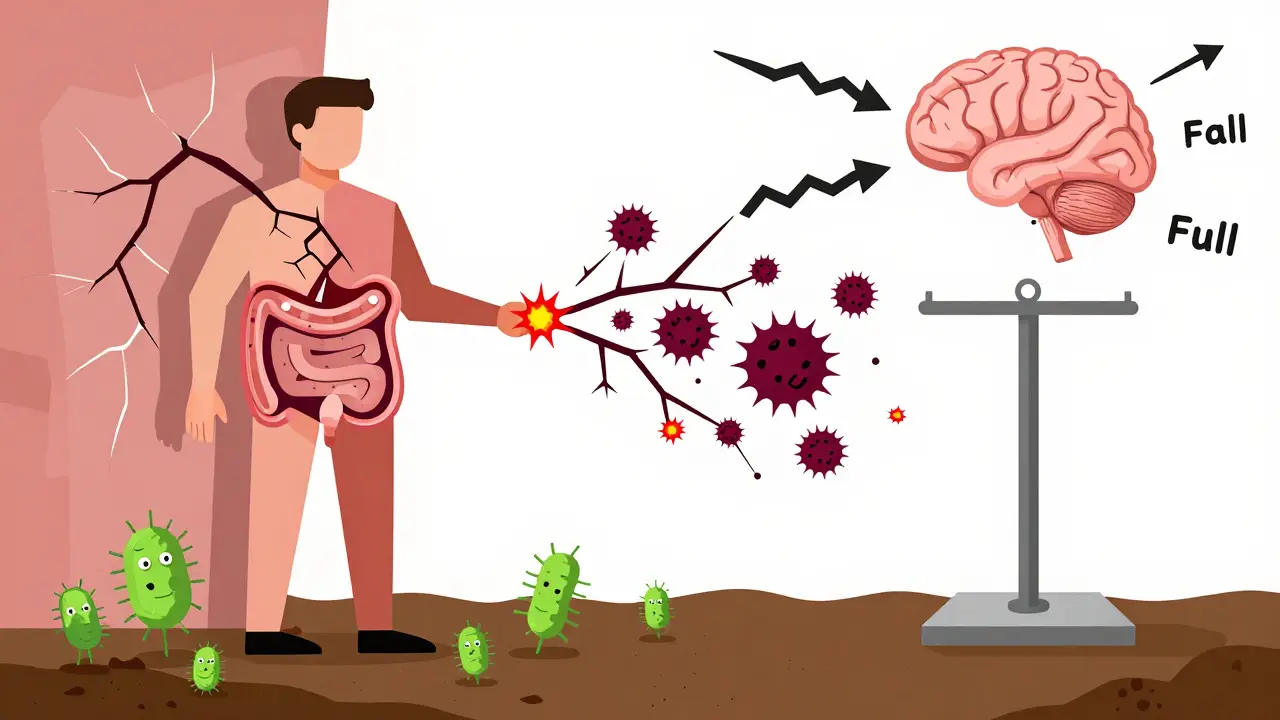
Synbiotics: The Better Option?
Probiotics alone aren’t always enough. Think of them like planting seeds in bad soil. They might not grow well. That’s where synbiotics come in-combinations of probiotics and prebiotics (fiber that feeds good bacteria). A 2025 review found synbiotics were 37% more effective at reducing weight than probiotics alone. Why? Because prebiotics like inulin, FOS, and resistant starch give the good bacteria the fuel they need to thrive. One study showed synbiotics boosted SCFA production by 15-25%, lowered LPS levels, and improved gut barrier function more than either component by itself. In real terms, that means better digestion, less bloating, and more stable blood sugar.Why It Doesn’t Work for Everyone
Here’s the uncomfortable truth: probiotics don’t work for everyone. About 38% of the strains studied showed no weight loss effect. Response rates vary from 45% to 75% across studies. And even when they work, the benefits often fade within 8-12 weeks after stopping. One reason? Your baseline microbiome matters. A 2024 review found probiotic interventions were 22% more effective in Asian populations than in Western ones. Why? Because diet, lifestyle, and genetics shape your gut bacteria differently. Someone who eats a lot of fermented foods and fiber may already have a healthy microbiome-adding probiotics won’t change much. But someone with a diet high in processed foods and low in plants might see big improvements. Another issue: most studies are short. The average trial lasts only 12 weeks. But changing your gut microbiome isn’t like taking a pill for a headache. It takes time. And without long-term dietary changes, the good bacteria won’t stick around.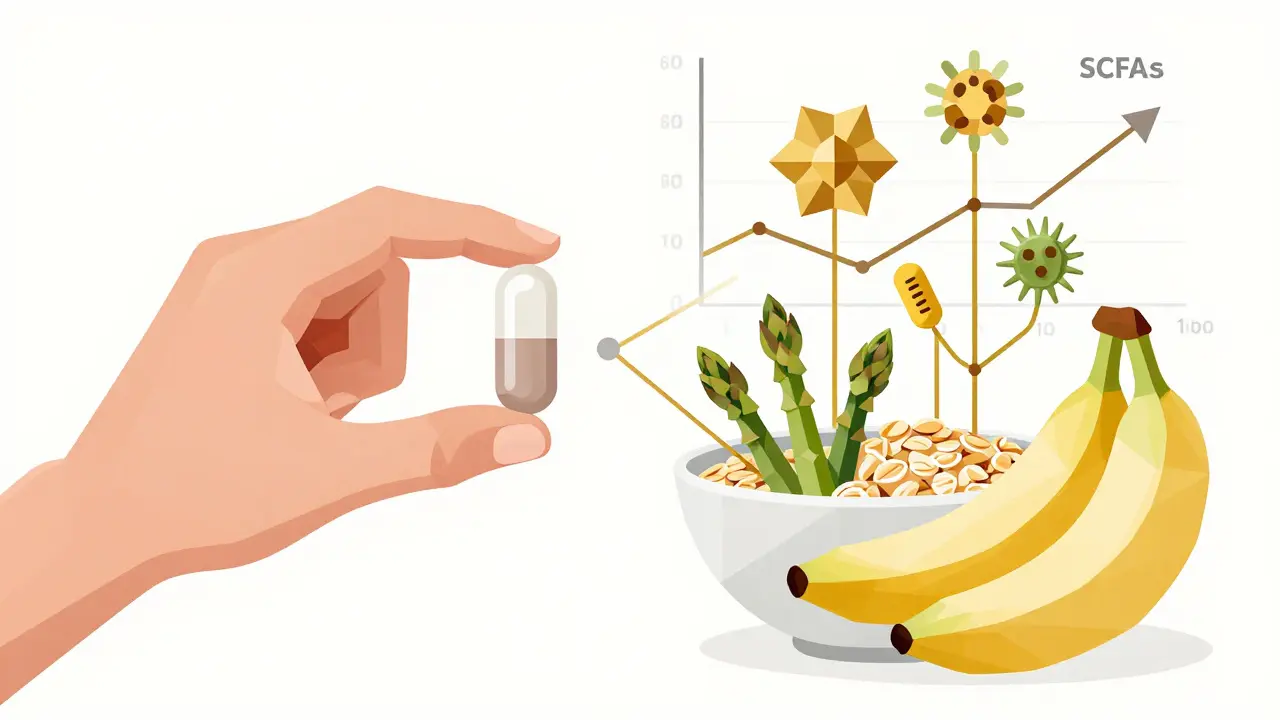
What Actually Works
If you want to use probiotics for weight management, here’s what the evidence says to do:- Choose strains with proven results: Lactobacillus gasseri SBT2055, Bifidobacterium longum, or multi-strain blends with at least 10 billion CFUs daily.
- Pair them with prebiotic fiber: eat garlic, onions, leeks, asparagus, oats, bananas, and flaxseeds daily.
- Take them consistently for at least 12 weeks-don’t expect quick fixes.
- Don’t rely on them alone. Probiotics work best when combined with a diet rich in plants, low in sugar, and moderate in protein and healthy fats.
The Bigger Picture
The truth is, probiotics aren’t magic pills. They’re tools. And like any tool, they work best in the right hands-and the right environment. If you’re overweight and struggling, your gut microbiome might be part of the problem. But fixing it isn’t about popping a supplement. It’s about changing your diet, reducing stress, sleeping well, and giving your good bacteria the food they need to flourish. The future of weight management might not be in low-carb diets or fat-burning pills. It could be in personalized probiotics-tailored to your unique microbiome. Early research already shows we can predict who will respond to probiotics with 65-75% accuracy by analyzing their gut bacteria before treatment. For now, the best advice is simple: eat more fiber. Eat more fermented foods like yogurt, kefir, sauerkraut, and kimchi. Cut back on sugar and ultra-processed foods. And if you want to try a probiotic, pick one with solid science behind it and stick with it for at least three months. Your gut-and your waistline-might thank you.Can probiotics help me lose belly fat?
Yes, certain probiotics can help reduce belly fat-especially visceral fat, the kind around your organs. The strain Lactobacillus gasseri SBT2055 has been shown in clinical trials to reduce visceral fat by nearly 8% over 12 weeks. But results vary. Probiotics work best when paired with a healthy diet and regular physical activity.
How long do I need to take probiotics to see results?
Most studies show noticeable changes after 8-12 weeks of daily use. Weight and fat loss effects typically appear around week 6-8. But because gut bacteria need time to establish, you should continue taking them for at least 3 months. Stopping too soon often means losing the benefits within 8-12 weeks.
Are all probiotics the same for weight loss?
No. Not all probiotics affect weight. Only specific strains like Lactobacillus gasseri, Lactobacillus rhamnosus GG, and Bifidobacterium longum have shown consistent results. Many commercial products contain strains with no proven effect on obesity. Always check the strain names on the label-not just the brand name.
Can I get enough probiotics from food instead of supplements?
Yes, fermented foods like yogurt (with live cultures), kefir, sauerkraut, kimchi, miso, and kombucha contain natural probiotics. But the dose and strain variety are often lower than in supplements. If your goal is targeted metabolic improvement, supplements with verified strains and CFU counts are more reliable. Food is great for daily maintenance, but supplements may be needed for therapeutic effects.
Do probiotics work for everyone?
No. Studies show only 45-75% of people respond to probiotics for weight loss. Your baseline gut microbiome, diet, genetics, and lifestyle all affect whether they’ll work for you. People with poor diets and low fiber intake tend to benefit more. Those already eating whole foods may see little change. Personalized approaches based on microbiome testing are emerging but still experimental.
Is it safe to take probiotics long-term?
For most healthy people, yes. Probiotics are generally safe, even over months or years. Side effects are mild-maybe some bloating or gas at first. But if you have a compromised immune system, are critically ill, or have a central line, talk to your doctor first. Always choose reputable brands with third-party testing for purity and potency.




Ambrose Curtis
bro i tried that Lactobacillus gasseri stuff for 3 months and lost 5 lbs of belly fat but gained 3 lbs of muscle so the scale didn’t move. gut bugs are real but they ain’t magic. combine it with strength training and you’ll see changes that actually stick.