
Tossing out a bottle of pills because the date passed is more than just a waste of money; in the US alone, pharmaceutical waste costs the healthcare system roughly $20 billion every year. For a small clinic, that might look like $15,000 to $25,000 vanishing into the trash annually. Whether you're managing a professional clinic or just trying to organize your home medicine cabinet, the goal is the same: using what you have before it's gone. The trick isn't just tracking dates, but building a system that makes the oldest meds the easiest to find.
Key Takeaways: Stop the Waste
- Use FIFO (First-In, First-Out) to ensure older stock is used first.
- Maintain strict temperature controls to prevent early degradation.
- Switch to smaller, treatment-specific quantities for chronic meds.
- Leverage digital tracking or color-coding for visual alerts.
- Utilize official take-back programs for safe disposal.
Mastering the FIFO Method
The most effective way to stop waste is by implementing a FIFO is a First-In, First-Out inventory rotation system where the oldest stock is placed at the front of the shelf to be used first . It sounds simple, but in a busy environment, it's easy to just shove new shipments at the front. When you do that, the older bottles migrate to the back, where they sit unnoticed until they're months past their prime.
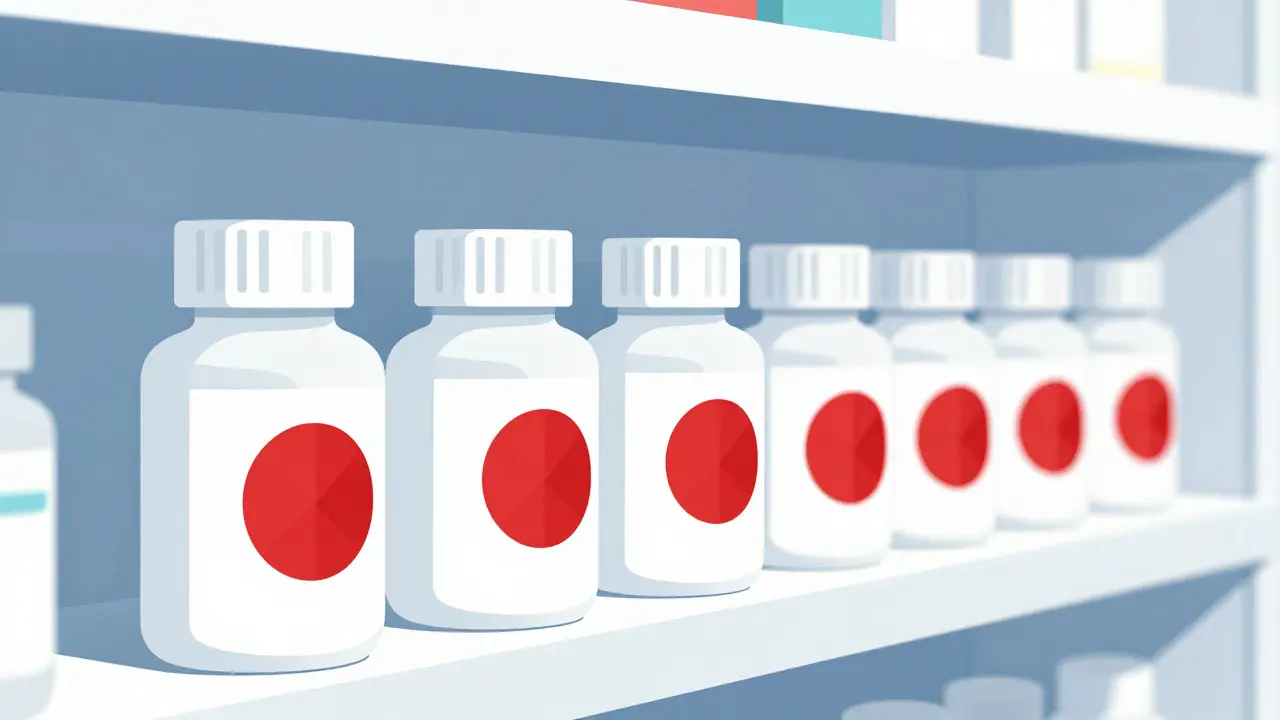
To make FIFO actually work, don't just rely on memory. Try a weekly audit-every Friday morning is a great time to scan your shelves. If you're in a smaller setting without a fancy computer system, use color-coded labels. For example, a bright red sticker can signal that a medication expires within the next 30 days. This creates a visual "use me first" signal that anyone on your team can understand at a glance.
The Science of Storage and Stability
Expiration dates aren't just random numbers; they're tied to how a drug holds up under specific conditions. If you store a medication in a hot, humid bathroom, it might lose its potency long before the date on the bottle. To keep meds within date and effective, you have to nail the environment.
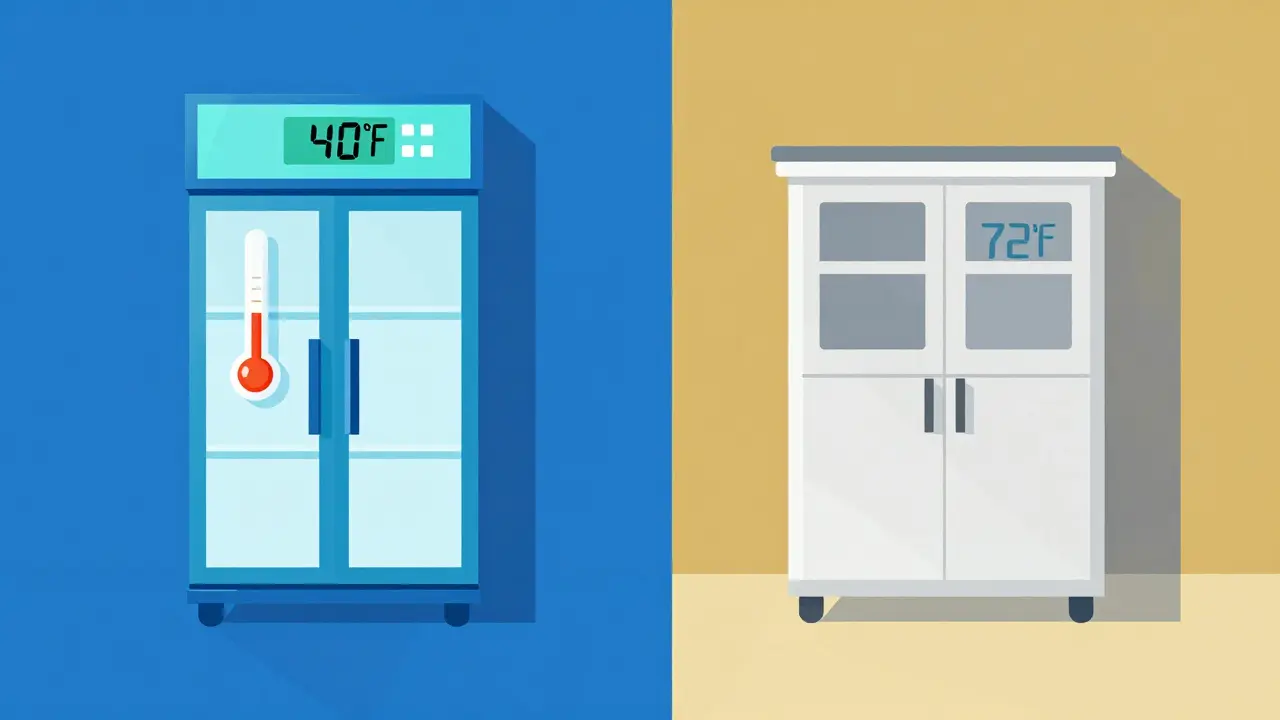
According to USP Chapter <797> is a set of pharmaceutical standards that mandate specific storage temperatures to ensure drug stability , there are two main zones you need to watch. Refrigerated drugs should stay strictly between 36-46°F (2-8°C). Room temperature meds need to be kept between 68-77°F (20-25°C). A simple mistake, like leaving a biologic on a counter for an hour, can lead to a "temperature excursion" that renders the drug useless, even if the date is still valid.
| Storage Type | Required Temp Range | Common Examples | Risk of Failure |
|---|---|---|---|
| Refrigerated | 36-46°F (2-8°C) | Insulins, Biologics | Loss of potency/denaturation |
| Room Temp | 68-77°F (20-25°C) | Most Tablets, Capsules | Chemical degradation |
Scaling Your Tracking: Manual vs. Digital
How you track your meds depends on your volume. If you're a solo practitioner or managing a home kit, a manual checklist is plenty. But once you have 20 or more providers, manual tracking usually fails because the volume of turnover-sometimes over 500 units a day-is just too high for a human with a clipboard to manage.
This is where Electronic Medication Management is the use of digital software and barcode scanning to track pharmaceutical inventory in real-time comes in. Systems like Epic Systems or Omnicell use barcode scanning to hit nearly 99.8% inventory accuracy. They send automated alerts when a drug is 30 days from expiring, effectively removing the guesswork from the process. While the initial cost can be steep-often ranging from $8,000 to $15,000-the reduction in waste usually pays for the system within a year.
Smarter Dispensing to Cut Waste
One of the biggest causes of waste is simply giving the patient too much. We've all seen it: a patient gets a 90-day supply of a medication, decides it doesn't work after two weeks, and the remaining 78 days of pills end up in the trash. This is a massive failure in the supply chain.
The fix is a strategy called "split-filling" or dispensing smaller quantities aligned with the actual treatment duration. By giving a patient a 14-day or 30-day supply instead of a full quarter, you can reduce waste by up to 37% in chronic care scenarios. It's a win-win; the patient isn't stuck with a mountain of unused meds, and the clinic doesn't lose money on over-prescribing.
Some pharmacies have moved toward Dose-dispensing systems are automated systems that package medications into individual, patient-specific doses . While these require an investment of around $12,000 to $20,000, they can slash patient-level waste by over 30% because they provide the exact amount needed for the specific treatment window.
Handling the Inevitable: Safe Disposal
No matter how perfect your system is, some things will expire. The real danger starts when people try to "get rid" of them. Flushing medications down the toilet or tossing them in the landfill is a disaster for the environment. According to the EPA is the Environmental Protection Agency, which regulates the disposal of hazardous pharmaceutical waste to prevent water contamination , incineration is the only truly safe way to dispose of hazardous drugs.
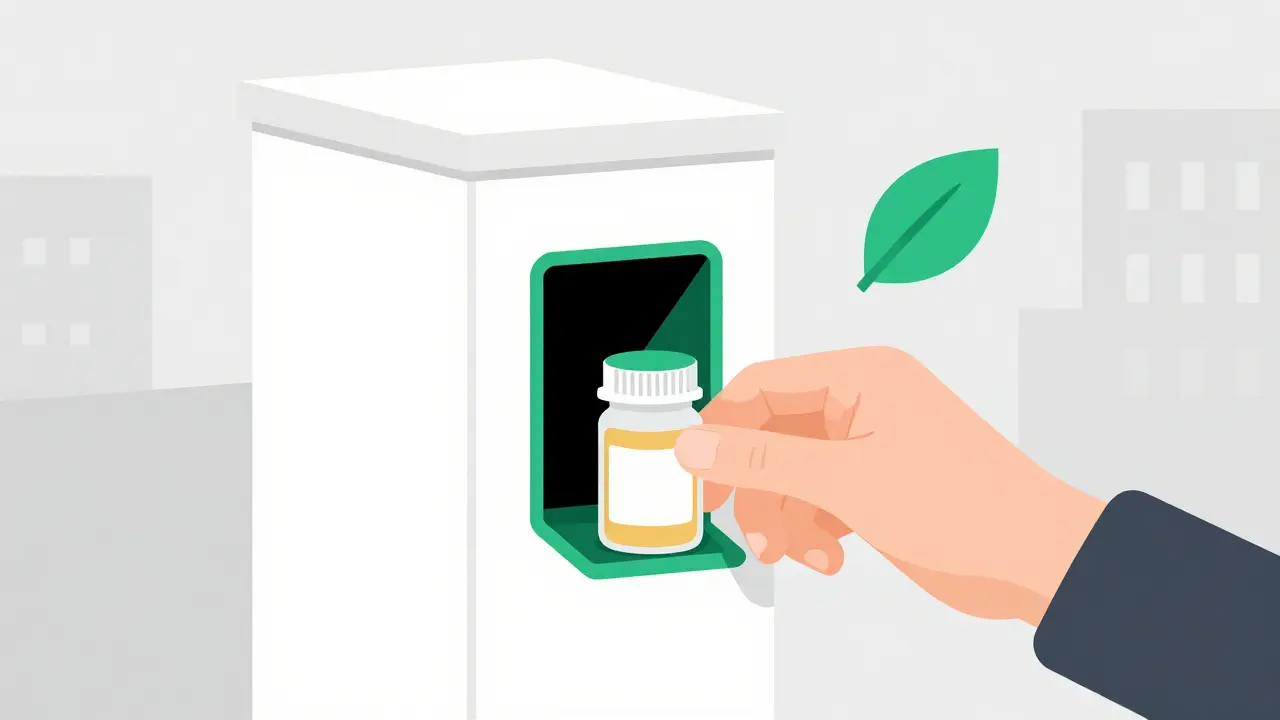
For most people, the gold standard is a drug take-back program. The FDA is the Food and Drug Administration, which provides guidelines and supports registered collection sites for expired medication has thousands of registered collection sites. Instead of guessing if a pill is "safe" to flush, take it to a certified site where it can be destroyed without leaching chemicals into the groundwater.
Does a medication become toxic the moment it expires?
Generally, no. Most medications don't become toxic immediately after the date on the label. However, they do lose potency. For life-saving drugs like insulin or nitroglycerin, a drop in potency can be dangerous because the drug won't work as intended during an emergency. Always consult a pharmacist before using an expired drug.
How often should I audit my medication inventory?
For small clinics or home use, a weekly audit (e.g., every Friday morning) is the gold standard. This allows you to identify medications expiring within the next 30 days and move them to the front of the line for use.
What is the most cost-effective way to track expiration dates in a small clinic?
A manual FIFO system combined with color-coded stickers is the most budget-friendly approach. It costs almost nothing to implement and is highly effective for facilities with fewer than 10 providers where inventory turnover is manageable.
Can I trust my meds if the power went out and the fridge warmed up?
Not necessarily. This is called a "temperature excursion." If refrigerated meds spend too much time outside the 36-46°F range, they can denature. You should check the manufacturer's stability data or call the pharmacist to see if the drug is still viable.
Why is incineration the preferred disposal method?
Many pharmaceuticals are hazardous waste. When they end up in landfills, they can seep into the soil and water table. High-temperature incineration breaks down the chemical compounds completely, preventing environmental contamination.
Next Steps for Better Management
If you're just starting to tackle your waste, don't try to digitize everything overnight. Start by cleaning out your shelves and applying a simple FIFO system. Move the newest bottles to the back and put a red sticker on anything expiring in the next month.
For clinic managers, the next logical step is to review your prescribing habits. Are you giving 90-day supplies for a medication that the patient might stop taking in two weeks? Shifting to split-fills can save you thousands of dollars in waste without requiring any new software. If your volume is growing, look into barcode-integrated EHR systems to automate the alerts that humans inevitably miss.



Sam Hayes
fifo is a lifesaver for small clinics honestly. i used to just push the new boxes to the front and we ended up tossing way too many vials of insulin every quarter. just a simple label system makes a huge difference in the long run