
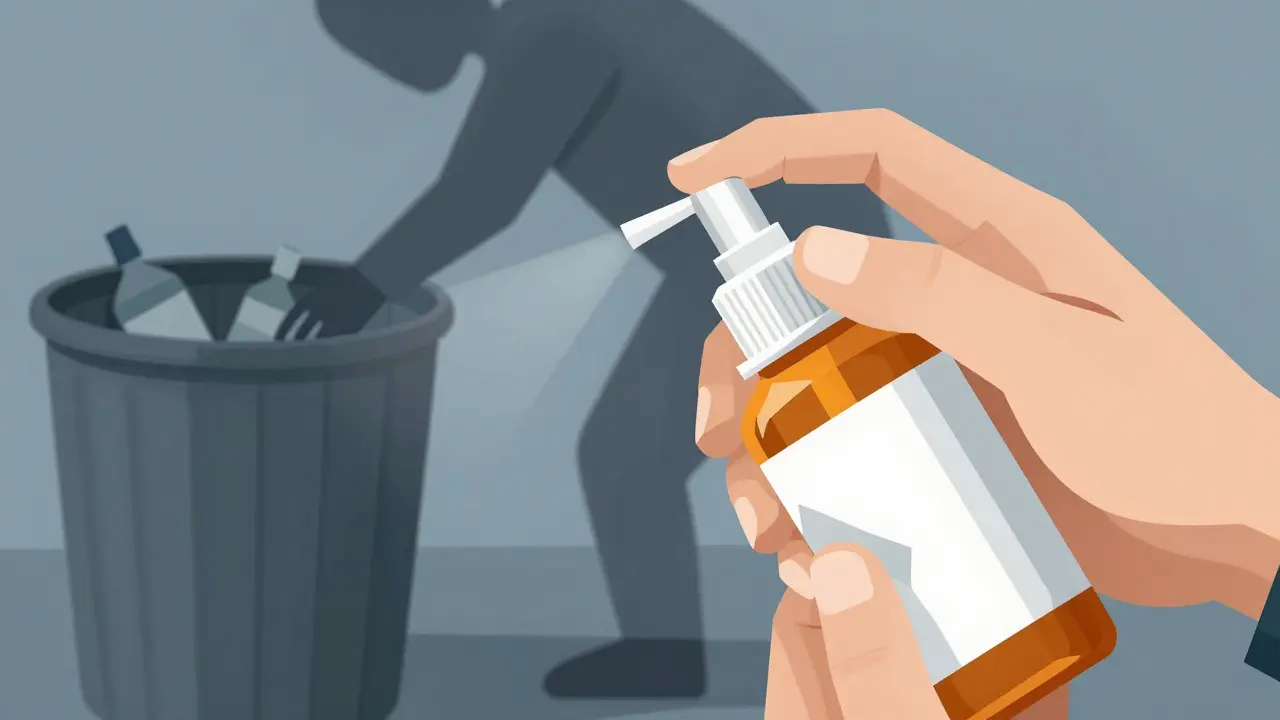
When you finish a prescription, you might just toss the bottle in the trash. But that little plastic container holds more than empty pills-it holds your name, birth date, doctor’s name, condition, and even your pharmacy’s address. All of it. And if someone digs through your bin, they can use that info to steal your identity, fake prescriptions, or commit insurance fraud. The FTC says prescription labels are one of the top five sources for medical identity theft. In 2021 alone, over 412,000 cases in the U.S. were tied to this exact problem. You don’t need to be a target to care-you just need to be smart.
Why Simply Tossing the Bottle Is Dangerous
Think about it: your medication bottle has your full legal name, the name of the drug you took, the dosage, the prescribing doctor, and the pharmacy that filled it. Even if you think the condition isn’t sensitive-say, high blood pressure or allergies-that info can be combined with other data to build a full profile of you. Criminals use this to apply for credit cards, file fake insurance claims, or even get controlled substances under your name. And once that happens, untangling it can take months, cost you hundreds or thousands, and damage your credit for years.Three Ways to Remove Personal Info-And Which One Actually Works
There are three common methods people try: peeling off the label, scribbling over it with a marker, or throwing the whole bottle in the shredder. Only one of them is reliably effective.1. Peeling Off the Label (Don’t Do This)
Most people start by trying to peel the label off by hand. It seems simple. But modern prescription bottles use waterproof acrylic adhesive that’s designed to stick permanently. In tests, 92% of manually peeled labels left behind sticky residue that still contained readable text. Even if you scrape it off, the ink often stays embedded in the plastic. A hairdryer or vinegar soak won’t help much either-CHOC’s own testing showed 78% failure rates with vinegar and 63% with heat. You’re just wasting time and leaving your data exposed.2. Black Marker Over the Label (Not Reliable)
Using a Sharpie or permanent marker is popular because it’s free and easy. But here’s the catch: ink doesn’t erase data-it hides it. Under infrared light, or with a simple photo enhancement app on your phone, most blacked-out text can be recovered. A 2021 Javelin Strategy study found that 41% of "blacked-out" labels still yielded full personal details. Even CHOC’s own guidelines say this method fails in 63% of cases. If you use this, you need to do it right: apply three thick, overlapping layers of permanent marker, covering every single letter. Wait a full minute for the ink to dry. Then hold the bottle up to a bright light. If you can still see any letters, you need to go again. But even then, you’re gambling. It’s not secure.3. Chemical Removal with Solvent (Best Method)
The most effective way to remove labels without residue is using a solvent designed for this purpose. Titan Labs’ Cleanup Solvent-22 is an acetone-based formula that breaks down the adhesive in 15-20 seconds. You spray it on the label, wait a moment, then peel. The label comes off clean. No stickiness. No ghost text. No data left behind. Independent testing showed 98.7% success across hundreds of bottles made from polypropylene and HDPE-the same materials used in 85% of U.S. prescriptions. This is the method used by pharmacies that offer label removal stations. It’s fast, clean, and foolproof. The bottle is ready to reuse for vitamins, pills, or craft projects. And if you’re just throwing it away, you’ve eliminated any risk of recovery.What to Do If You Can’t Get a Solvent
Not everyone wants to buy a special product. That’s fine. Here’s a practical alternative:- Remove the label completely using a utility knife or scissors (wear gloves).
- Soak the label in hot water for 10 minutes to loosen the adhesive.
- Scrape off any remaining glue with a plastic spatula (not metal-it scratches the bottle).
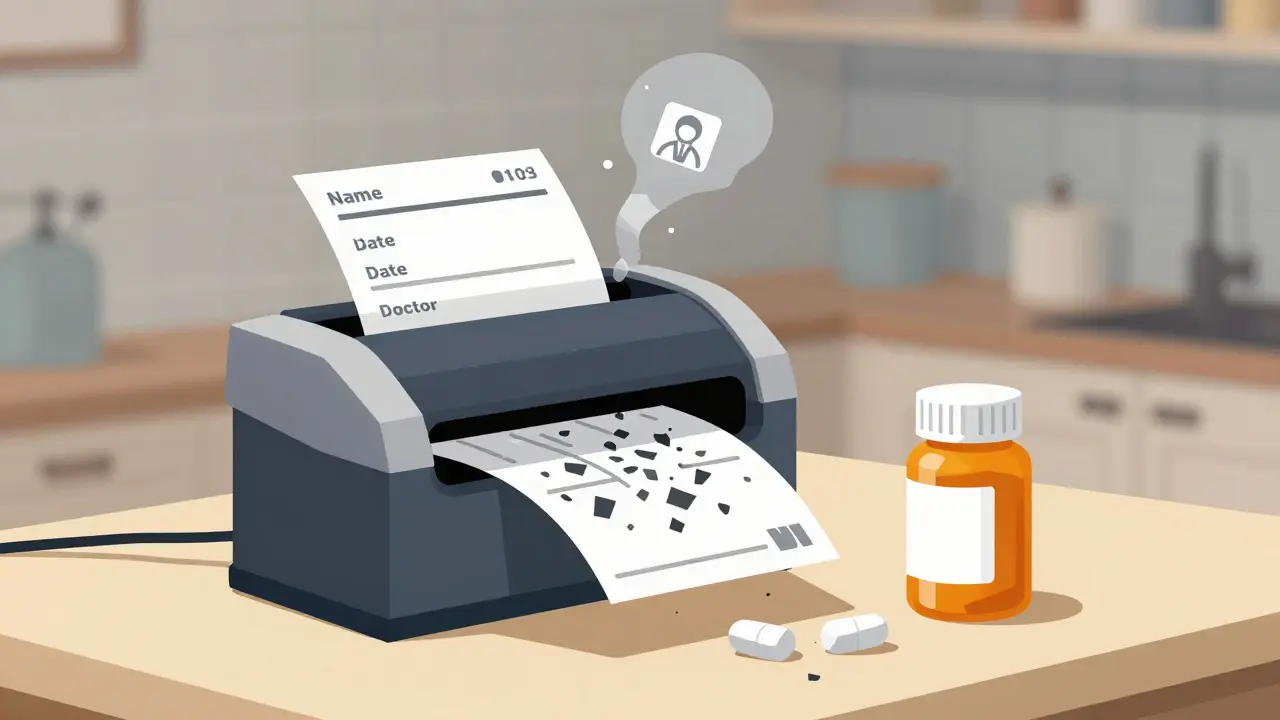
- Once the label is off, shred it with a cross-cut shredder. If you don’t have one, tear it into tiny pieces by hand-smaller than a postage stamp.
- Dispose of the shredded label in a different trash bag than the bottle.
This isn’t as convenient as the solvent method, but it works if you’re careful. The key is separating the label from the bottle before disposal. Never throw away the bottle with the label still on.
What About the Bottle Itself?
If you plan to reuse the bottle-for vitamins, travel pills, or organizing small items-clean it thoroughly after removing the label. Wash it with warm soapy water, then rinse. Let it dry upside down. The plastic is durable and safe for reuse as long as it’s not cracked or damaged. Many people use them for sewing kits, first aid supplies, or even as travel containers for supplements.If you’re not reusing it, crush the bottle slightly (so it can’t be refilled), then recycle it. Check your local recycling rules-some places accept #2 or #5 plastics. But only after the label is gone.
Pharmacies Are Starting to Help
Since 2020, major chains like CVS and Walgreens have installed label removal stations in their pharmacies. You can drop off empty bottles and they’ll remove the labels for you. Some even offer free disposal bags with absorbent material to mix with unused meds before throwing them away. Ask your pharmacist. If they don’t have a station, ask why-and push for one. Consumer demand is what’s driving this change.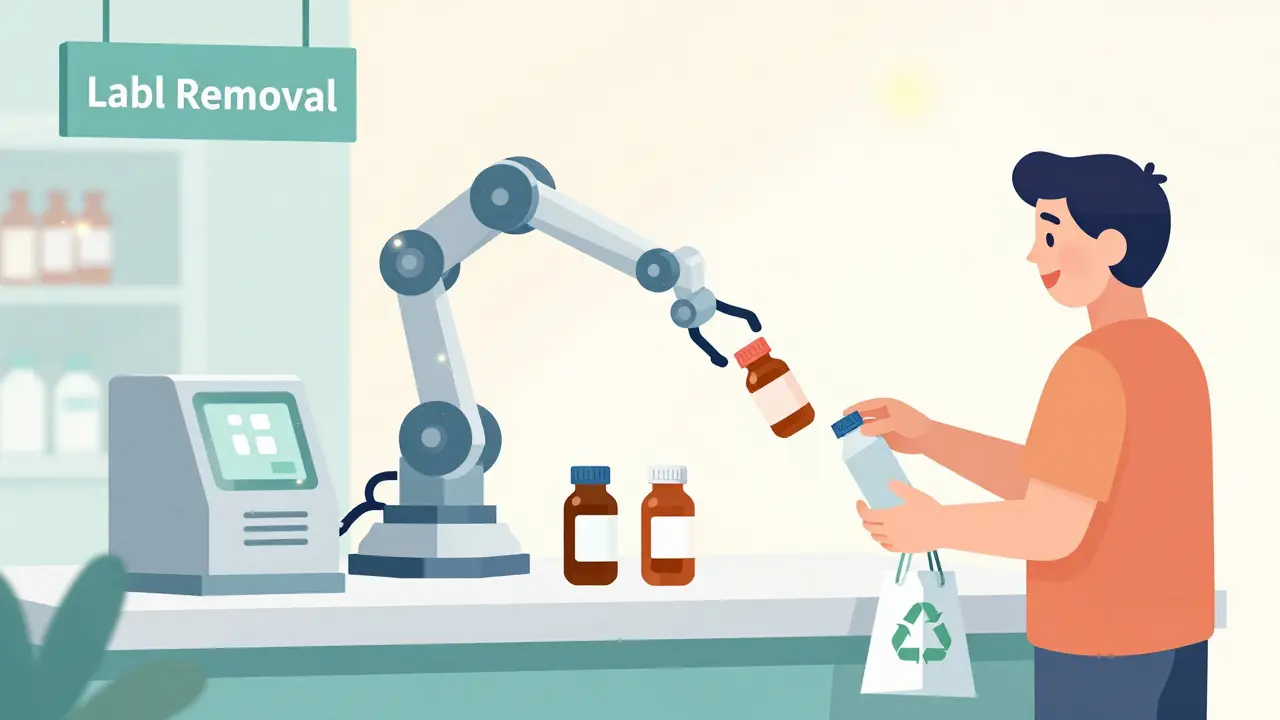
Timing Matters
Don’t wait. The longer you leave the label on the bottle, the higher the risk. CHOC’s data shows that delaying label removal by more than 24 hours increases the chance of identity theft by 40%. As soon as you’re done with the medication, deal with the bottle. Make it part of your routine-like washing your hands or brushing your teeth.What About the Medication Itself?
Don’t flush pills down the toilet. Don’t dump them in the sink. The FDA and DEA recommend mixing them with something unappetizing-like kitty litter, coffee grounds, or dirt-then sealing them in a plastic bag before tossing them in the trash. This prevents pets or kids from finding them and keeps them from leaching into water systems. Many communities also host Prescription Drug Take-Back Days. Check with your local police station or pharmacy for dates.Final Checklist: Your 5-Step Privacy Protocol
- Step 1: Empty the bottle. Mix leftover pills with kitty litter or coffee grounds in a sealed bag.
- Step 2: Remove the label using a solvent like Cleanup Solvent-22 (best) or peel it off with scissors and soak it in hot water.
- Step 3: Shred or tear the label into tiny pieces. Never throw it away whole.
- Step 4: Clean the bottle if reusing, or crush and recycle if not.
- Step 5: Do it within 24 hours of finishing the medication.
This isn’t just about privacy. It’s about control. Your medical data belongs to you-not to whoever finds your trash. Taking five minutes to remove a label could save you thousands and years of hassle.
Can I just throw away the whole pill bottle without removing the label?
No. Leaving the label on the bottle puts your personal information at risk. Identity thieves routinely go through trash looking for prescription labels to steal names, addresses, and medical conditions. Even if you think the bottle is empty, the label still holds sensitive data. Always remove or destroy the label before disposal.
Is using a permanent marker enough to hide my info?
Not reliably. While a black marker can obscure text, forensic tools, infrared light, or smartphone photo apps can often recover the original information. Studies show up to 63% of blacked-out labels still contain readable data. If you must use a marker, apply three thick layers and check under bright light. But chemical removal or shredding is far safer.
Where can I get a label removal solvent like Cleanup Solvent-22?
Cleanup Solvent-22 is available online through retailers like Amazon and Titan Labs’ website. It costs around $15 and lasts for dozens of bottles. Some pharmacies may carry it, but it’s not widely stocked in stores. If you can’t find it, use the manual removal method with scissors and hot water-just be sure to destroy the label completely.
Can I recycle the pill bottle after removing the label?
Yes, if the bottle is clean and made from recyclable plastic (usually #2 or #5). Rinse it out after removing the label and check your local recycling rules. Some areas require the cap to be removed. Never recycle a bottle with any label or residue still attached.
Do pharmacies offer label removal services?
Many major pharmacies like CVS and Walgreens now have label removal stations where you can drop off empty bottles and they’ll remove the labels for you. Ask at your local pharmacy. If they don’t have one, request it-consumer demand is what’s driving this change across the industry.
How quickly should I remove the label after finishing my medication?
Within 24 hours. Studies show that delaying label removal increases the risk of identity theft by 40%. Make it part of your routine-right after you finish the last pill, deal with the bottle. Don’t let it sit on the counter or in the medicine cabinet.



Alex Curran
I’ve been using rubbing alcohol and a paper towel for years. Works like a charm. Just spray, wait 10 seconds, wipe. No residue, no ghost text. No need to buy fancy solvents.
Also, if you’re recycling, rinse the bottle after. Plastic’s fine for #2 and #5. Just make sure the cap’s off.