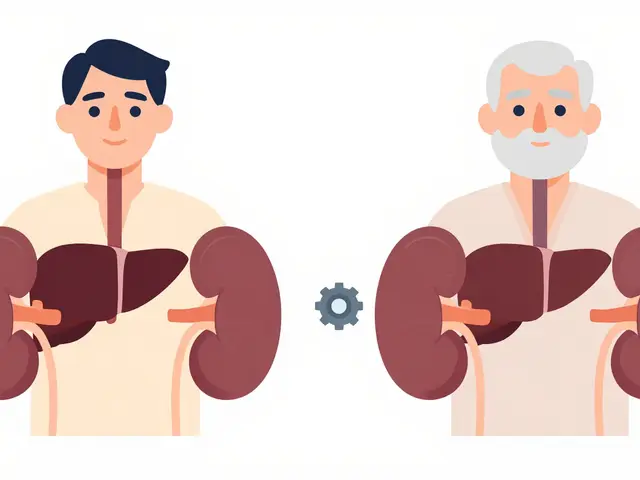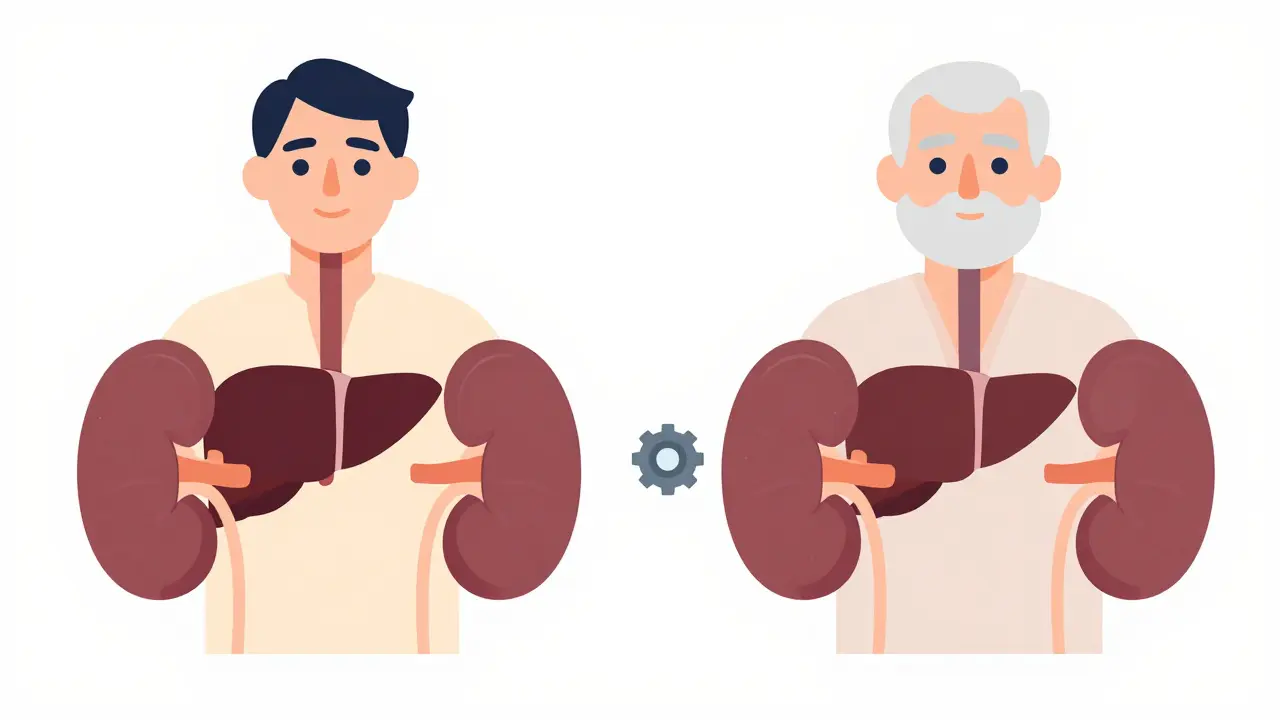
Have you ever wondered why a dose of medicine that worked perfectly ten years ago suddenly causes dizziness or confusion today? It isn't just "getting older" in a general sense. Your body is essentially a chemical processing plant, and as the years pass, the machinery-specifically your liver and kidneys-starts to slow down. When the machinery slows but the amount of fuel (the drug) stays the same, the system overflows. This is why senior medications often require a completely different strategy than the ones used for younger adults.
The core problem is that most clinical trials historically ignored people over 75. This created a dangerous gap where doctors were prescribing drugs based on how a 40-year-old reacts, even though a 75-year-old's body processes chemicals very differently. To fix this, medical professionals use a gold-standard rule: "start low and go slow." It sounds simple, but it's a precise science designed to prevent adverse drug events, which actually cause about 35% of hospital admissions for people over 65.
How Your Body Changes Its Relationship with Drugs
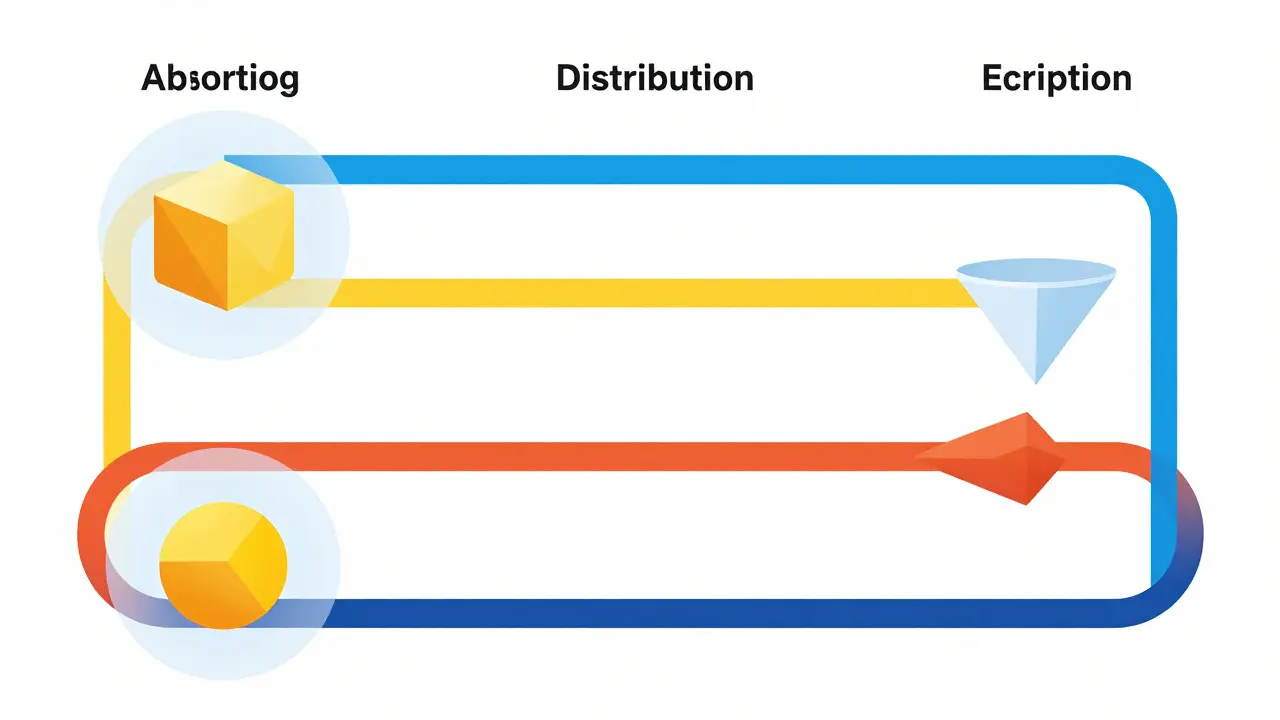
To understand why dosages change, we have to look at the four stages of how a drug moves through you. In medicine, this is called pharmacokinetics. As you age, every single one of these stages shifts.
First, there's absorption. Your stomach produces less acid and blood flow to your intestines drops. This can reduce drug absorption by 20% to 30%. While some drugs might take longer to kick in, others might not be absorbed enough to work at all.
Then comes distribution. This is where things get tricky. As we age, we tend to lose lean muscle and gain a higher percentage of body fat. This shift of 15% to 20% in body composition means that fat-soluble drugs stay in the system much longer, effectively "soaking" into the fat tissues and lingering in the body, which can lead to unexpected toxicity.
Metabolism and excretion are the heavy lifters. Your Liver is the primary filter for metabolism, and in older adults, hepatic clearance can drop by as much as 30% to 50%. Even more critical is the Kidney, which handles excretion. Creatinine clearance-the measure of how well your kidneys filter waste-drops by about 8 mL/min every decade after age 30. By the time someone hits 65, nearly 40% of them have a glomerular filtration rate (GFR) below 60, meaning their kidneys simply can't flush out medications as fast as they used to.
The Science of Dose Reduction
Doctors don't just guess when lowering a dose; they use specific formulas to determine how much a drug needs to be scaled back. For drugs that leave the body through the urine, the Cockcroft-Gault equation is the standard tool. It uses age, weight, and serum creatinine levels to estimate kidney function. If that number falls below 50 mL/min, a dose reduction is usually mandatory for renally eliminated drugs.
In practice, about 60% of all drugs need an adjustment for people over 65. On average, this means reducing the standard adult dose by 25% to 33%. For example, a drug like gabapentin might be started at 100-150mg for a senior instead of the 300mg usually given to a younger patient. Similarly, metformin, a common diabetes medication, is often reduced or completely stopped if the eGFR drops below 30, because the risk of lactic acidosis becomes too high.
| Medication Class | Primary Risk in Seniors | Typical Adjustment/Action |
|---|---|---|
| Benzodiazepines | 50% increase in fall risk | Reduce dose or switch to shorter-acting agents |
| NSAIDs (e.g., Ibuprofen) | 300% increase in GI bleeding | Avoid long-term use; use lowest effective dose |
| Anticoagulants (e.g., Warfarin) | High bleeding risk | 20-30% lower doses than standard adults |
| Anticholinergics | Doubled dementia risk | Avoid or strictly limit cumulative exposure |
Managing Polypharmacy and the "Prescription Cascade"
One of the biggest challenges is Polypharmacy, which is the concurrent use of multiple medications. More than half of U.S. adults over 65 take five or more prescription drugs at once. This creates a "cocktail effect" where drugs interact in ways that a single-drug study could never predict.
This often leads to a "prescription cascade." This happens when a side effect of one drug is mistaken for a new medical condition, leading the doctor to prescribe a second drug to treat the side effect of the first. For instance, a blood pressure medication might cause ankle swelling, and the patient is then prescribed a diuretic for the swelling. Now they are taking two drugs when they only needed one properly adjusted dose.
To fight this, experts use the Beers Criteria®. This is a biennial list of medications that are potentially inappropriate for older adults. It helps doctors identify high-risk drugs that should be avoided or replaced with safer alternatives. Another tool is the Medication Appropriateness Index (MAI), which helps clinicians score whether a patient's current drug regimen is actually helping or causing more harm than good.

Practical Steps for Safe Medication Use
If you are managing medications for yourself or a loved one, there are concrete ways to ensure the dosing is safe and effective. The most effective method is the "brown bag review." This is exactly what it sounds like: put every single pill bottle-including vitamins, herbal supplements, and over-the-counter creams-into a bag and take them to the doctor. Many seniors forget to mention a supplement they bought at a pharmacy, but that supplement could be interfering with how their kidney filters a life-saving medication.
You should also look for "functional age" rather than just chronological age. A 70-year-old who hikes every day has a different organ reserve than a 70-year-old who is bedridden. Doctors are starting to use tests like the Timed Up and Go (TUG) test. If it takes more than 12 seconds to stand up and walk a short distance, it indicates frailty, which may trigger a more conservative dosing approach.
Finally, lean on your pharmacist. Clinical pharmacists specializing in geriatrics can reduce medication errors by as much as 67%. They are the experts in how a drug interacts with both the body and other drugs. Ask them for a "medication therapy management" review to ensure your doses align with your current kidney and liver function.
Why is "start low and go slow" important for seniors?
Because aging organs process drugs more slowly, a standard dose can quickly build up to toxic levels in the bloodstream. Starting with a very low dose and increasing it gradually allows the doctor to find the lowest effective amount without causing severe side effects or toxicity.
How does kidney function affect drug dosage?
The kidneys filter many medications out of the blood. Since kidney function (measured by creatinine clearance) naturally declines with age, drugs can stay in the body much longer. If the dose isn't reduced, the drug accumulates, which can lead to overdose symptoms even if the patient is taking the "standard" dose.
What is the Beers Criteria®?
The Beers Criteria® is a widely recognized list of medications that are generally considered potentially inappropriate for older adults. It highlights drugs that have a higher risk of causing adverse effects (like falls or confusion) than they do therapeutic benefit in the elderly population.
Can supplements also require dose adjustments?
Yes. While not "prescriptions," supplements can interfere with how the liver metabolizes medications. For example, some herbal supplements can inhibit enzymes in the liver, making prescription drugs more potent and dangerous, or they can increase the risk of bleeding when taken with anticoagulants.
What should I do if I suspect my medication dose is too high?
Never stop or change your dose without consulting a provider. Instead, keep a log of new symptoms-like increased drowsiness or dizziness-and request a medication review. Ask your doctor specifically if your dose has been adjusted based on your most recent kidney and liver blood tests.
Next Steps for Safe Management
If you are currently managing a complex medication list, your first priority should be a comprehensive audit. Schedule a long appointment with your primary care physician specifically for a medication review, rather than trying to squeeze it into a standard 15-minute check-up. This ensures the doctor has time to calculate your current GFR and review the Beers Criteria® for every drug you take.
For those with multiple chronic conditions, consider a pharmacist-led titration program. Using tools like weekly blister packs can improve adherence and make it easier to spot when a dose is missed or doubled. If you notice a sudden change in cognitive function or balance, treat it as a potential medication side effect first and bring it to your healthcare provider immediately.