
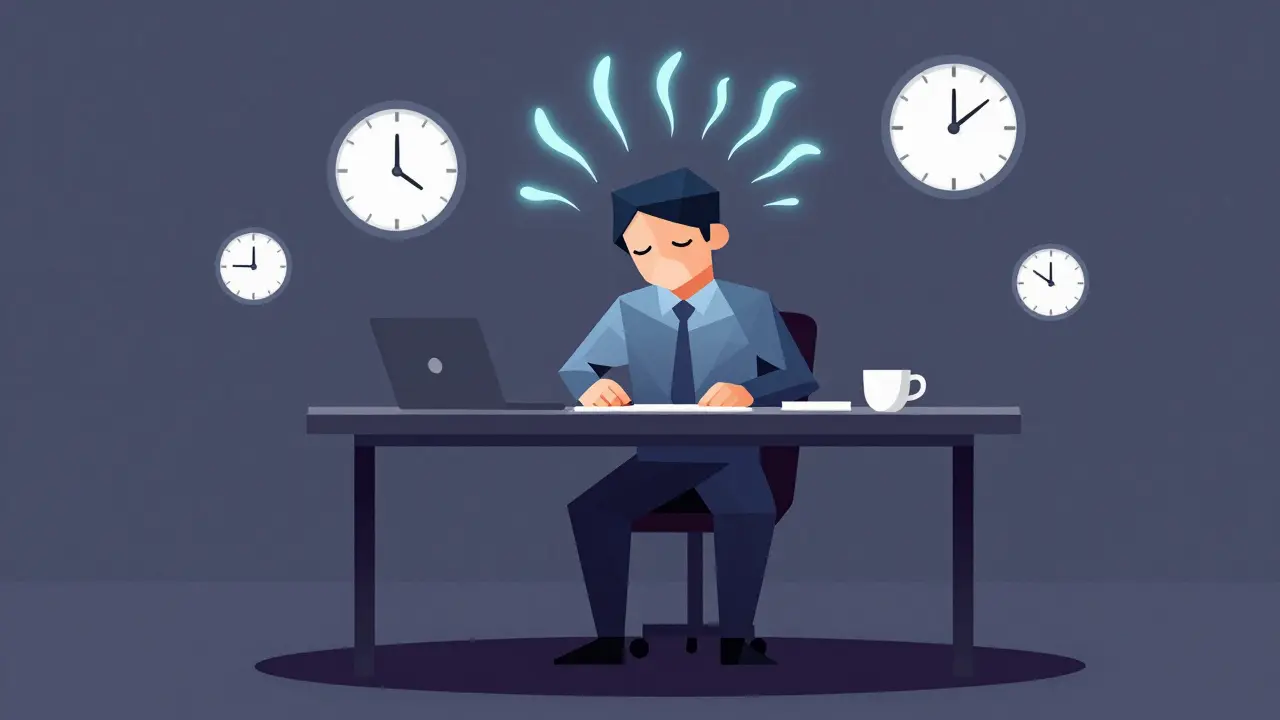
When you're exhausted after a full night's sleep and still can't stay awake during the day, it's not just laziness. For about 1 in 2,000 people, this is the reality of narcolepsy - a neurological disorder where the brain can't properly control sleep and wake cycles. Unlike normal tiredness, the sleepiness hits suddenly, without warning, and can't be shaken off with coffee or willpower. It’s not rare. It’s not imagined. And it’s treatable - but only if you understand what’s really happening inside the body.
What Narcolepsy Really Feels Like
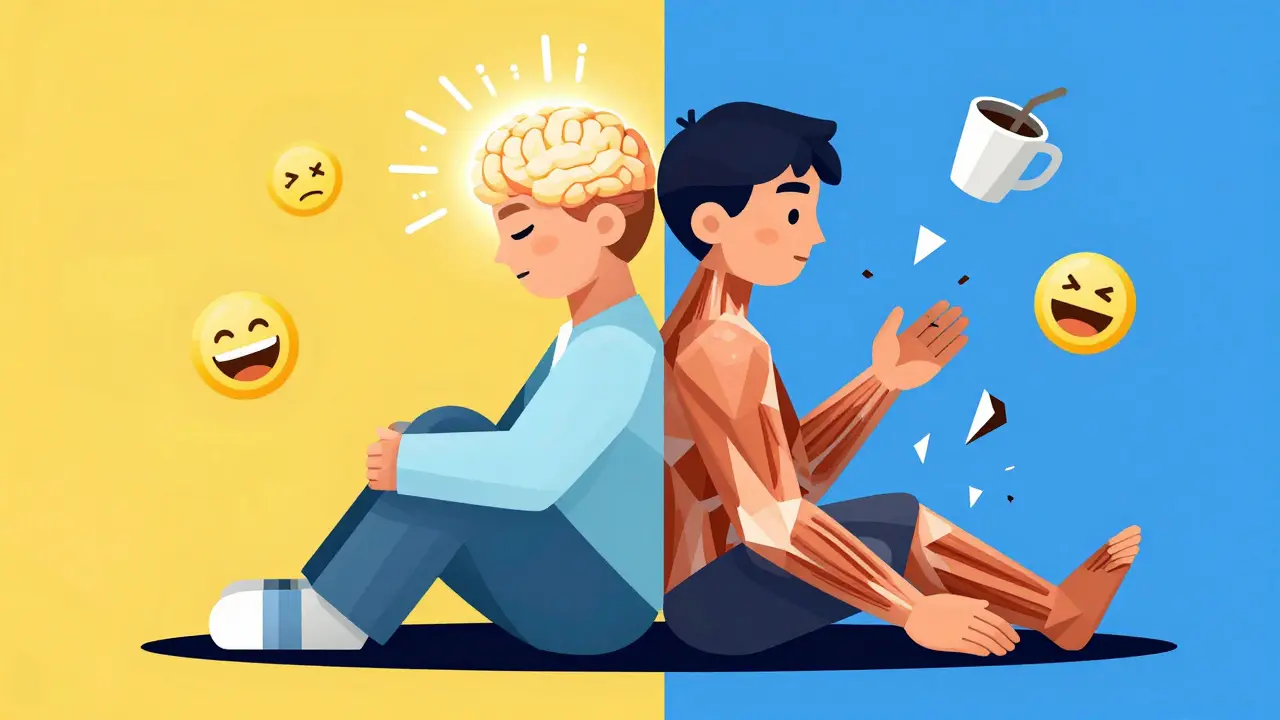
Most people think narcolepsy means falling asleep randomly in the middle of a meeting or while driving. That happens, but it’s only part of the story. The core symptom - excessive daytime sleepiness (EDS) - affects every single person with the condition. It’s not just feeling drowsy. It’s an overwhelming, irresistible urge to sleep that comes on multiple times a day, often lasting 15 to 30 minutes. Afterward, you might feel briefly refreshed, only to feel the pull again an hour later. This cycle repeats daily for months, sometimes years, before a diagnosis is made.Other symptoms are just as disruptive. About 70% of people with narcolepsy experience cataplexy - sudden muscle weakness triggered by strong emotions like laughter, surprise, or anger. You might drop your coffee cup, slump in your chair, or even collapse. Your mind stays awake, but your body shuts down for 30 seconds to two minutes. It’s terrifying, embarrassing, and isolating.
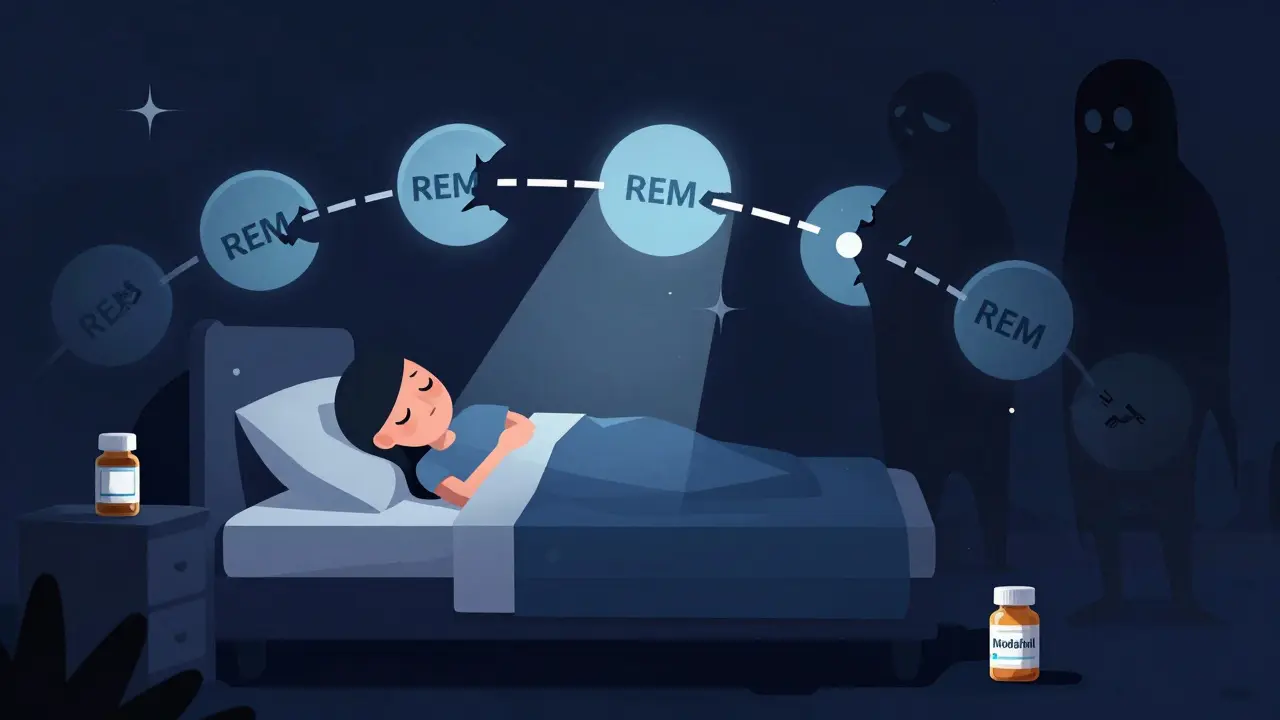
Nighttime sleep isn’t restful either. Eighty-five percent of patients wake up 4 to 6 times during the night, even if they spend 8 or more hours in bed. Sleep paralysis - the feeling of being awake but unable to move - hits 60% of people, usually when falling asleep or waking up. And 75% report vivid, frightening hallucinations as they drift in or out of sleep. These aren’t dreams. They’re full sensory experiences - voices, figures, pressure on the chest - that feel terrifyingly real.
Diagnosis: It’s Not Just a Sleep Test
Many people go years without a diagnosis because doctors assume they’re just tired, depressed, or not sleeping well. But narcolepsy has clear diagnostic rules. The American Academy of Sleep Medicine requires two things: either a Multiple Sleep Latency Test (MSLT) showing you fall asleep in under 8 minutes on average and enter REM sleep at least twice during daytime naps, or a spinal fluid test showing hypocretin-1 levels below 110 pg/mL.Hypocretin - also called orexin - is a brain chemical that keeps you awake. In Type 1 narcolepsy, the immune system mistakenly attacks the cells that make hypocretin. That’s why cataplexy and low hypocretin go together. Type 2 narcolepsy has the same sleepiness but no cataplexy and normal hypocretin levels. This distinction matters because treatment options differ.
Before the MSLT, you’ll spend a night in a sleep lab for a polysomnogram. This rules out sleep apnea, restless legs, or other disorders that mimic narcolepsy. Without this step, misdiagnosis is common. And because symptoms start between ages 10 and 30 - though 1 in 4 cases appear after 40 - many adults are written off as stressed or burned out.
Stimulants: The First-Line Treatment for Daytime Sleepiness
There’s no cure for narcolepsy yet. But stimulants are the most effective way to fight the crushing daytime sleepiness. They don’t fix the broken hypocretin system. They help your brain stay awake despite it.Modafinil (Provigil) is the most commonly prescribed. It works by boosting dopamine in the brain, which helps maintain alertness. Studies show 70% of users see a 5-point drop on the Epworth Sleepiness Scale - enough to go from barely functioning to holding down a job. It’s not a traditional stimulant like caffeine or amphetamines. It doesn’t cause jitters, crashes, or heart palpitations in most people. Doses start at 200 mg in the morning. If it’s not working after two weeks, doctors often increase to 400 mg.
Armodafinil (Nuvigil) is the longer-lasting version of modafinil. It stays active in your body for up to 15 hours, so you only need one dose per day. In clinical trials, 65% of users got their sleepiness score below 10 - the threshold for normal alertness - compared to just 32% on placebo. Many patients prefer it because it avoids the mid-afternoon slump that sometimes happens with modafinil.
Traditional stimulants like methylphenidate (Ritalin) and mixed amphetamine salts (Adderall) work faster and stronger. They’re often used when modafinil fails. About 80% of patients respond to them. But they come with risks. High blood pressure, fast heart rate, anxiety, appetite loss, and emotional numbness are common. One in five people stop taking them within a year because of side effects. The FDA warns that these drugs can trigger psychosis in rare cases - 0.03% of users, but still serious enough to require monitoring.
Choosing the Right Medication
There’s no one-size-fits-all. Your choice depends on your symptoms, your health, and your life.If you have mild to moderate sleepiness and no heart problems, modafinil is the safest first step. It’s generic now, so it costs around $400 a month - much cheaper than brand-name versions. Patients often say it gives them “clean energy” without the crash. But 41% report it loses effectiveness after 18 months. That’s called tolerance. Your brain adapts, and you need higher doses.
If your sleepiness is severe - your Epworth score is above 16 - traditional stimulants may be necessary. They’re more powerful. But they demand more monitoring. Your doctor should check your blood pressure and heart rate every 3 months. An ECG is recommended before starting, especially if you’re over 40 or have a family history of heart issues.
For people who can’t tolerate stimulants, newer options exist. Pitolisant (Wakix) boosts histamine in the brain, promoting wakefulness without affecting dopamine. It’s as effective as modafinil, with fewer cardiovascular risks. But it costs $850 a month. Solriamfetol (Sunosi) blocks dopamine and norepinephrine reuptake. It gives strong results - up to a 9.8-point drop in sleepiness - with low abuse potential. But it can raise blood pressure, so it’s not for people with uncontrolled hypertension.
What About Sodium Oxybate?
Sodium oxybate (Xyrem) isn’t a stimulant. It’s a sedative taken at night. It helps with cataplexy and improves nighttime sleep, which in turn reduces daytime sleepiness. About 85% of patients see fewer cataplexy attacks. It also gives a 5.8-point drop in ESS scores. But it’s tightly controlled. You need to take it in two doses - one at bedtime, one 2.5 to 4 hours later. It’s a Schedule III drug with a strict REMS program. You can’t pick it up at your local pharmacy. It’s shipped directly from a special pharmacy. And it contains sodium - up to 1.5 grams per night - which can be dangerous for people with heart or kidney disease.A new version, JZP-258 (lower-sodium oxybate), is expected to be approved by the end of 2024. It cuts sodium by 90%, making it safer and easier to tolerate. This could be a game-changer for many patients.
Real Lives, Real Challenges
Sarah Johnson, a 34-year-old teacher, went from an Epworth score of 18 to 6 after switching to armodafinil 250 mg. She could finally stay awake during class, grade papers after work, and play with her kids without falling asleep on the couch. She calls it life-changing.But not everyone has that outcome. On patient forums, the most common complaint isn’t side effects - it’s that stimulants stop working. One Reddit user wrote: “I was fine on modafinil for 3 years. Then one day, it just didn’t help anymore. I felt like I was back to square one.” That’s tolerance. It’s not addiction. It’s your brain adjusting.
Another big hurdle: insurance. Seven out of ten patients say getting approval for narcolepsy meds takes weeks. Some doctors won’t prescribe newer drugs unless you’ve tried and failed the older ones. That delays treatment and lets symptoms worsen.
What’s Next for Narcolepsy Treatment?
The future isn’t just better stimulants. Researchers are working on drugs that replace the missing hypocretin. TAK-994, an orexin receptor agonist, showed huge promise in trials - 7.9-point ESS reduction, minimal side effects. But development was paused in 2023 due to liver safety concerns. Still, it proves the concept: fixing the root cause is possible.Other paths include immunotherapy to stop the autoimmune attack on hypocretin cells, or even cell replacement therapies to rebuild the brain’s wake system. These are years away, but they’re no longer science fiction.
For now, the goal is managing symptoms so people can live full lives. That means finding the right stimulant, monitoring side effects, and adjusting as needed. It also means talking openly about narcolepsy - not as a joke, not as laziness, but as a real neurological condition that deserves real treatment.
Key Takeaways
- Narcolepsy isn’t just being tired - it’s a neurological disorder with five core symptoms, including uncontrollable daytime sleepiness and cataplexy.
- Diagnosis requires a sleep study (polysomnogram) and a multiple sleep latency test (MSLT), or a spinal fluid test for hypocretin.
- Modafinil and armodafinil are first-line treatments for daytime sleepiness, with good safety and moderate effectiveness.
- Traditional stimulants like Adderall work better for severe cases but carry higher risks of side effects and abuse.
- Sodium oxybate helps with cataplexy and nighttime sleep, but has strict access rules and high sodium content.
- Newer drugs like pitolisant and solriamfetol offer alternatives with different risk profiles.
- Stimulants don’t cure narcolepsy - they manage symptoms. Long-term monitoring is essential.
- Access to treatment is still a major barrier for many patients due to insurance delays and cost.
Frequently Asked Questions
Can narcolepsy be cured?
No, there is no cure yet. Narcolepsy is caused by the loss of hypocretin-producing brain cells, which doesn’t reverse. Current treatments manage symptoms but don’t restore the missing brain chemistry. Research is ongoing into disease-modifying therapies, including immunotherapy and cell replacement, but these are still experimental.
Do stimulants make narcolepsy worse over time?
They don’t make the disease worse, but your body can become tolerant to them. Many people find that after 1 to 2 years, the same dose doesn’t help as much. This isn’t addiction - it’s your brain adapting. The solution is usually a dose increase or switching to a different medication, not stopping treatment.
Is it safe to take stimulants long-term?
Modafinil and armodafinil are considered safe for long-term use in most people, with low risk of dependence or serious side effects. Traditional stimulants like Adderall carry higher risks - including elevated blood pressure, heart rate, and potential for abuse. Regular monitoring by a doctor is essential, especially for heart health and mental health.
Can I drive if I have narcolepsy?
Yes, but only if your sleepiness is well-controlled with treatment. Many people with narcolepsy drive safely after starting medication. However, some states require doctors to report diagnoses to the DMV. Never drive if you feel sleepy. Plan naps before long trips, and avoid driving during your usual sleep attack times.
Why do some people with narcolepsy gain weight?
It’s not the sleepiness itself. Many people with narcolepsy have a slower metabolism and reduced physical activity due to fatigue. Some medications, especially older stimulants, suppress appetite at first, but when they lose effectiveness, people often overeat. Also, low hypocretin levels affect how the body regulates energy and hunger. Weight gain is common, but it can be managed with diet, exercise, and sometimes switching medications.
Next Steps
If you think you might have narcolepsy, start by tracking your symptoms. Write down when you feel sleepy, how long it lasts, and if strong emotions trigger muscle weakness. Bring this log to a sleep specialist. Don’t wait for a diagnosis - the average time from first symptom to diagnosis is 10 years. The sooner you start treatment, the better your quality of life.
If you’re already on medication and it’s not working, talk to your doctor about switching or adding another drug. Don’t stop on your own. And if you’re struggling with insurance or cost, reach out to the Narcolepsy Network. They offer patient assistance programs and help navigating coverage.
Narcolepsy doesn’t define you. With the right treatment, people live full lives - as teachers, engineers, parents, artists. You just need the right tools, the right support, and the right information.



SWAPNIL SIDAM
This hit me hard. I thought I was just lazy until my sister said, 'You're not tired-you're falling asleep in the middle of sentences.' Now I know it's narcolepsy. No more guilt.
Just started modafinil. First day, I stayed awake during my kid's school play. I cried.
Thank you for writing this.