
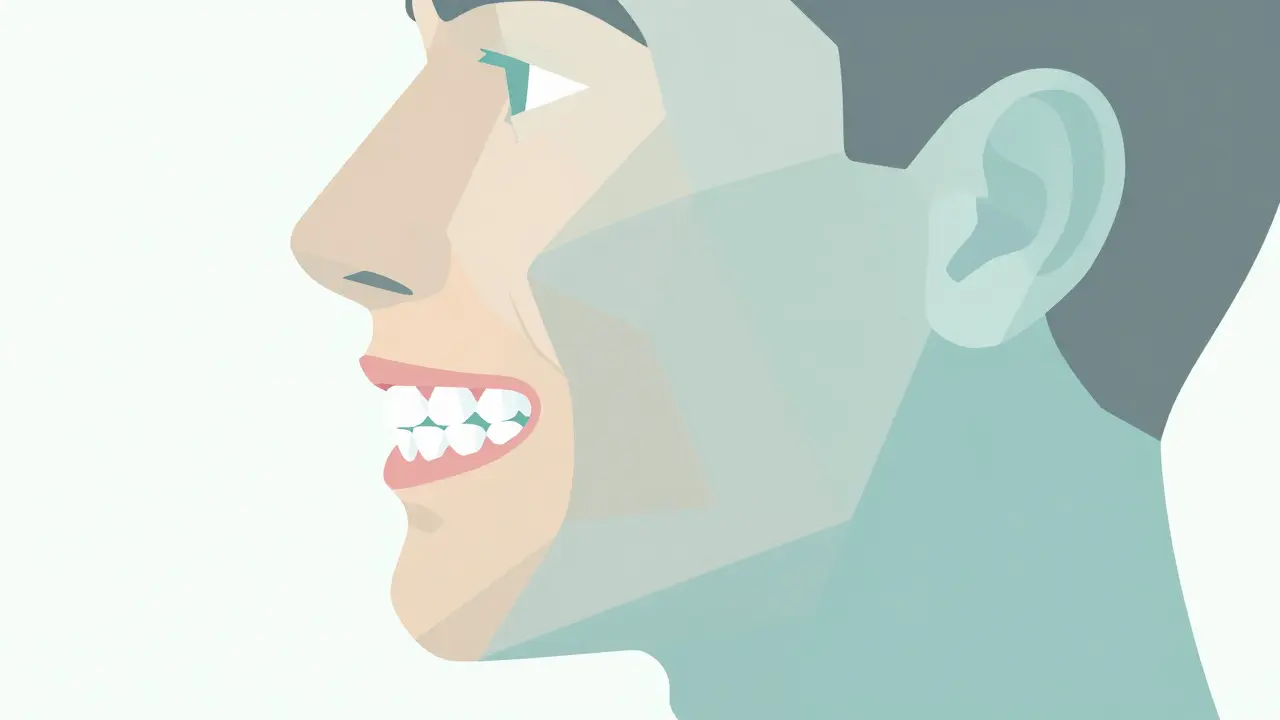
Does your partner wake you up every night complaining about noise? Or maybe you catch yourself on video playing a symphony of grunts and snores while you sleep? You aren't alone. Chronic snoring isn't just annoying; it signals airway issues that affect sleep quality and heart health. While CPAP machines get all the glory, there's a smaller, quieter contender taking over bedrooms worldwide.
We're talking about oral appliances. specifically designed to move your jaw forward. These devices have evolved from simple plastic splints into sophisticated medical tools backed by decades of clinical research. If you want to stop snoring without wearing a mask and hose to bed, this guide explains exactly how mandibular advancement therapy works.
What Exactly Is a Mandibular Advancement Device?
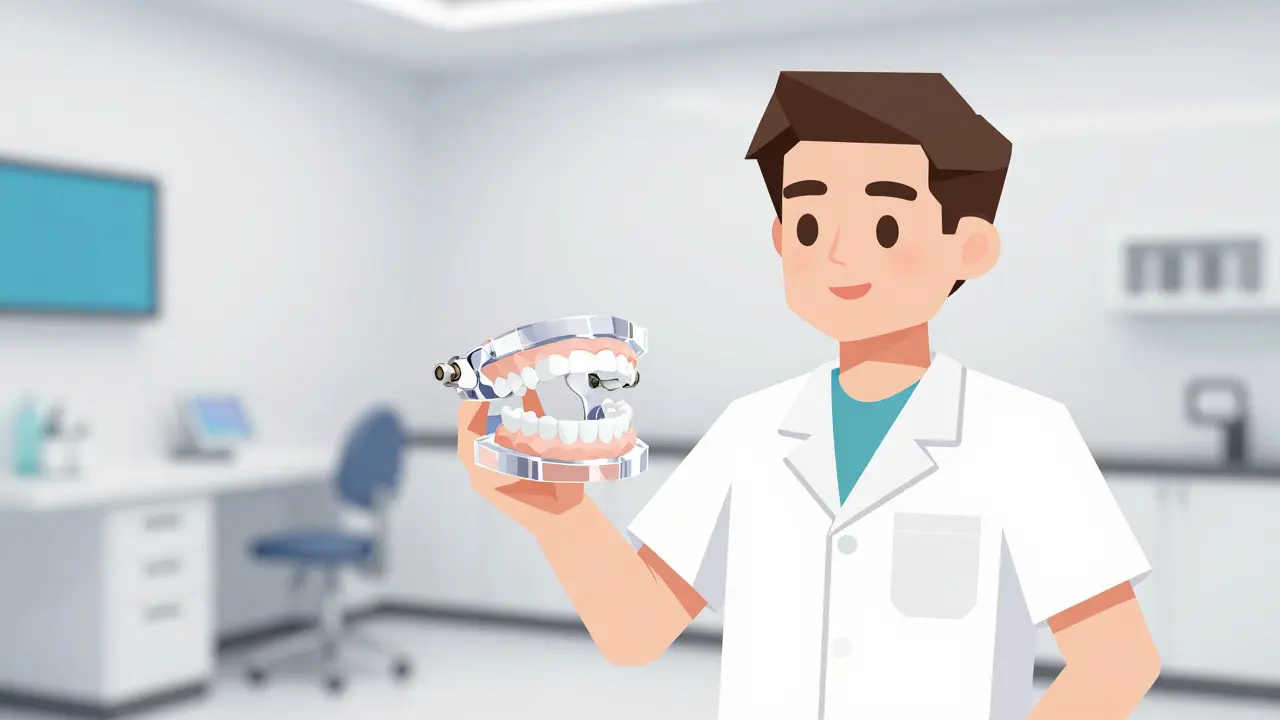
You might hear this called "OAT" or "MAD". It sounds technical, but the concept is straightforward. Your lower jaw slides backward when you relax during sleep, causing the soft tissue in your throat to collapse and vibrate-that vibration is what we hear as snoring. An oral appliance prevents this collapse by holding your jaw slightly forward.
A Mandibular Advancement Device is a specialized dental appliance designed to treat primary snoring and mild obstructive sleep apnea. It functions by repositioning the lower jaw anteriorly during sleep. Key characteristics include custom-fitted design, adjustable titration mechanisms, and usage of semi-rigid acrylic materials. Developed from orthodontic principles, modern devices were formally recognized by sleep medicine associations in 2006 as effective non-invasive therapy.
This mechanism keeps your airway open physically, unlike nasal strips which just try to widen the nostrils. Think of it as building scaffolding inside your mouth so the roof doesn't cave in. Studies show this reduces snoring intensity by 50% to 75% in users who wear them consistently. The American Academy of Sleep Medicine officially acknowledges these devices as a first-line alternative for people who can't tolerate the pressure of CPAP therapy.
How the Biomechanics Actually Work
It isn't magic; it's engineering. Most high-quality devices allow you to adjust how far the jaw moves. We measure this in millimeters. Research led by Dr. Nobuyoshi Kato back in 1999 established something critical: more movement usually equals better results, but only up to a point. He found a dose-dependent relationship where advancing the jaw by 2mm, 4mm, or 6mm progressively lowered sleep apnea scores.
Today's best devices let you fine-tune this. Instead of guessing, a specialist will start you at a minimal setting and gradually increase the protrusion-often by 0.5mm increments-until the snoring stops without hurting your jaw. This process is called titration. Current data suggests that optimal reduction happens around 75% of your maximum comfortable protrusion, which is typically 8mm to 10mm.
Materials matter too. Cheaper versions use thermoplastics that soften in hot water, letting you mold them at home. However, custom-made options use semi-rigid acrylic (polymethyl methacrylate) with metal connectors. The difference is precision. A custom device fits your bite perfectly, whereas boil-and-bite kits often slip, leading to less effectiveness and discomfort.
Is It Right For You? Suitability and Limitations
Not everyone qualifies for this treatment. While it sounds great to avoid a machine, anatomical factors play a huge role in success. Generally, you need healthy teeth. Since the device grips your molars, you need at least 6 to 8 natural teeth per arch to anchor it securely. If you wear dentures or lack sufficient enamel, the device won't hold.
Your jaw joint health is another factor. The Temporomandibular Joint connects your jaw to your skull. If you already have severe TMJ pain, clicking, or instability, pushing your jaw forward could make things worse. Around 12.7% of adults are screened out because of these dental or joint issues. Additionally, if you have severe obesity or complex airway anatomy where the collapse happens higher up in the throat, an oral appliance simply cannot reach the problem.
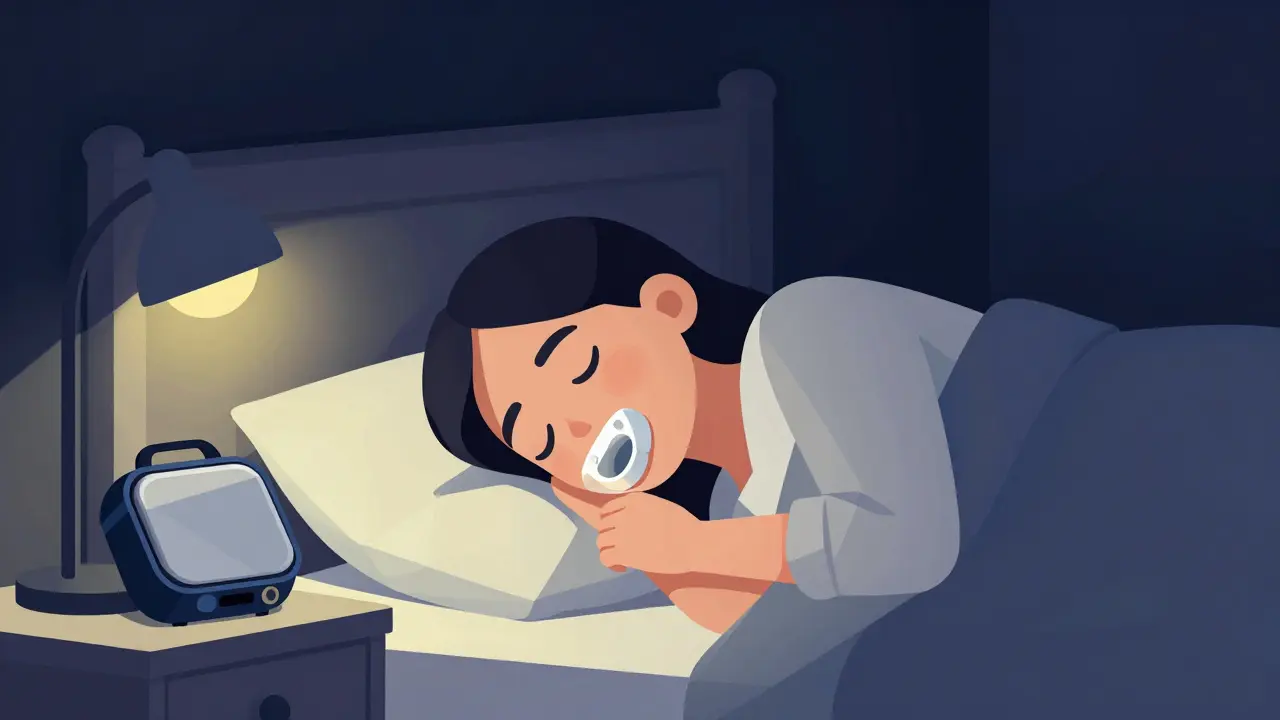
Custom Devices vs. Over-The-Counter Solutions
Walk into any pharmacy, and you'll see small tubes promising to fix snoring overnight for under $100. They look tempting, but does the science support them? A meta-analysis highlighted a significant gap between prescription and retail options. Custom titratable devices achieved a 72.3% reduction in snoring symptoms compared to just 48.6% for non-custom alternatives. Why? Because they fit.
| Feature | Custom Prescribed (e.g., SomnoDent) | Over-the-Counter (e.g., Zyppah) |
|---|---|---|
| Precision | High: Based on 3D scans/impressions | Low: Heat-molded by user |
| Titratable | Yes: Adjustable in 0.5mm steps | No: Fixed advancement |
| Average Cost | $1,800 - $2,500 USD | $50 - $150 USD |
| Snoring Reduction | ~72% | ~48% |
| Dental Monitoring | Included via Specialist | None |
The price tag for custom work reflects the hours a dental technician spends crafting the fit and the specialist visits needed to program it. But consider the cost of a bad sleep solution. If a cheaper device doesn't reduce your snoring effectively, your sleep quality remains poor, and you haven't actually solved the problem.
The Reality of Side Effects and Long-Term Safety
People love these devices, but honesty is required here. Putting a foreign object in your mouth for eight hours every night affects biology. Some side effects are temporary. Morning drooling is extremely common-around 42.7% of new users report excessive salivation. Your jaw muscles also feel sore initially. About two-thirds of users experience morning jaw pain during the first few weeks of use. This is normal muscle fatigue, much like starting a gym routine.
The bigger concern is permanent change. Teeth shift when pushed constantly. Dr. Avram Gold warns that approximately 25% of long-term users develop irreversible occlusal changes, meaning their bite aligns differently than before treatment. Some patients eventually need braces or other corrections to fix their smile years later. To mitigate this, specialists recommend a specific acclimatization period where you wear the device during the day first to toughen your muscles before trying it for sleep.
Furthermore, the effect stops immediately when you stop using it. Unlike surgery or weight loss, if you skip a night, the airway collapses again. One longitudinal study noted that snoring returns within 48 hours of discontinuation. It requires lifelong commitment.
Fitting Process and What to Expect
Getting a proper device isn't like buying shoes online. A typical protocol starts with ruling out severe sleep apnea. You likely need a sleep study to ensure you don't need urgent CPAP intervention first. Once cleared, you visit a dental sleep specialist. They take digital scans or molds of your teeth.
The lab creates the appliance using your measurements. When you pick it up, you aren't done yet. There is a 4 to 6-week titration window. The doctor might ask you to come in weekly to turn a screw slightly, advancing the jaw by a millimeter until you hit that sweet spot. Follow-up appointments usually run $150 to $300 each. It's an investment of time and money, but the result is tailored comfort. Most users achieve consistent nightly wear by day 30.
Cost Analysis and Insurance Landscape
Budgeting is a major hurdle. In the US market, custom devices average between $1,800 and $2,500, though Australian private health funds may offer different rebates depending on your policy level. Insurance coverage is patchy. Only about 38% of commercial plans cover the full cost for primary snoring treatments. Often, insurance requires a diagnosis of Obstructive Sleep Apnea (OSA) rather than just snoring.
If you pay out-of-pocket, you are essentially leasing a solution. The device lasts about 3 to 5 years before material degrades or teeth change shape enough to require replacement. Factor in cleaning solutions, repairs, and annual dental check-ups. It's not cheap, but for many, beating the noise and reclaiming sleep is worth the expense. Portability is a hidden perk-you can take this anywhere. No power cords, no noise.
Comparative Efficacy Against Other Treatments
How does this stack up against other methods? Positional therapy (wearing a vest to keep you off your back) reduces snoring by about 35%, but only if your snoring happens strictly on your back. Nasal dilators help airflow slightly, cutting noise by roughly 20%. CPAP, the gold standard, stops snoring completely in 85% of cases.
However, CPAP has a massive adoption problem. Roughly half of patients stop using CPAP after a year due to claustrophobia or skin irritation. MADs boast superior adherence rates of 76.4%. Even though they might be slightly less effective clinically, the fact that people actually wear them makes them a highly valuable tool in practice. The trade-off is clear: CPAP treats the severity best, MADs win on compliance.
Choosing a Specialist
Not all dentists know how to do this. Look for membership in organizations like the Australian Dental College of Sleep Medicine or equivalents in your region. A regular dentist might make the appliance, but a sleep specialist knows how to adjust it for airway patency, not just a tight fit. Ask about their volume of cases and if they coordinate with your medical doctor for ongoing monitoring.
Do oral appliances cure snoring permanently?
No. They manage the symptom while you use them. If you stop wearing the device, your jaw returns to its resting position, and the airway obstruction occurs again, typically bringing snoring back within two days.
Will an oral appliance hurt my teeth?
Long-term use can shift tooth positions. About 25% of users may experience irreversible bite changes requiring dental correction years later. Regular dental check-ups are essential to monitor this.
Can I buy a mandibular advancement device online?
Yes, over-the-counter models exist, but they generally perform worse (around 48% effectiveness) than custom medical-grade devices (72%+). Online versions lack professional fitting and monitoring for safety.
How long does it take to get used to the device?
Most users adapt within 10 to 14 days. Experts recommend daytime wear for acclimatization to reduce initial jaw pain and muscle fatigue during the adjustment period.
Is this better than CPAP for mild sleep apnea?
For mild to moderate cases, yes. Guidelines position MADs as a viable first-line option, especially since patient compliance is significantly higher than with CPAP machines over a 12-month period.



Tony Yorke
Custom devices are definitely worth the price tag compared to the garbage stuff.