
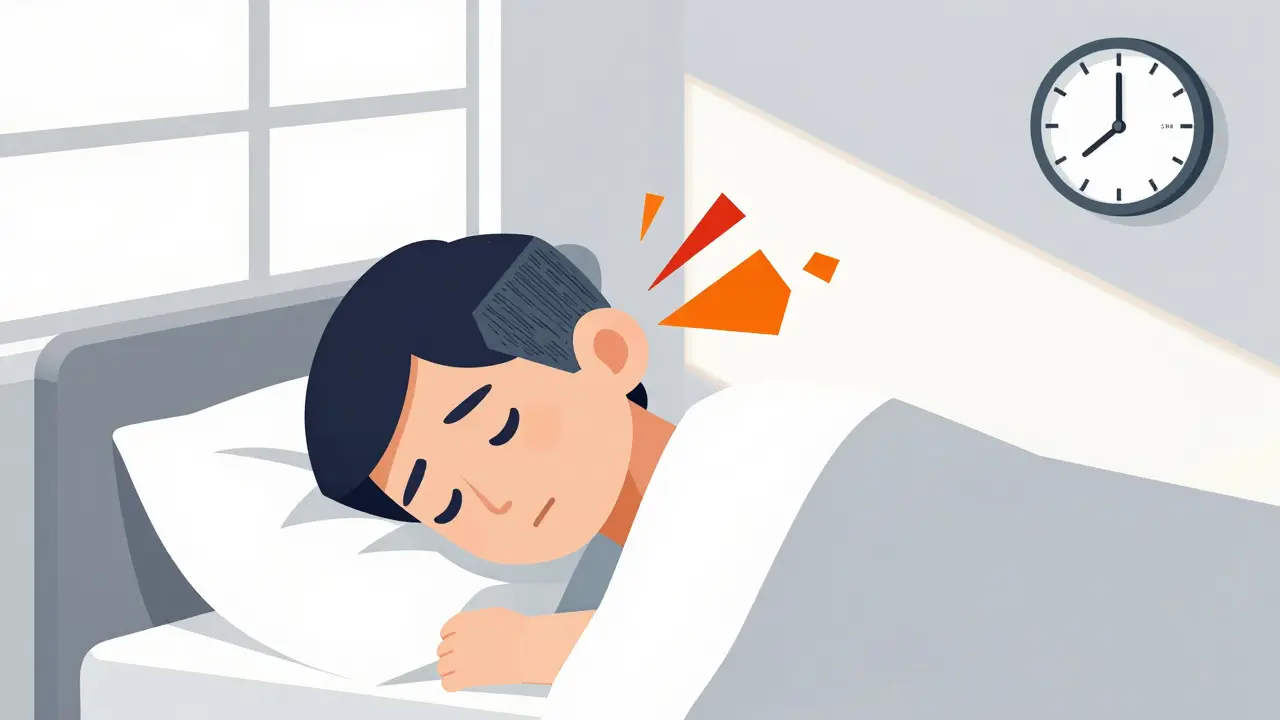
Imagine waking up one morning and your left ear is completely muffled-like someone stuck cotton in it overnight. No pain. No dizziness. Just silence where sound used to be. That’s sudden sensorineural hearing loss (SSNHL). It doesn’t come with a warning. And if you wait too long to act, the chance to get your hearing back drops fast.
What Exactly Is Sudden Sensorineural Hearing Loss?
SSNHL isn’t just earwax or a cold. It’s a rapid, unexplained drop in hearing-usually over hours or days-caused by damage to the inner ear or the nerve that connects it to your brain. Doctors define it as a loss of at least 30 decibels across three connected hearing frequencies, happening within 72 hours. That’s like going from normal conversation to whispering in the same room.
It affects 5 to 27 people per 100,000 each year in the U.S., mostly between ages 50 and 60, but it can hit anyone-even kids. About one in three people will recover some hearing on their own, but that leaves two-thirds at risk of permanent damage. The key? Acting fast.
Why Steroids Are the Only Proven Treatment
Doctors don’t know exactly what causes SSNHL in most cases. It might be a virus, a blood flow issue, or an immune reaction. But here’s what they do know: steroids work. High-dose corticosteroids reduce inflammation, calm down the immune system, and may help restore blood flow to the inner ear.
Oral steroids-like Prednisone-are the first-line treatment. The standard dose is 1 mg per kilogram of body weight, capped at 60 mg per day, taken as a single morning dose for 7 to 14 days, then slowly tapered off. Dexamethasone is another option; it’s stronger and lasts longer in the body, but both drugs have similar success rates.
Studies show that people who start steroids within two weeks of hearing loss have a 61% chance of significant recovery. If you wait more than four weeks, that number crashes to 19%. After six weeks, steroids rarely help at all. Every hour matters.
What If Oral Steroids Don’t Work?
Not everyone responds to pills. About 40% of patients don’t fully recover with oral steroids alone. That’s where intratympanic (IT) steroid injections come in.
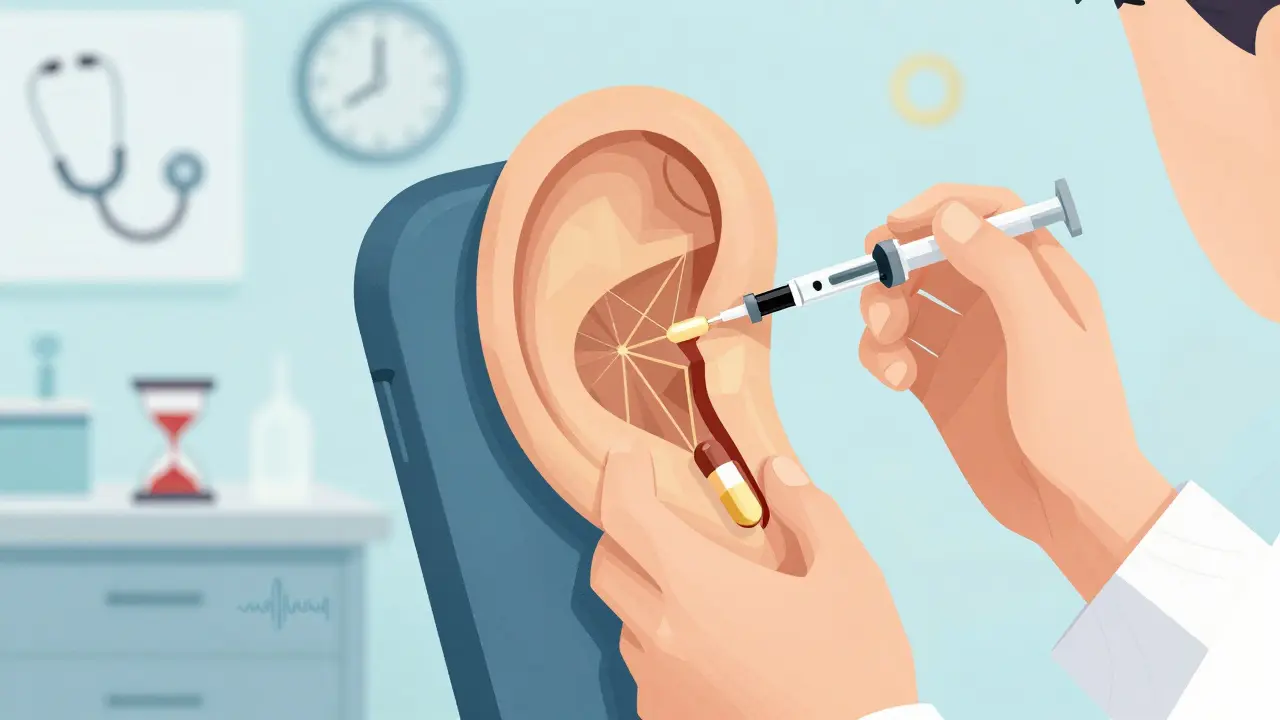
This procedure involves injecting a concentrated dose of Dexamethasone directly into the middle ear, through the eardrum. The medication seeps into the inner ear without flooding your whole body. It’s done in a doctor’s office under local numbing. Patients report it’s uncomfortable-like a sharp pinch-but not unbearable.
For those who’ve already tried oral steroids and still have hearing loss after 2 to 6 weeks, IT injections boost recovery rates to 42-65%. It’s not a magic fix, but it’s often the last shot before permanent damage sets in.
What Doesn’t Work (And Why You Should Avoid It)
There’s a lot of noise out there. You might hear about antivirals, blood thinners, or hyperbaric oxygen therapy as “miracle cures.” But here’s the truth: multiple large studies have shown these don’t help more than a placebo.
Antivirals? No benefit. Thrombolytics? No benefit. Hyperbaric oxygen? Maybe a tiny boost-6 to 12% extra recovery-but it’s expensive ($200-$1,200 per session), hard to access, and only works if done within 28 days. Most hospitals don’t even have the equipment.
Stick to the science. Steroids are the only treatment backed by solid evidence. Everything else is a distraction-and a waste of time.
The Real Cost of Waiting
People delay for all kinds of reasons. They think it’s an ear infection. They wait to see if it gets better. They don’t know where to go. But delays are deadly for hearing.
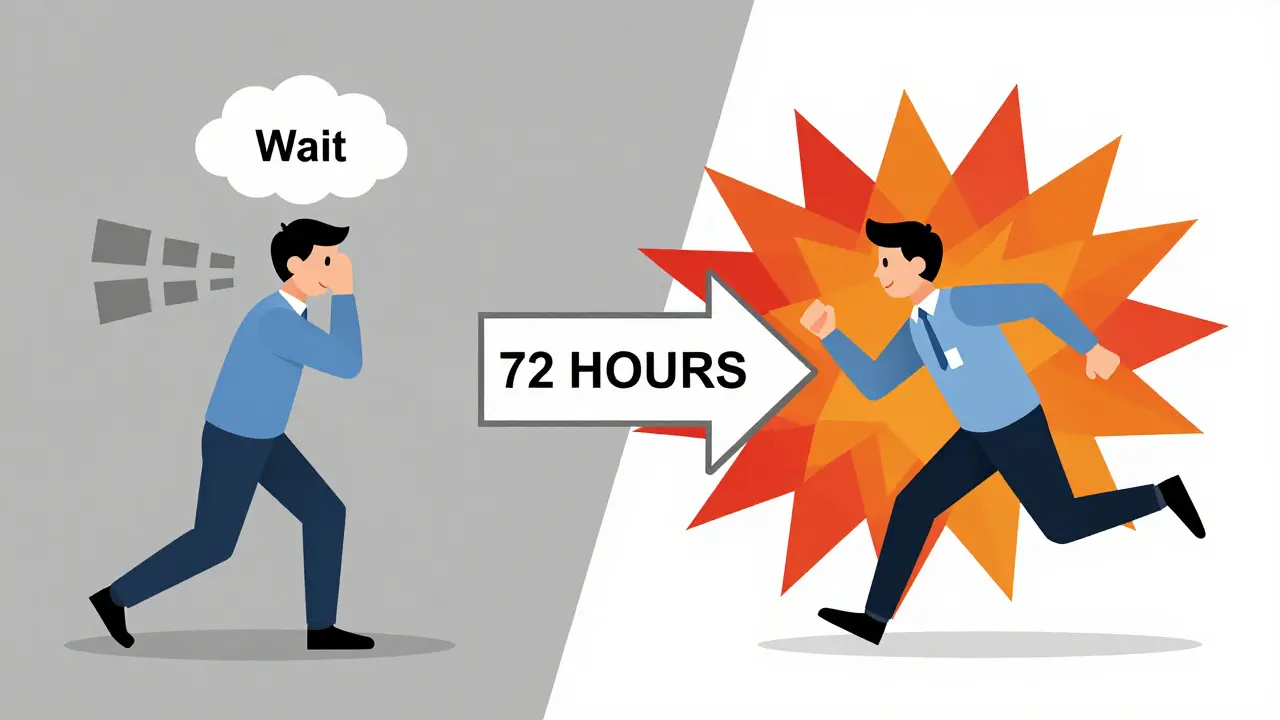
A 2023 patient survey of 476 people found that 43% of those with poor outcomes waited more than 72 hours to get help. On Reddit, users who started steroids within 48 hours reported 90%+ recovery. Those who waited a week? Often ended up with permanent hearing loss.
Primary care doctors can screen for SSNHL in minutes using simple tests like the Weber and Rinne tuning fork tests. If hearing loss is confirmed, they should refer you immediately for an audiogram. That’s the gold standard for diagnosis. Don’t wait for an ENT appointment if your doctor doesn’t act fast.
Side Effects: What to Expect
Steroids aren’t harmless. Taking 60 mg of Prednisone daily for two weeks can cause side effects:
- Insomnia (41% of users)
- Weight gain (average 4.7 kg)
- Mood swings or anxiety (22%)
- High blood sugar (28% in diabetics)
- Stomach upset (18%)
Some people need acid-reducing meds like omeprazole to protect their stomach. Diabetics need to check blood sugar more often. But here’s the trade-off: the risk of permanent deafness is far worse than these temporary side effects.
For those who can’t take oral steroids-because of diabetes, high blood pressure, or mental health conditions-intratympanic injections are a safer alternative. They avoid the systemic effects entirely.
What Happens After Treatment?
Recovery isn’t instant. Hearing can improve over weeks or even months. You’ll need follow-up audiograms-at the end of treatment and again at six months-to track progress.
Doctors who skip these follow-ups are more likely to face malpractice claims. That’s not because they’re negligent-it’s because SSNHL is so unpredictable. Without documentation, it’s impossible to prove you did everything right.
Some people recover fully. Others get partial improvement. A small number lose hearing permanently. That’s why early treatment is non-negotiable.
The Bigger Picture: Why This Isn’t Just About Hearing
Sudden hearing loss isn’t just a medical issue-it’s a life-altering one. People report feeling isolated, anxious, and even depressed when they lose hearing suddenly. Relationships suffer. Work gets harder. You start missing jokes, phone calls, your kid’s laughter.
That’s why experts like Dr. Robert J. Stachler say, “Every hour counts.” The goal isn’t just to restore decibels. It’s to restore connection.
And while the evidence for steroids isn’t perfect-some critics say the studies are weak-the risk of doing nothing is too high. The American Neurotology Society found 89% of ENTs use steroids as first-line treatment. That’s not a coincidence. It’s experience.
What’s Next for SSNHL Treatment?
Research is moving toward personalization. Scientists are studying blood markers that might predict who will respond to steroids. Clinical trials are underway to see if we can match patients to the right treatment before they even start.
For now, though, the answer is simple: if your hearing drops suddenly, see a doctor within 72 hours. Get steroids. Don’t wait. Don’t Google. Don’t hope it gets better.
Your ears won’t tell you when it’s too late. But your hearing will.
Can sudden hearing loss fix itself without treatment?
About one in three people recover some hearing on their own, but that means two out of three don’t. Waiting increases the risk of permanent damage. Steroid treatment doubles your chances of recovery, especially if started within the first week.
Is it safe to take steroids for sudden hearing loss?
For most people, yes. The short-term use of oral steroids (7-14 days) carries manageable risks like insomnia, weight gain, or elevated blood sugar. For those with diabetes or psychiatric conditions, intratympanic injections offer a safer alternative without systemic side effects. The risks of untreated hearing loss far outweigh the side effects.
How do I know if I have sudden sensorineural hearing loss?
Signs include sudden muffled hearing in one ear, ringing, or a feeling of fullness-often noticed upon waking. You might feel like your ear is stuffed. If you suspect SSNHL, don’t wait. See a doctor immediately. A tuning fork test or urgent audiogram can confirm it in minutes.
Can I use over-the-counter ear drops or antibiotics?
No. SSNHL isn’t caused by infection or earwax. Ear drops and antibiotics won’t help and may delay real treatment. Only steroids have proven benefit. Don’t waste time on treatments that don’t work.
What if I can’t afford steroid treatment?
Prednisone is a generic drug and costs as little as $5-$15 for a full course. Intratympanic injections are more expensive, but many insurance plans cover them if you’ve already tried oral steroids. If cost is a barrier, ask your doctor about patient assistance programs or hospital financial aid. Your hearing is worth fighting for.
Can I get hyperbaric oxygen therapy instead of steroids?
Hyperbaric oxygen therapy may add a small benefit when combined with steroids-but only if done within 28 days. It’s not a replacement. Most hospitals don’t offer it, and it’s expensive. Steroids remain the only proven first-line treatment. Don’t choose HBOT over steroids.
How long does it take to recover hearing after starting steroids?
Recovery varies. Some notice improvement within days. Others take weeks or months. The first two weeks are critical. You’ll need follow-up hearing tests at the end of treatment and again at six months to track progress. Don’t assume you’re fully recovered just because you feel better.



Sidra Khan
This post is basically a steroid ad disguised as medical advice. I had SSNHL and didn't take steroids-just waited it out. My hearing came back 80% in three weeks. Turns out, your body can heal itself if you stop panicking and stop swallowing pharmaceutical propaganda.