
Why generic drugs save you money without sacrificing quality
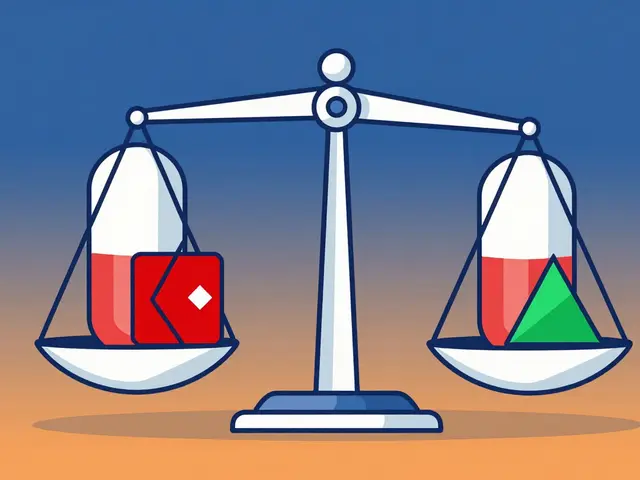
Generic drugs are pharmaceutical products containing identical active ingredients as brand-name drugs, manufactured to identical standards of dosage form, strength, route of administration, quality, performance characteristics, and intended use, but sold at substantially lower prices after patent expiration. The modern generic drug industry in the United States was formally established by the Hatch-Waxman Act (Drug Price Competition and Patent Term Restoration Act), signed into law by President Ronald Reagan on September 24, 1984, creating the Abbreviated New Drug Application (ANDA) pathway that allowed generic manufacturers to demonstrate bioequivalence rather than repeating costly clinical trials. As of 2024, generic and biosimilar medicines comprised 90 percent of all prescriptions filled in the United States but accounted for only 12 percent of prescription spending, according to the Association for Accessible Medicines (AAM) 2025 Generic and Biosimilar Medicines Savings Report. Americans spent $98 billion filling 3.9 billion generic prescriptions compared to $700 billion for just 435 million brand drug scripts.
How FDA ensures generic drugs are as safe and effective as brand-name drugs
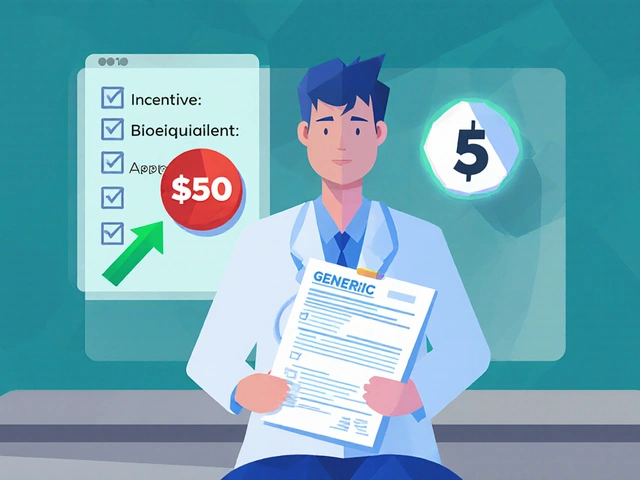
The FDA requires generic drugs to demonstrate bioequivalence to their brand-name counterparts. This means they must deliver the same amount of active ingredient in the same timeframe with pharmacokinetic parameters within 80-125% of the brand-name product's performance. This standard ensures therapeutic equivalence while costing 79-85% less according to FDA estimates cited in AccessibleMeds' 2025 video report and corroborated by Tebra's January 2025 survey of over 1,000 Americans which found generics cost 'approximately 79% less' than brand-name equivalents. The Assistant Secretary for Planning and Evaluation (ASPE) at HHS conducted a comprehensive analysis published in 2017 showing that generic drug prices are 'consistently lower than brand-name prices across all market sizes and time periods,' with prices declining by about 20% in markets with approximately 3 competitors after 3 years of generic competition, and in earlier periods (2007-2011 and 2012-2015), the price ratio approached 20% of pre-generic entry prices, indicating an 80% price reduction.
Price differences explained by market competition
When multiple generic manufacturers enter the market, prices drop dramatically. With one generic competitor, prices typically fall to about 90% of pre-generic levels. With 3-4 competitors, prices drop to 60-70%. With 5+ competitors, prices typically fall below 50% of pre-generic levels. For example, Bayer reduced Nexavar's WAC list price by 50% for 2025 after the first generic version launched in 2022. Merck decreased Januvia & Janumet & Janumet XR prices by 42.4%, anticipating the 79% Medicare-negotiated price cut mandated by the Inflation Reduction Act that takes effect in January 2026. DrugChannels' January 2025 analysis revealed that 'inflation-adjusted U.S. brand-name drug prices fell for the seventh consecutive year,' with manufacturers implementing significant price reductions on brands facing generic competition. This competitive dynamic explains why pharmaceutical manufacturers sometimes reduce brand drug prices preemptively when generic competition approaches.
Common misconceptions about generic drugs
Despite the evidence, many people still have doubts. Tebra's January 2025 consumer survey revealed that while 84% of Americans believe generic medications are 'just as effective as their brand-name counterparts,' 62% still 'trust brand-name medications more than generics,' resulting in 63% choosing generics primarily due to cost pressures with 60% explicitly stating they 'would prefer to buy brand-name medications but choose to buy generic ones because of the cost.' This perception gap often stems from marketing efforts by brand-name companies and lack of awareness about FDA requirements. The American Medical Association and FDA both confirm that generics meet identical quality, strength, purity, and stability standards as brand-name drugs. UCSF Magazine 2025 article succinctly summarizes the clinical perspective: 'Generic drugs provide the same active ingredient as the brand for a lower cost, and they should be used whenever appropriate.'
How to save money by choosing generic drugs
Ask your doctor for a generic alternative when possible. Check your insurance formulary to see which drugs are covered under generics. Many pharmacies offer discount programs for generic medications-like Walmart's $4 list or CVS's ExtraCare program. You can also use prescription savings apps like GoodRx to compare prices at local pharmacies. For chronic conditions requiring long-term medication, switching to generics can save thousands of dollars annually. For instance, a 30-day supply of generic Lipitor (atorvastatin) costs about $10-$15 compared to $150-$200 for the brand-name version. The Medicare Part D redesign scheduled for 2025 will cap out-of-pocket costs at $2,000 annually, potentially making generics even more attractive for seniors.
What's next for generic and brand drug pricing
The Inflation Reduction Act (IRA), which takes effect in January 2026, will mandate 79% Medicare-negotiated price cuts for certain brand-name drugs. This is part of broader efforts to control prescription costs. Pharmaceutical manufacturers are increasingly using value-based pricing strategies for brands facing generic competition. Merck's gradual price reductions for Januvia reflect this trend, with analysts suggesting it's 'walking the price down to get closer to that net IRA level.' The International Comparison for Drug Prescription Prices study from the University of Chicago's ECCHC Economics department, published in 2025, found that 'U.S. public-sector prescription net prices are 18% lower on average than those in peer countries' (Canada, Germany, UK, France, and Japan), attributing this outcome to 'three key factors in the U.S.: the strong negotiating power of public programs, the large volume of generic drugs, and the low price of generic drugs.'
| Attribute | Generic Drugs | Brand-Name Drugs |
|---|---|---|
| Cost | 79-85% less than brand-name | Higher due to R&D costs and marketing |
| Regulatory Requirements | Bioequivalence testing only | Full clinical trials required |
| Market Share | 90% of prescriptions | 10% of prescriptions |
| Price Trend | Decreases with competition (50%+ reduction with 5+ competitors) | Decreasing due to generics (e.g., Bayer reduced Nexavar by 50%) |
Are generic drugs as effective as brand-name drugs?
Yes. The FDA requires generic drugs to have the same active ingredients, strength, dosage form, and route of administration as brand-name drugs. They must also meet bioequivalence standards, meaning they deliver the same amount of active ingredient in the same timeframe. Studies consistently show that generic drugs are as effective as their brand-name counterparts for treating conditions like high blood pressure, cholesterol, and depression. The American Medical Association and FDA both confirm this equivalence.
Why are generic drugs cheaper?
Generic drugs don't require repeating expensive clinical trials because they rely on the original brand-name drug's safety and efficacy data. Manufacturers only need to prove bioequivalence through simpler tests. The Hatch-Waxman Act created this streamlined approval process. With multiple generic competitors entering the market, prices drop further due to competition. For example, when five or more generic versions of a drug are available, prices typically fall below 50% of the original brand price.
Can I switch to a generic drug if my doctor prescribed a brand?
Yes, in most cases. Doctors often write prescriptions that allow pharmacists to substitute generics unless they specify 'dispense as written.' Always check with your pharmacist before filling a prescription. For medications where small differences matter-like certain epilepsy drugs or blood thinners-your doctor may recommend sticking with a brand. But for most conditions, generics work just as well. The FDA requires all generics to meet the same quality standards as brands.
Do generic drugs have the same side effects?
Yes. Since generics contain identical active ingredients and meet bioequivalence standards, they produce the same side effects as brand-name drugs. The inactive ingredients (like fillers or dyes) might differ slightly, but these rarely cause issues. If you experience unexpected side effects after switching to a generic, talk to your doctor or pharmacist. However, most people don't notice any difference in side effects between generics and brands.
How does the Inflation Reduction Act affect drug pricing?
The Inflation Reduction Act (IRA) includes provisions to lower drug costs for Medicare beneficiaries. Starting in January 2026, it mandates 79% price cuts for certain brand-name drugs covered under Medicare Part D. This will significantly reduce out-of-pocket costs for seniors. The IRA also allows Medicare to negotiate prices directly with drugmakers for the first time. While this primarily targets brand-name drugs, it indirectly benefits generic users by freeing up more budget for essential medications. The act also caps insulin costs at $35 per month for Medicare beneficiaries.



Jenna Elliott
Brands are superior Generics are foreign-made garbage