
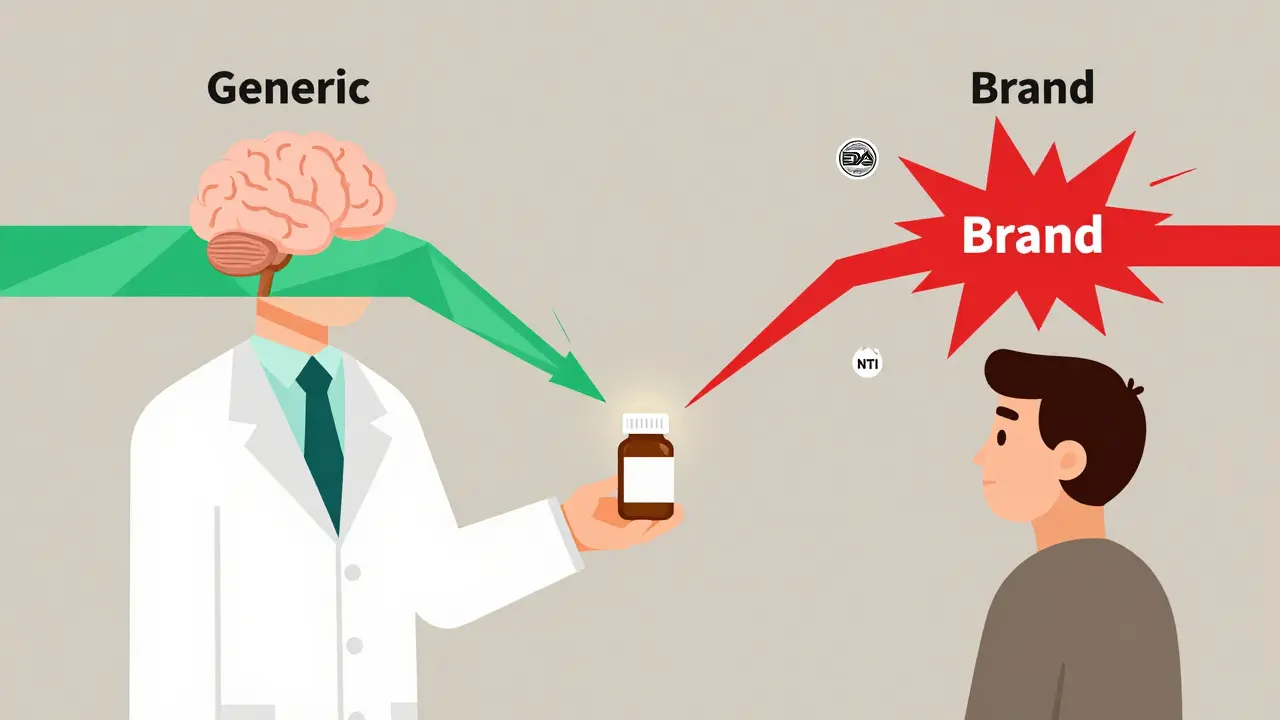
When you pick up a prescription, you might not think twice if the pill looks different from last time. But behind that switch from brand name to generic, there’s a complex web of medical opinions, safety rules, and policy battles. Medical societies-groups of doctors who set standards for how care should be delivered-have taken clear, sometimes conflicting, stances on whether generics are always safe to substitute. And for some patients, that decision could mean the difference between staying stable or facing a dangerous setback.
Why Generic Drugs Are Everywhere
Over 90% of prescriptions filled in the U.S. are for generic drugs. That’s not because they’re cheaper to make-it’s because they’re cheaper to pay for. Generic medications account for just 23% of total drug spending, even though they make up the vast majority of prescriptions. This isn’t magic. It’s the result of the Hatch-Waxman Act of 1984, which created a clear path for generic manufacturers to prove their drugs are just as effective as brand-name versions. The FDA requires generics to have the same active ingredient, strength, dosage form, and route of administration. They must also pass bioequivalence tests, meaning their blood concentration levels must fall within 80% to 125% of the brand-name drug’s levels.
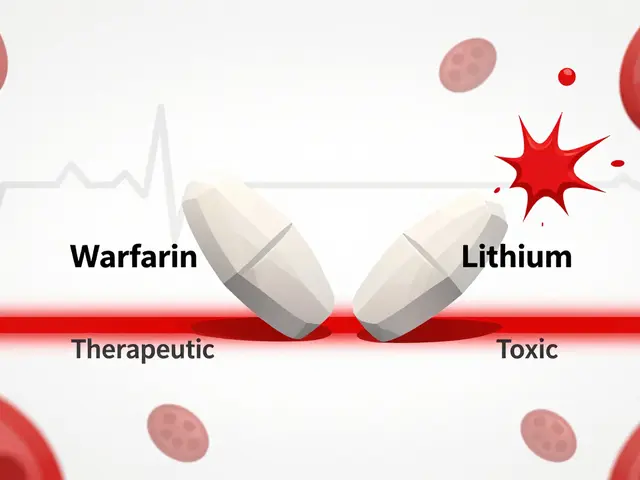
For most drugs, that’s plenty. If you’re taking a statin for cholesterol or a generic antibiotic, switching won’t make a difference. But for drugs with a narrow therapeutic index (NTI), even small changes can matter. These are medications where the line between working and causing harm is thin. A little too little, and the condition flares up. A little too much, and you get toxicity. That’s where medical societies step in.
Neurology’s Hard Line: No Substitution for Seizure Drugs
The American Academy of Neurology (AAN) is one of the few major medical societies that outright opposes generic substitution for anticonvulsants. Their position isn’t based on distrust of the FDA-it’s based on real-world experience. About 3.4 million Americans live with epilepsy. For many, seizure control depends on a precise balance of medication. Even minor shifts in blood levels, within the FDA’s allowed 80-125% range, can trigger breakthrough seizures.
Neurologists report that patients who switch from a brand-name antiepileptic to a generic-or even between two different generics-often experience increased seizure frequency. One survey found that 68% of neurologists believe generic substitutions have led to treatment complications in their patients. The AAN’s stance has influenced state laws. Some states now require prescriber consent before substituting NTI drugs like phenytoin, carbamazepine, or valproate. Others don’t. That inconsistency leaves pharmacists and patients caught in the middle.
It’s not that generics are unsafe. It’s that the margin for error is so small that medical experts prefer to avoid the gamble. For epilepsy patients, stability isn’t just about quality of life-it’s about survival.
Oncology’s Pragmatic Approach: Off-Label Use Is Common
In cancer care, the rules are different. The National Comprehensive Cancer Network (NCCN) doesn’t just accept generics-it actively incorporates them into treatment guidelines, even for uses that aren’t officially approved by the FDA. About 42% of the cancer drug uses listed in the NCCN Compendia are off-label. That means a generic drug approved for one type of cancer is being used for another, based on clinical evidence.
Why? Because cancer treatment is expensive. Brand-name drugs can cost tens of thousands per month. Generics make life-saving therapies accessible. The NCCN evaluates these uses rigorously, reviewing clinical data and real-world outcomes. If a generic drug has been shown to work just as well for a different cancer, it’s added to the guidelines. Medicare and other insurers rely on the NCCN Compendia to decide what to cover. That makes the NCCN’s approval essential-not just for doctors, but for patients trying to afford treatment.
Here, the focus isn’t on whether the generic is identical-it’s on whether it works. And in oncology, the evidence overwhelmingly says it does.

The Naming Game: How Drug Names Affect Safety
Ever notice how generic drugs have strange names? Like lamotrigine or escitalopram? That’s not random. It’s the work of the American Medical Association’s United States Adopted Names (USAN) Council. Their job? Make sure drug names don’t look or sound too similar.
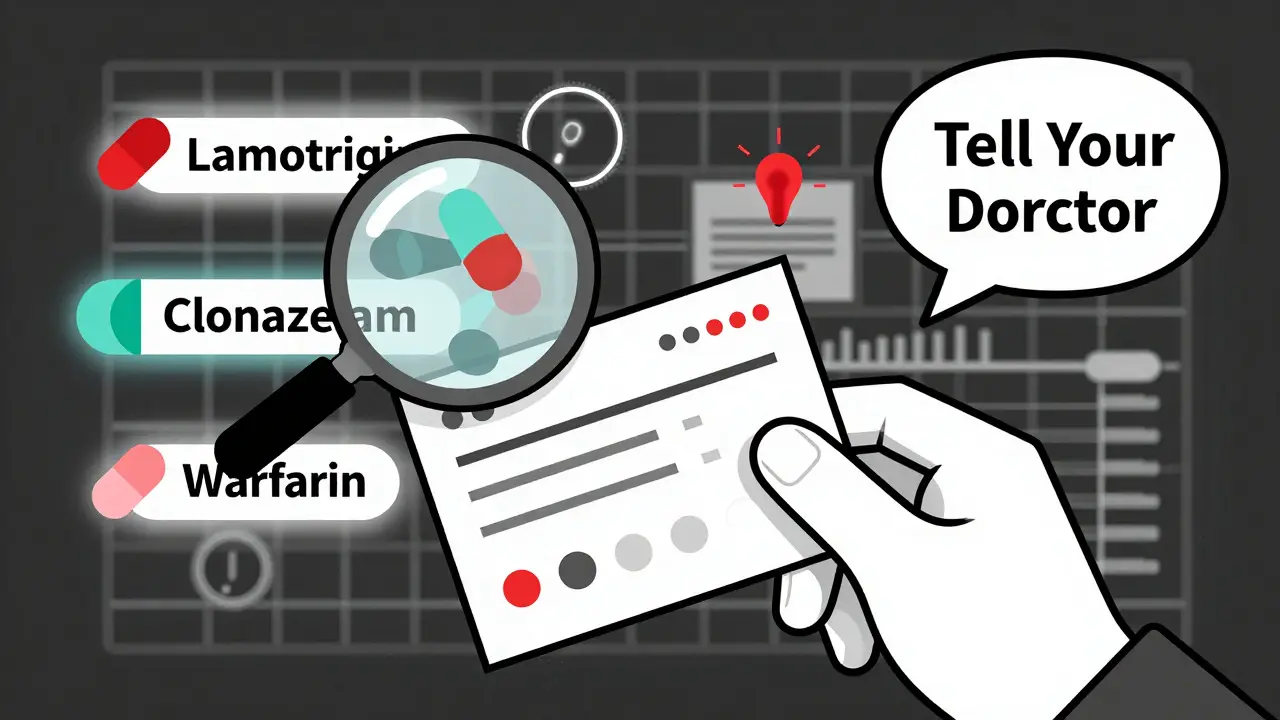
Why does this matter? Because medication errors kill. A doctor might write a prescription for clonazepam, but if the generic looks like clonidine on the label, a pharmacist could accidentally dispense the wrong drug. The USAN Council avoids stems that are too close to existing names. They use consistent endings to show drug class-like -pril for ACE inhibitors or -vastatin for statins. This helps reduce confusion during prescribing, dispensing, and administration.
According to the AMA, the primary goal of drug naming is safety-not marketing. A name should help clinicians, not confuse them. And in high-risk areas like neurology or cardiology, that small detail can prevent a life-threatening mistake.
The FDA’s Position: All Generics Are Created Equal
The FDA maintains that every approved generic drug is therapeutically equivalent to its brand-name counterpart. They say the approval process is rigorous, and that substitution is straightforward. Their data shows that when a generic is available, about 90% of prescriptions are filled with it. That’s a huge win for cost savings.
But the FDA’s blanket approval doesn’t account for how drugs behave in real patients. The 80-125% bioequivalence range is a statistical average. It doesn’t guarantee every individual will respond the same way. For example, a patient who’s been stable on a brand-name drug for years might react differently to a generic made by a different manufacturer-even if both are FDA-approved.
Medical societies don’t reject the FDA’s standards. They just add nuance. For most drugs, the FDA’s position is enough. For others, it’s not.
What This Means for Patients and Providers
Here’s the reality: There’s no one-size-fits-all rule for generic substitution.
- If you’re on a blood thinner like warfarin, your doctor might prefer you stay on the same brand to avoid fluctuations in INR levels.
- If you’re taking a generic antidepressant and feeling fine, switching to another generic might be perfectly safe.
- If you have epilepsy, thyroid disease, or are on certain immunosuppressants, your provider may insist you stay on the same formulation.
Pharmacists are often required to substitute generics unless the prescriber writes "dispense as written" or "no substitution." But if your doctor has concerns-especially with NTI drugs-they can and should override that.
Patients should speak up. If you notice a change in how you feel after switching to a generic, tell your doctor. Don’t assume it’s "all in your head." There’s real science behind those changes.
The Big Picture: Cost vs. Safety
Medical societies aren’t against generics. They’re against unsafe substitution. The goal is to balance affordability with patient safety. The Generic Pharmaceutical Industry Association pushes for more substitution because it saves money. But the American Academy of Neurology, the American College of Physicians, and others push back when the science says it’s risky.
The truth? Most patients benefit from generics. But for a subset-those on NTI drugs, complex regimens, or with fragile health-the stakes are higher. That’s why guidelines exist: not to block access, but to protect it.
The system works best when everyone-patients, doctors, pharmacists, and regulators-talks. Your doctor should know your history. Your pharmacist should know your concerns. And your insurance shouldn’t force a switch that could put you at risk.
Are generic drugs always as good as brand-name drugs?
For most drugs, yes. The FDA requires generics to meet the same standards for quality, strength, and effectiveness as brand-name drugs. But for drugs with a narrow therapeutic index-like antiseizure medications, blood thinners, or thyroid hormones-even small differences in how the body absorbs the drug can matter. In these cases, some doctors prefer to keep patients on the same formulation to avoid risks.
Why do some states block generic substitution for certain drugs?
Some states have laws that prevent pharmacists from substituting generic drugs for those with narrow therapeutic indices unless the prescriber gives explicit permission. This is largely due to pressure from medical societies like the American Academy of Neurology, which cite real patient cases where switching led to seizures or other complications. These laws give doctors control over substitutions that could affect safety.
Can I ask my doctor to keep me on a brand-name drug?
Yes. If you’ve been stable on a brand-name drug and worry about switching, you can ask your doctor to write "dispense as written" or "no substitution" on your prescription. Many insurers will still cover the brand if there’s a documented medical reason. It’s your right to raise concerns about changes in how you feel.
Do all generic manufacturers produce the same quality?
All FDA-approved generics must meet the same standards, but they can come from different manufacturers with different production methods. While the active ingredient is identical, inactive ingredients (like fillers or coatings) can vary. For most people, this doesn’t matter. But for patients sensitive to these differences-especially with NTI drugs-it can affect absorption and response.
Why do some doctors oppose generic substitution even when the FDA says it’s safe?
Doctors base their decisions on clinical experience, not just regulatory approval. While the FDA’s bioequivalence standards are scientifically sound, they’re based on group averages. Individual patients can react differently. Neurologists, for example, have seen patients with epilepsy experience breakthrough seizures after switching generics. That real-world evidence shapes their guidelines more than lab data.
What’s Next?
The future of generic drug use isn’t about banning them-it’s about smarter use. The FDA continues to update its Orange Book, which rates therapeutic equivalence. Medical societies are starting to align more closely with those ratings. But for now, the key is awareness. If you’re on a drug with a narrow therapeutic index, don’t assume substitution is harmless. Talk to your doctor. Ask if switching is right for you. And if you notice changes in how you feel-don’t ignore them. Your body knows when something’s off.



Weston Potgieter
Generics are fine until your seizure count goes from 2 a month to 2 a day. Then you realize the FDA’s 80-125% range is just corporate math pretending to be science.
My cousin switched generics and ended up in the ER. No one took it seriously till she almost died.
Stop pretending all drugs are the same. Some of us aren’t guinea pigs.