Opioid Patches: How They Work, Risks, and What to Know Before Using
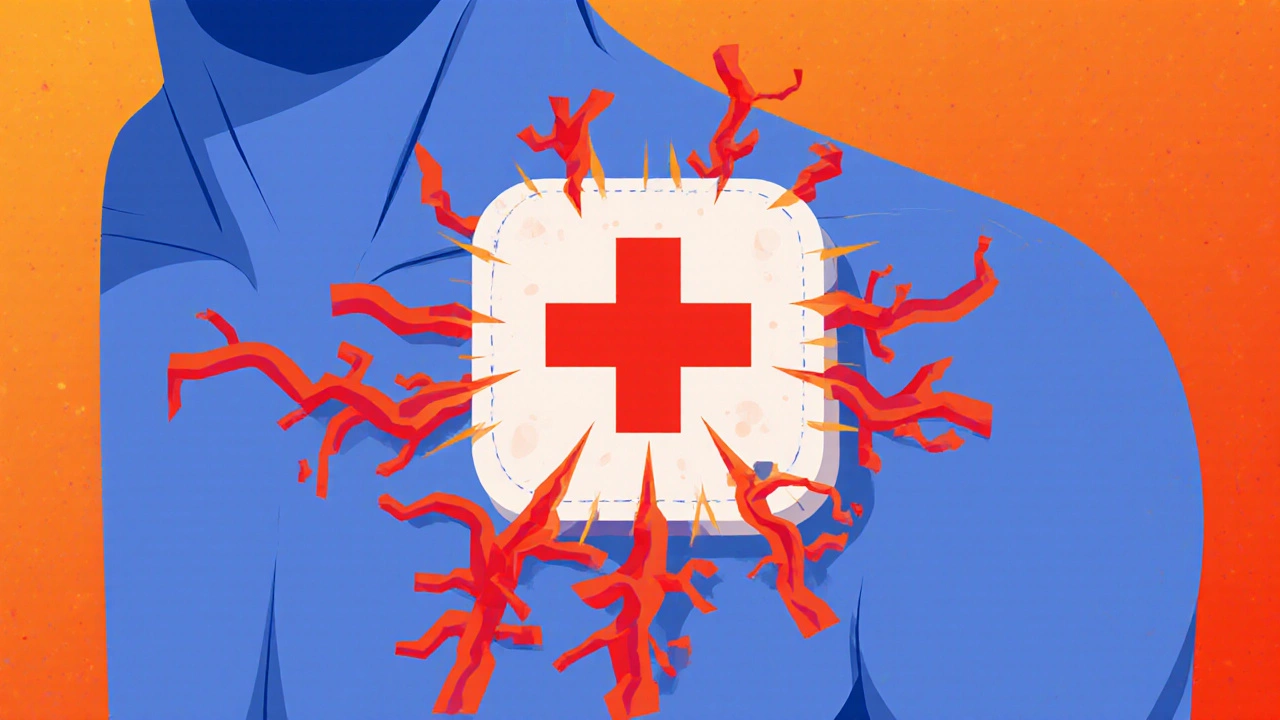
When you need long-lasting pain relief, opioid patches, transdermal delivery systems that release pain medication slowly through the skin. Also known as fentanyl patches, they’re often prescribed for chronic pain that doesn’t respond to oral meds. Unlike pills that hit hard and fade fast, these patches work steadily—sometimes for days. But that slow release is also why they’re so dangerous if used wrong.
Most opioid patches contain fentanyl, a powerful synthetic opioid up to 100 times stronger than morphine. Others use buprenorphine or morphine. They’re not for occasional pain. They’re for people with constant, severe pain—like cancer patients or those recovering from major surgery. If you’re taking them, you’re likely already on daily opioids. These patches aren’t a first try. They’re a last-resort tool, and they demand respect.
One patch can hold enough drug to kill someone who’s never used opioids before. Accidental exposure—like a child finding it or a pet licking it—can be fatal. Even improper disposal, like flushing or throwing it in the trash, puts others at risk. The FDA has warned that many people don’t realize how potent these patches are. You can’t cut them, warm them up, or use them longer than prescribed. Heat from a heating pad, hot bath, or even a fever can make your body absorb too much too fast. That’s not a side effect—it’s an overdose waiting to happen.
And it’s not just about misuse. Even when used exactly as directed, opioid patches can cause dizziness, constipation, nausea, or breathing trouble. Long-term use leads to tolerance—you need more just to feel the same relief. That’s when dependence kicks in. Withdrawal isn’t just uncomfortable; it’s brutal. That’s why switching off them needs medical supervision. No one should quit cold turkey.
There are alternatives. For some, non-opioid patches like lidocaine or capsaicin help with nerve pain. Physical therapy, nerve blocks, or even cognitive behavioral therapy can reduce reliance on drugs. But for others, opioid patches are the only thing that lets them get out of bed. The key isn’t to avoid them entirely—it’s to use them with eyes wide open.
What you’ll find in the articles below are real, practical guides on how these patches fit into broader treatment plans, how they interact with other meds, what to do if something goes wrong, and how to spot the signs of trouble before it’s too late. These aren’t marketing pages. They’re tools for people who need to understand the full picture—because when it comes to opioid patches, ignorance isn’t just risky. It’s deadly.
Fentanyl patches can be life-saving for chronic pain-but heat from showers, fever, or heating pads can cause deadly overdose. Learn what really happens when warmth meets the patch and how to stay safe.
Continue reading...