Adverse Event Reporting: What You Need to Know About Drug Safety
When you take a medicine and something unexpected happens—like a rash, dizziness, or trouble breathing—that’s not just bad luck. It’s data. Adverse event reporting, the process of documenting harmful or unexpected reactions to medications. Also known as pharmacovigilance, it’s the quiet system that keeps drugs safe after they hit the market. Every report, no matter how small, helps regulators and doctors spot patterns before more people get hurt.
This isn’t just for doctors or pharmacists. If you’ve taken a new pill and felt worse instead of better, you’re part of this system. Medication side effects, unintended reactions that range from mild to life-threatening are tracked through these reports. The same goes for drug safety, the ongoing effort to understand risks after a medicine is widely used. A patch that causes burns when warmed, a blood pressure pill that triggers dizziness, or an antipsychotic that leads to weight gain—these aren’t isolated cases. They’re clues. And they all feed into the same pipeline: adverse event reporting.
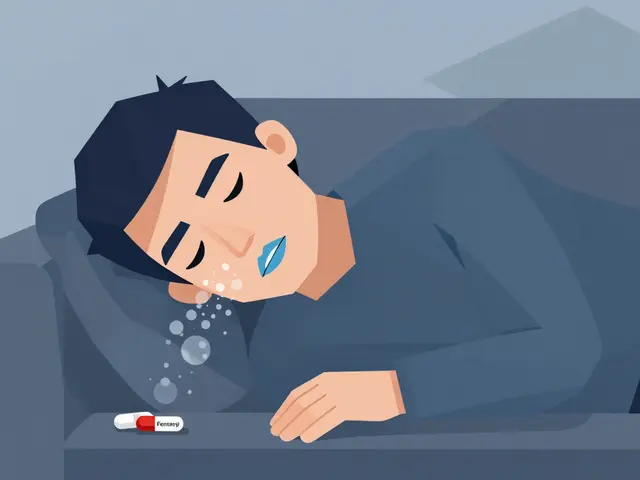
What happens after you report it? The data gets compiled. Regulators look for spikes in similar reactions. Manufacturers might update warnings. Doctors get new guidance. Sometimes, a drug gets pulled. You won’t always hear about it, but your report could be the one that saves someone else’s life. That’s why it matters—not because it’s mandatory, but because it’s real. The posts below cover real stories: how heat turns fentanyl patches dangerous, how antipsychotics affect metabolism, how antibiotics mess with gut health, and how lifestyle changes can reduce side effects. These aren’t theoretical. They’re lived experiences. And they all connect back to one thing: the need to speak up when something doesn’t feel right. What you notice, others need to know.
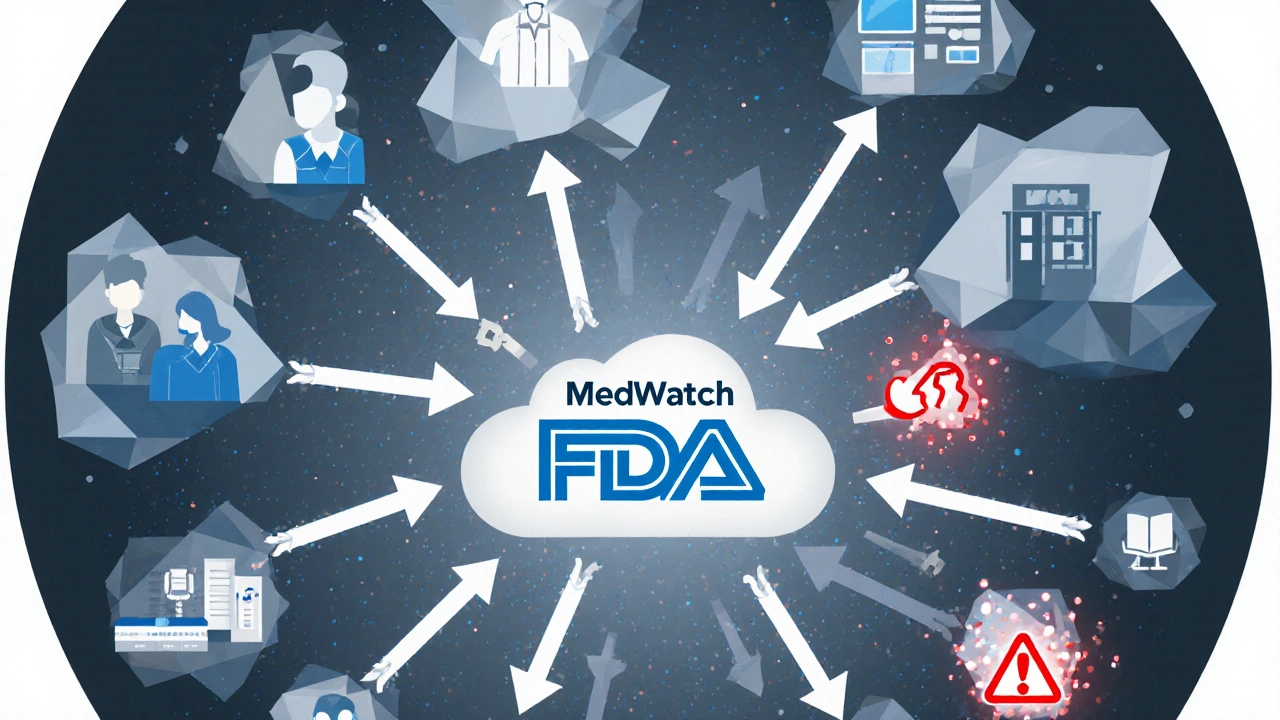
MedWatch is the FDA's system for collecting reports of side effects and safety issues with drugs, devices, and other medical products. Learn how it works, who reports, and why your report matters.
Continue reading...