Delayed Gastric Emptying: Causes, Symptoms, and How Medications Affect It
When your stomach takes too long to empty its contents, you’re dealing with delayed gastric emptying, a condition where the stomach muscles don’t work properly, slowing or stopping food from moving into the small intestine. Also known as gastroparesis, it’s not just about feeling full after eating—it can wreck your blood sugar, mess with how your meds absorb, and leave you nauseous or bloated for hours. This isn’t rare. It affects millions, especially people with diabetes, those on long-term opioid pain meds, or anyone who’s had surgery near the vagus nerve.
What makes this tricky is how it connects to medication absorption, the process by which drugs enter your bloodstream after swallowing. If food sits in your stomach for hours, pills like levothyroxine, metformin, or even antibiotics won’t reach the right spot at the right time. That means they might not work—or worse, they could cause side effects because they’re released unevenly. gastric motility, the movement of food through the digestive tract driven by muscle contractions is the key player here. When it’s weak or irregular, your whole drug schedule gets thrown off. Even fiber supplements, which help digestion in most people, can make this worse by adding bulk that just sits there.
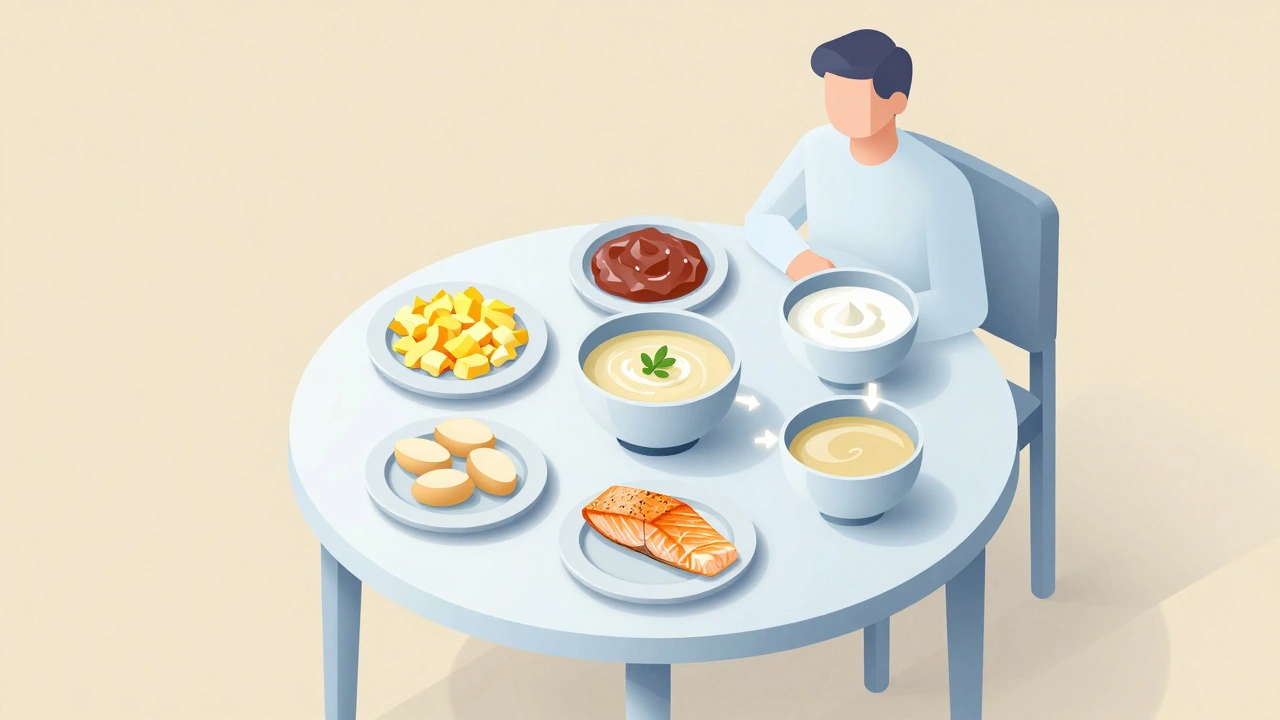
People with diabetic gastroparesis, a form of delayed gastric emptying caused by nerve damage from high blood sugar over time often struggle the most. Their insulin doses need constant adjusting because food arrives unpredictably. Some meds, like metoclopramide, are meant to speed things up—but even those have limits and side effects. The real solution? Timing. Eating smaller meals. Avoiding high-fat and high-fiber foods when symptoms flare. And knowing which pills to take on an empty stomach versus with a light snack. It’s not about cutting out food—it’s about working with your body’s rhythm.
What you’ll find below are real, practical guides from people who’ve lived through this. From how fiber supplements interfere with thyroid meds, to why your pill organizer might be doing more harm than good if your stomach’s slow, to how FDA guidelines on generic drug timing can matter more than you think. These aren’t theory pieces—they’re battle-tested tips from patients and providers who’ve figured out how to eat, take meds, and still feel in control. No fluff. Just what works.
Gastroparesis causes delayed stomach emptying, leading to nausea, bloating, and vomiting. Learn how diet changes, meal timing, and medical treatments can help manage symptoms and improve quality of life.
Continue reading...