Fiber Supplements: What They Do, Who Needs Them, and What Really Works
When you hear fiber supplements, concentrated forms of dietary fiber taken to support digestion and overall health. Also known as fiber pills, they’re not magic pills—but they can be a real lifeline if your diet lacks whole grains, beans, fruits, and veggies. Most people don’t get enough fiber. The CDC says only about 5% of Americans hit the daily target of 25–38 grams. That’s why millions turn to fiber supplements—to ease bloating, fix constipation, or just feel less sluggish after meals.
Not all fiber is the same. soluble fiber, dissolves in water and forms a gel that slows digestion and helps manage blood sugar, is found in psyllium, oats, and flaxseed. It’s the go-to for lowering cholesterol and keeping blood sugar steady. insoluble fiber, doesn’t dissolve and adds bulk to stool, helping things move through the gut, comes from wheat bran and cellulose. It’s the best pick for regular bowel movements. Then there’s resistant starch, a type of fiber that feeds good gut bacteria, found in cooled potatoes and green bananas. It’s newer, but studies show it helps with inflammation and gut lining health.
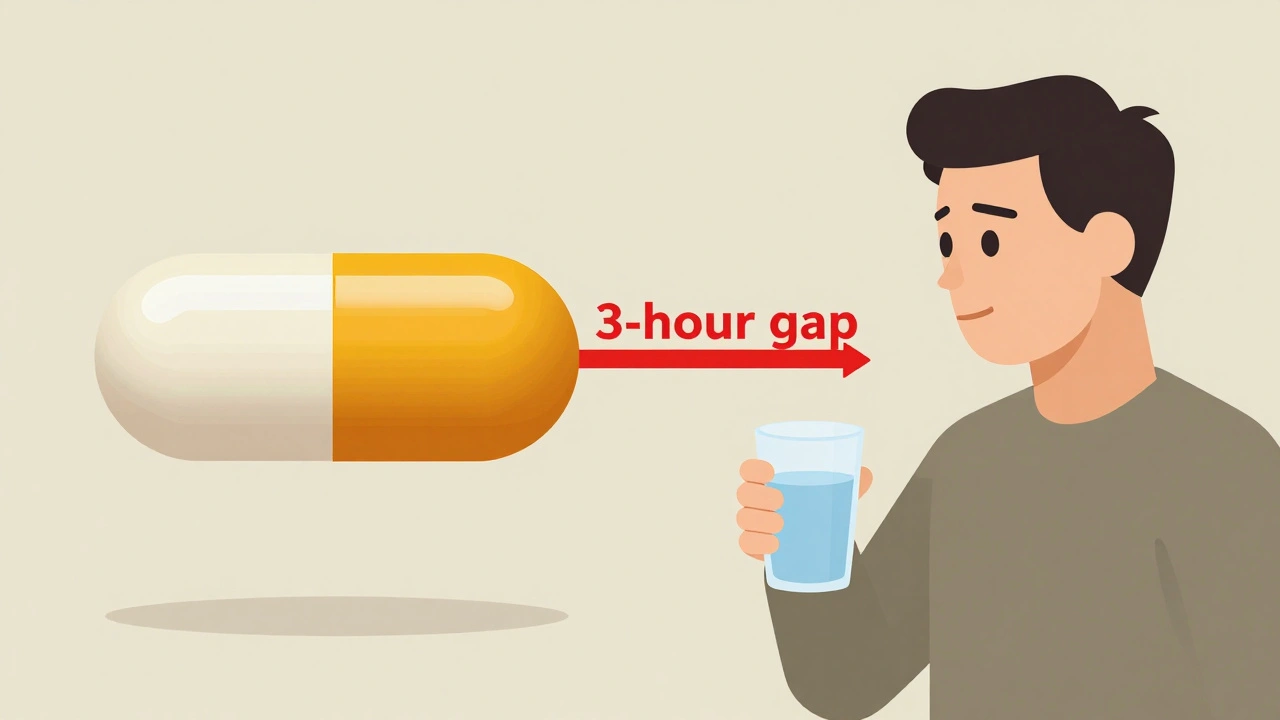
People with chronic constipation, IBS, or diabetes often see the biggest benefits. But fiber supplements aren’t for everyone. If you’re on blood thinners, diabetes meds, or thyroid pills, fiber can interfere with absorption. That’s why timing matters—take them at least two hours apart from other meds. And don’t just chug a powder without water. That’s how you end up with a blockage instead of relief.
The best fiber supplements don’t promise miracles. They just deliver what the body needs: consistent, gentle support. Whether it’s a capsule of psyllium husk in the morning or a spoonful of ground flax in your yogurt, the goal is simple—get your gut moving without the side effects. And if you’re already eating more veggies and whole grains? You might not need them at all.
Below, you’ll find real-world guides on how fiber interacts with medications, what brands actually work, how to avoid common mistakes, and when to skip supplements entirely. No fluff. Just what you need to decide if fiber pills are right for you.
Fiber supplements can block absorption of key medications like thyroid drugs, lithium, and metformin. Learn how to time your doses safely-two to four hours apart-to protect your health without giving up fiber.
Continue reading...