Gastroparesis: Causes, Management, and How Medications Affect Your Stomach
When your stomach can’t empty food the way it should, you’re dealing with gastroparesis, a condition where the stomach muscles don’t work properly, leading to delayed gastric emptying. Also known as delayed gastric emptying, it’s not just indigestion—it’s a real disruption in how your body processes food, often linked to nerve damage from diabetes, a leading cause of gastroparesis due to long-term high blood sugar damaging the vagus nerve.
People with gastroparesis don’t just feel full fast—they might vomit undigested food hours after eating, have wild blood sugar swings, or lose weight without trying. It’s worse if you’re on meds that slow digestion, like some opioids, painkillers that reduce gut motility and can make gastroparesis symptoms much worse, or even certain antidepressants. And here’s the catch: if you’re taking levothyroxine, a thyroid hormone replacement that needs to be absorbed on an empty stomach, gastroparesis can mess with how well it works. If food sits too long, your body can’t absorb the drug properly, which means your thyroid levels stay off—even if you’re taking the right dose.
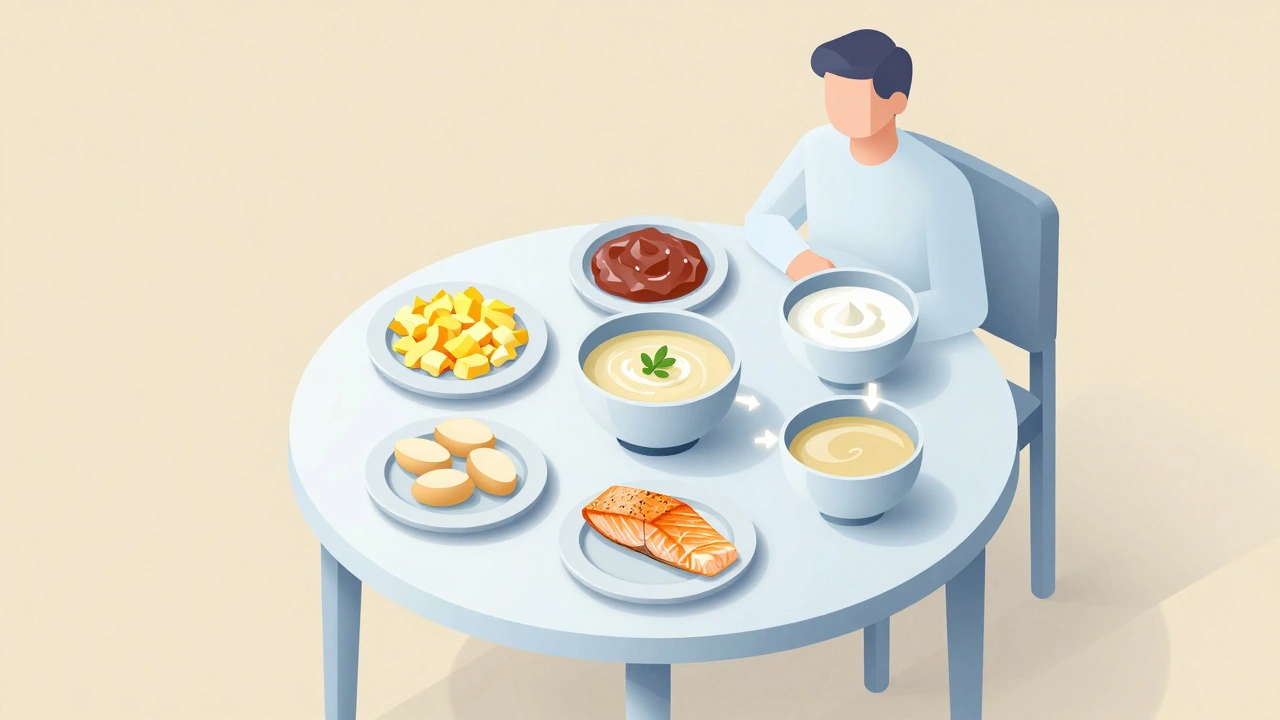
Managing gastroparesis isn’t about one magic fix. It’s about timing meals, choosing low-fiber foods, avoiding fatty or fibrous meals that sit heavy, and sometimes using prokinetic drugs, medications like metoclopramide or erythromycin that help the stomach contract and move food along. But even those have limits—metoclopramide can cause serious side effects if used too long. That’s why many people turn to diet tweaks first: smaller meals, pureed foods, liquid calories. And if you’re diabetic, tight blood sugar control isn’t just good advice—it’s the foundation of slowing this condition down.
What you’ll find below are real, practical guides on how medications interact with digestion—like how fiber supplements can block absorption of key drugs, or why timing matters more than you think. You’ll see how doctors decide when to stick with brand-name meds over generics, and how even something as simple as a pill organizer can help or hurt your routine. This isn’t theory. It’s what people with gastroparesis actually deal with—and how to take control of it, one meal, one pill, one day at a time.
Gastroparesis causes delayed stomach emptying, leading to nausea, bloating, and vomiting. Learn how diet changes, meal timing, and medical treatments can help manage symptoms and improve quality of life.
Continue reading...