Gastroparesis Diet: What to Eat, What to Avoid, and How to Manage Symptoms
When your stomach doesn’t empty properly, it’s called gastroparesis, a condition where the muscles in the stomach wall don’t work well, slowing or stopping food movement into the small intestine. Also known as delayed gastric emptying, it causes nausea, bloating, early fullness, and unpredictable blood sugar spikes—especially in people with diabetes. This isn’t just discomfort; it’s a daily battle with food that won’t move, leading to malnutrition if not managed right.
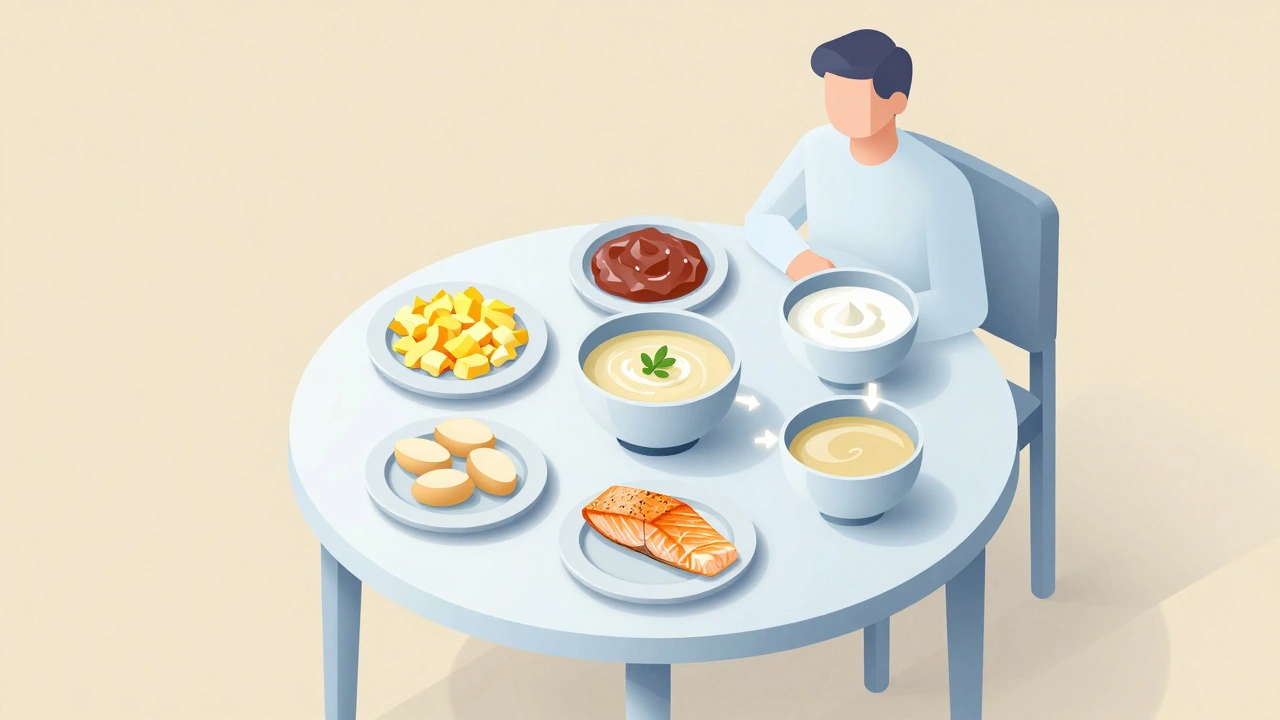
The gastroparesis diet, a structured eating plan designed to reduce stomach strain and improve digestion isn’t about starving yourself—it’s about choosing foods your stomach can handle. That means avoiding high-fiber foods like raw veggies, whole grains, and nuts, which sit in the stomach too long. Instead, focus on cooked, soft, low-residue options: mashed potatoes, well-cooked carrots, eggs, lean ground meats, and oatmeal made with water. Liquids and pureed meals often pass more easily, which is why smoothies and soups are common staples. You’ll also need to eat smaller, more frequent meals—six tiny meals instead of three big ones—to keep your stomach from getting overwhelmed.
Another key part of this diet is managing fat and sugar. High-fat foods delay stomach emptying even more, so skip fried items, heavy creams, and fatty cuts of meat. Sugary foods, especially in people with diabetes, can worsen symptoms because high blood sugar slows gastric motility further. That’s why tracking carbs and timing meals with insulin is often part of the plan. And while fiber is usually good for digestion, in gastroparesis, it becomes a problem—especially insoluble fiber from skins, seeds, and bran. That’s why fiber supplements, like Metamucil or psyllium husk, can make gastroparesis worse unless carefully timed and approved by your doctor.
Many people with gastroparesis also struggle with nutrient absorption, so vitamin and mineral deficiencies are common. That’s why some turn to liquid nutrition formulas or supplements under medical supervision. And while there’s no cure, sticking to a consistent eating pattern can dramatically reduce flare-ups. It’s not about perfection—it’s about finding what works for your body. Some find relief with ginger tea or peppermint oil, others with posture adjustments after meals (staying upright for two hours helps). The goal is to keep your stomach from feeling like it’s holding onto food forever.
The posts below give you real, practical tools to make this diet work. You’ll find guides on how to time meals around medications, why certain foods trigger symptoms, and how to avoid common mistakes that make gastroparesis worse. Whether you’re just starting out or have been managing this for years, these resources are built for people who need clear, no-nonsense advice—not theory, not fluff. What you eat next shouldn’t feel like a gamble. Let’s make it work.
Gastroparesis causes delayed stomach emptying, leading to nausea, bloating, and vomiting. Learn how diet changes, meal timing, and medical treatments can help manage symptoms and improve quality of life.
Continue reading...