Gastroparesis Symptoms: What to Watch For and How to Manage Them
When your stomach doesn’t empty properly, food sits there too long—that’s gastroparesis, a condition where the stomach muscles don’t work right, slowing or stopping food from moving into the small intestine. Also known as delayed gastric emptying, it’s not just indigestion—it’s a real dysfunction that can make eating feel like a chore.
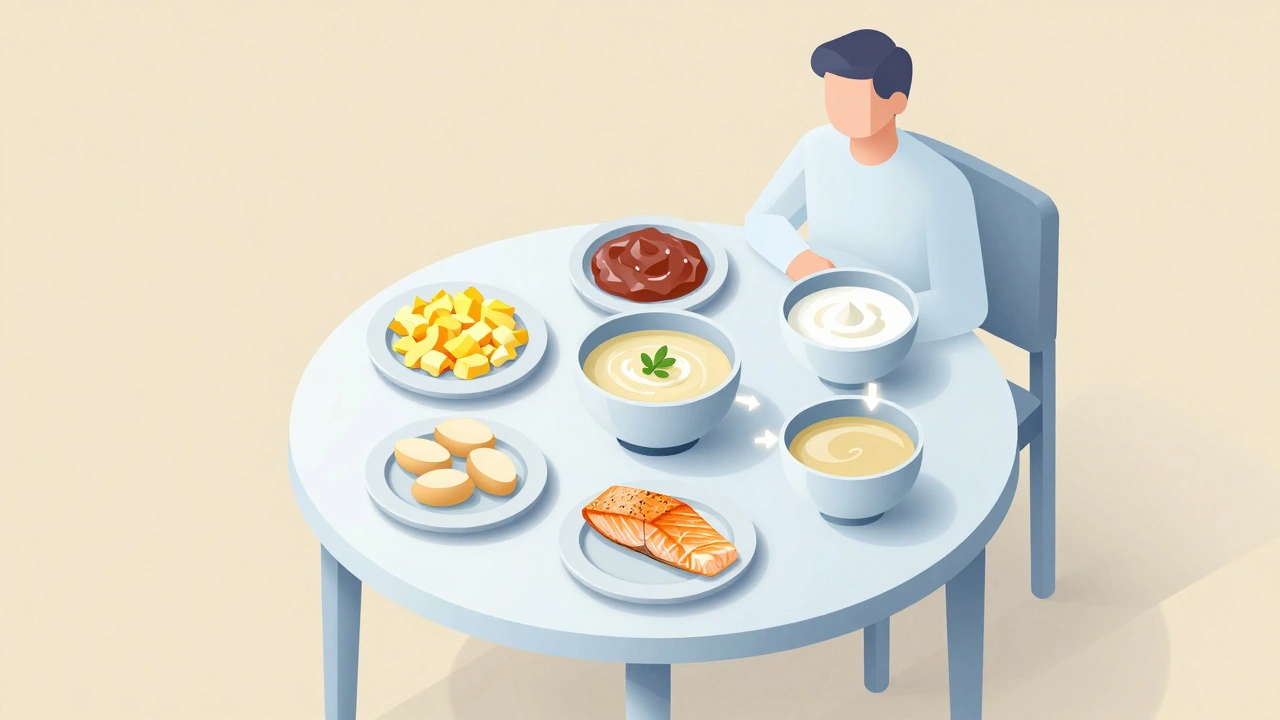
People with diabetic gastroparesis, a common form caused by nerve damage from long-term high blood sugar often notice symptoms slowly: feeling full after just a few bites, bloating that won’t go away, or nausea that comes and goes without reason. It’s not always about eating too much—it’s about your stomach not responding like it should. Some folks report vomiting undigested food hours after a meal, or sudden weight loss because they’re avoiding food to escape discomfort. These aren’t normal ups and downs—they’re signs your digestive system is stuck.
And it’s not just diabetics. medication-induced gastroparesis, triggered by drugs like opioids, certain antidepressants, or even some diabetes pills, is more common than you think. If you’ve started a new med and suddenly feel like your stomach is a brick, that’s a red flag. The symptoms overlap with other conditions—GERD, IBS, even anxiety—but gastroparesis has a telltale pattern: symptoms get worse after eating, especially fatty or fibrous foods, and don’t improve with antacids.
What makes it tricky is that the symptoms are vague. You might think it’s stress, a stomach bug, or just bad luck with digestion. But if you’ve had nausea, bloating, or early fullness for weeks—not days—and nothing seems to help, it’s worth asking about gastroparesis. Blood tests won’t catch it. An empty stomach won’t fix it. You need a proper test, like a gastric emptying scan, to know for sure.
And here’s the thing: ignoring it doesn’t make it go away. Left untreated, gastroparesis can lead to malnutrition, bacterial overgrowth, or even bezoars—hard lumps of undigested food that block the stomach. The good news? You don’t have to live with it. There are dietary tweaks, timing strategies, and medications that help. You’ll find real advice here—not guesswork. Whether you’re dealing with diabetes, post-surgery issues, or unexplained nausea, the posts below break down what actually works, what to avoid, and how to talk to your doctor about it without sounding like you’re making it up.
Gastroparesis causes delayed stomach emptying, leading to nausea, bloating, and vomiting. Learn how diet changes, meal timing, and medical treatments can help manage symptoms and improve quality of life.
Continue reading...