

Have you ever picked up a prescription and been shocked by the price-only to find out your doctor wrote "Do Not Substitute" on the script? You’re not alone. Many patients don’t understand why they’re being charged $85 for a pill that costs $10 as a generic. But in some cases, that higher price isn’t a mistake-it’s a medical necessity.
What Does "Do Not Substitute" Actually Mean?
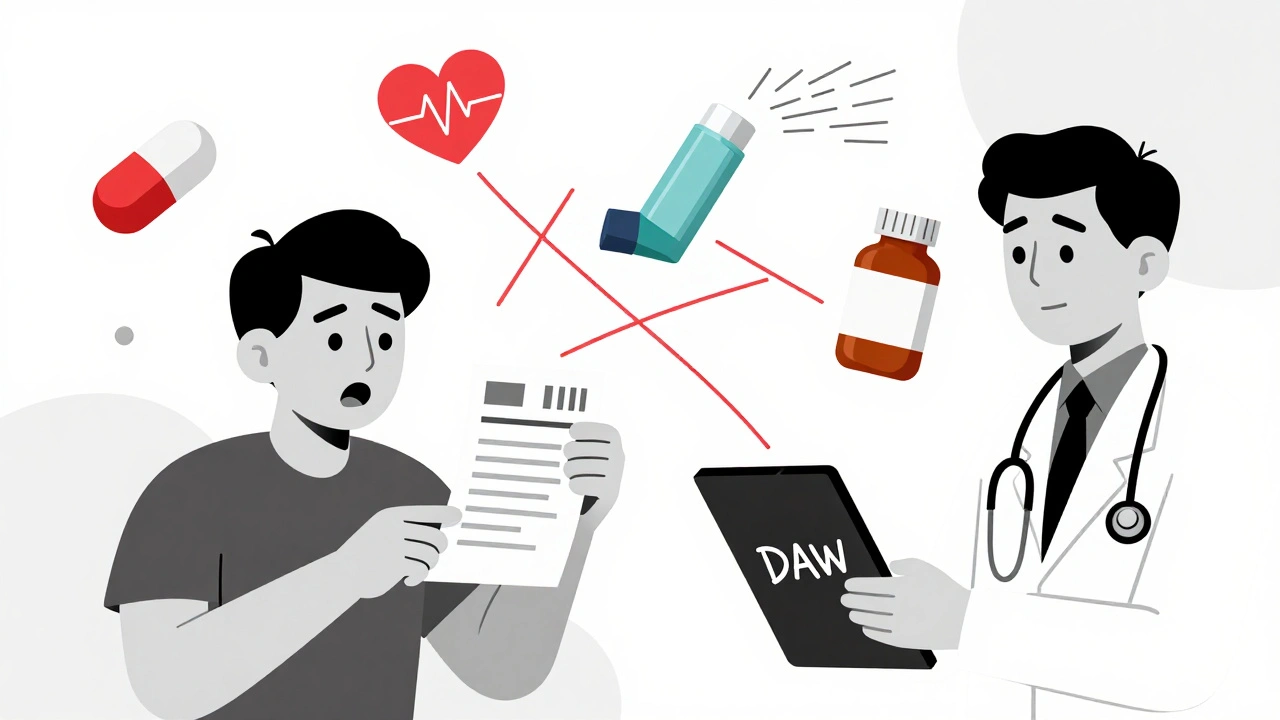
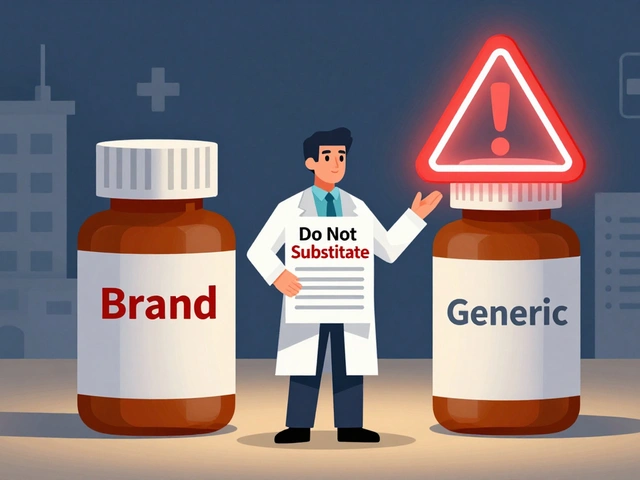
When a doctor writes "Do Not Substitute" (or DAW, "Dispense as Written") on a prescription, they’re telling the pharmacist: give me exactly this brand-name drug. No generics allowed. This isn’t about preference. It’s about safety, effectiveness, and sometimes, life-or-death stability. In the U.S., pharmacists are usually allowed to swap a brand-name drug for a cheaper generic version-unless the doctor says otherwise. Generic drugs are required by the FDA to have the same active ingredient, strength, and dosage form. But here’s the catch: they don’t have to be identical in every way. Fillers, coatings, and release mechanisms can vary. For most people, that doesn’t matter. For others, it can cause serious problems.When Is a Brand Drug Really Necessary?
Not all drugs are created equal when it comes to substitution. Some medications have what’s called a narrow therapeutic index (NTI). That means the difference between a helpful dose and a dangerous one is tiny. Even small changes in how the drug is absorbed can lead to treatment failure-or overdose. These are the top three reasons doctors write "Do Not Substitute":- Narrow therapeutic index drugs: Think warfarin (blood thinner), levothyroxine (thyroid hormone), and phenytoin (seizure medication). A 2021 study found that 38% of all "Do Not Substitute" prescriptions were for NTI drugs. For patients on levothyroxine, switching brands-even to an FDA-approved generic-can cause heart palpitations, weight changes, or even thyroid storm.
- Documented adverse reactions: Some people don’t tolerate the inactive ingredients in generics. Lactose, dyes, or preservatives in a generic version can trigger rashes, stomach upset, or migraines in sensitive individuals. If a patient has had a reaction to a generic before, the doctor will block substitution.
- Complex delivery systems: Inhalers, prefilled syringes, and extended-release capsules aren’t just about the drug inside. The device matters. Forty-three states ban substitution for these because changing the delivery method can alter how the drug works. A generic inhaler might look the same, but if the propellant or spray pattern is different, the lung dose can be off by 30%.
How Common Is "Do Not Substitute"?
About 8-12% of all prescriptions in the U.S. carry a "Do Not Substitute" directive, according to the American Medical Association. That’s millions of scripts every year. But here’s where it gets messy: the rate varies wildly by drug type.- Small-molecule drugs (like antibiotics or blood pressure pills): Only about 10% of prescriptions have DNS. These are the drugs where generics work just as well 99% of the time.
- Biologics (like insulin, rheumatoid arthritis drugs, or cancer treatments): Nearly 65% of prescriptions are DNS. Why? Because true "interchangeable" biosimilars (the equivalent of generics for biologics) are rare. As of late 2023, only 12 out of thousands of biologic products had FDA approval as interchangeable.
- Specialty drugs (used for rare or complex conditions): Up to 68% of these prescriptions are DNS. These are often high-cost, high-risk medications where even minor changes can derail treatment.
Why Do Some Doctors Overuse DNS?
Not every "Do Not Substitute" order is medically justified. Experts like Dr. Aaron Kesselheim from Harvard say that in some therapeutic areas, DNS rates are as high as 25-30%-far above what clinical evidence supports. That’s not patient safety. That’s often drug company influence. Pharmaceutical reps visit doctors. They hand out samples of brand-name drugs. They emphasize rare side effects of generics-even when those effects aren’t backed by data. Meanwhile, the FDA has reviewed over 1.5 million bioequivalence studies since 2010 and found that 99.5% of generics perform just like their brand-name counterparts. The American College of Physicians warned in 2022 that unnecessary DNS prescriptions cost the U.S. healthcare system $15.7 billion a year. That’s money that could go to better care, lower premiums, or more affordable medications for everyone.What Patients Don’t Know (But Should)
A 2022 Kaiser Family Foundation survey found that 68% of patients who got a "Do Not Substitute" prescription didn’t know it would cost them more-until they got to the pharmacy counter. Many assume the doctor just wrote "brand name" because it’s better. It’s not always true. If you get a DNS prescription, ask:- "Is this because of a documented reaction I’ve had?"
- "Is this a narrow therapeutic index drug?"
- "Is there a generic version that’s been proven safe for this condition?"
How Pharmacists Handle DNS
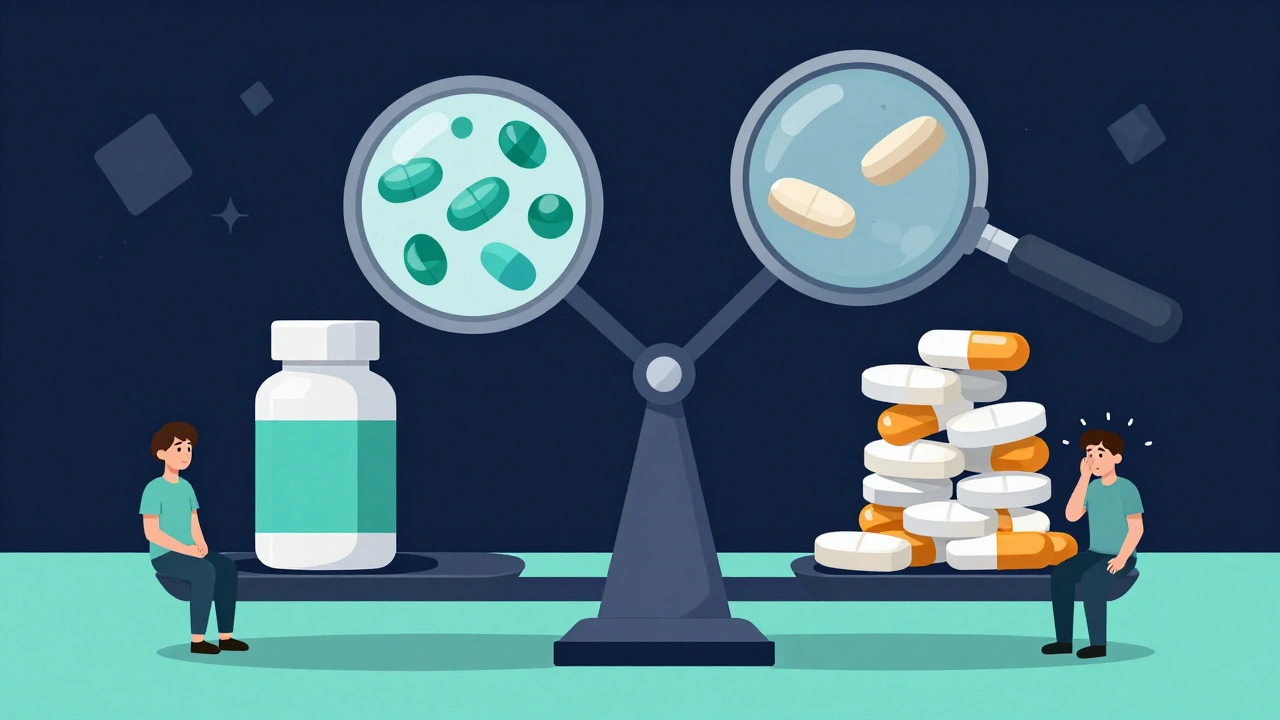
Pharmacists are caught in the middle. They want to save patients money. But they’re legally required to follow the doctor’s instructions. The problem? Insurance systems often reject DNS prescriptions 15-20% of the time, even when they’re properly written. That means the pharmacist has to call the doctor’s office, wait for clarification, and delay the patient’s treatment. In some states, the rules are strict. In New York, the phrase must be "Dispense as Written" with the doctor’s initials. In California, electronic systems require a checkbox and digital signature. If it’s not formatted right, the pharmacy can’t fill it.What’s Changing in 2025?
The landscape is shifting. The FDA is investing $50 million in research on narrow therapeutic index drugs to improve generic testing standards. That could mean fewer DNS prescriptions in the future for drugs like levothyroxine. The Inflation Reduction Act now requires Medicare to track DNS usage starting in 2024. And 18 states introduced laws in 2023 to limit DNS to only clinically justified cases. Some now require prior authorization before a brand drug can be filled under DNS. Industry analysts predict that by 2027, DNS rates for small-molecule drugs will drop to 5-7%, as evidence grows that generics are safe. But for biologics, DNS will likely stay above 50%-because the science just isn’t there yet.Bottom Line: Trust, But Verify
"Do Not Substitute" isn’t a red flag-it’s a tool. Used correctly, it protects patients. Used carelessly, it drives up costs and wastes resources. If you’re prescribed a brand-name drug with DNS, ask why. If your doctor gives you a good reason-like a past reaction or a thyroid condition-then you’re getting the right care. If the answer is vague or sounds like marketing, it’s okay to push back. Generic drugs are safe. Most of the time, they’re better. But medicine isn’t one-size-fits-all. Sometimes, the brand name is the only safe choice-and that’s not a flaw in the system. It’s a feature.Why can’t I just switch to a cheaper generic if my doctor wrote "Do Not Substitute"?
Because your doctor believes the brand-name version is medically necessary for your safety. Even if the generic has the same active ingredient, differences in fillers, coatings, or release mechanisms can affect how your body absorbs the drug. For conditions like epilepsy, thyroid disease, or blood thinning, even small changes can cause serious side effects or treatment failure.
Is "Do Not Substitute" just a way for doctors to make more money?
No-doctors don’t profit from writing "Do Not Substitute." In fact, it often makes their job harder, since they have to justify it to insurers and deal with pharmacy delays. However, some doctors may be influenced by pharmaceutical marketing, leading to overuse. The American College of Physicians says unnecessary DNS prescriptions cost the system $15.7 billion a year, and most of those cases lack clear medical justification.
What if I can’t afford the brand-name drug?
Talk to your doctor. If cost is a barrier, they may be able to request a prior authorization from your insurance, apply for a patient assistance program, or explore whether a different brand-name drug with a generic option might work. Some pharmacies also offer discount programs for brand-name drugs. Never stop taking your medication without consulting your doctor.
Are biosimilars the same as generics for biologic drugs?
No. Biosimilars are highly similar to biologic drugs but not identical, because biologics are made from living cells, not chemicals. Only a small number have been approved as "interchangeable" by the FDA, meaning they can be substituted without the doctor’s permission. Most biologics still require "Do Not Substitute" orders because interchangeability hasn’t been proven for most.
Can I ask my pharmacist to override a "Do Not Substitute" order?
No. Pharmacists are legally required to follow the prescriber’s instructions. Even if they think a generic would work fine, they cannot substitute without the doctor’s approval. If you want to try a generic, you need to go back to your doctor and ask them to change the prescription.



Elizabeth Grace
I got prescribed levothyroxine last year and switched to generic because I was broke. Ended up in the ER with a heart rate of 140. My doctor didn’t warn me. Now I just accept the $85 co-pay. No more gambling with my thyroid.
Thanks for explaining why this isn’t just corporate greed.