Drug Safety Monitoring: What You Need to Know About Tracking Medication Risks
When you take a pill, you trust it won’t hurt you more than it helps. But drug safety monitoring, the system that tracks harmful side effects after a drug hits the market. Also known as pharmacovigilance, it’s the quiet guardrail between a medicine working as intended and turning dangerous. Most people think safety is checked before a drug is sold. It’s not. The real test happens after millions of people start using it—and that’s where adverse drug reactions, unexpected and sometimes deadly side effects that only show up in real-world use come to light.
Think about fentanyl patches. They work great for chronic pain—until someone takes a hot shower or runs a fever. Heat makes the patch release too much drug, too fast. That’s not a flaw in the patient. It’s a flaw in how safety was studied. Clinical trials don’t test every possible real-life scenario. That’s why drug side effects, the hidden risks that show up weeks, months, or years after approval are tracked through patient reports, hospital data, and pharmacy records. Antipsychotics might cause sudden weight gain or diabetes. Blood pressure pills like hydrochlorothiazide can zap your potassium. These aren’t rare. They’re common enough that doctors should be watching for them—but too often, they aren’t.
Drug safety monitoring isn’t just for doctors. It’s for you. If you notice something off—unusual fatigue, skin rash, strange heart rhythm—report it. Those reports feed into global databases that flag dangerous patterns. One person’s experience can save thousands. That’s how we learned heat with fentanyl patches can kill. That’s how we found out certain antibiotics mess with gut bacteria in ways we didn’t predict. And that’s how we now know when to take probiotics with antibiotics—or avoid them altogether.
What you’ll find below isn’t a list of warnings. It’s a collection of real stories, real data, and real fixes. From how hormone pills affect menstrual cycles to why some glaucoma drops raise eye pressure, these posts show you how drug safety monitoring works in practice. You’ll see which medications need extra checks, what tests to ask for, and how small lifestyle changes can cut your risk. No fluff. No jargon. Just what matters: keeping you safe while you take what you need.
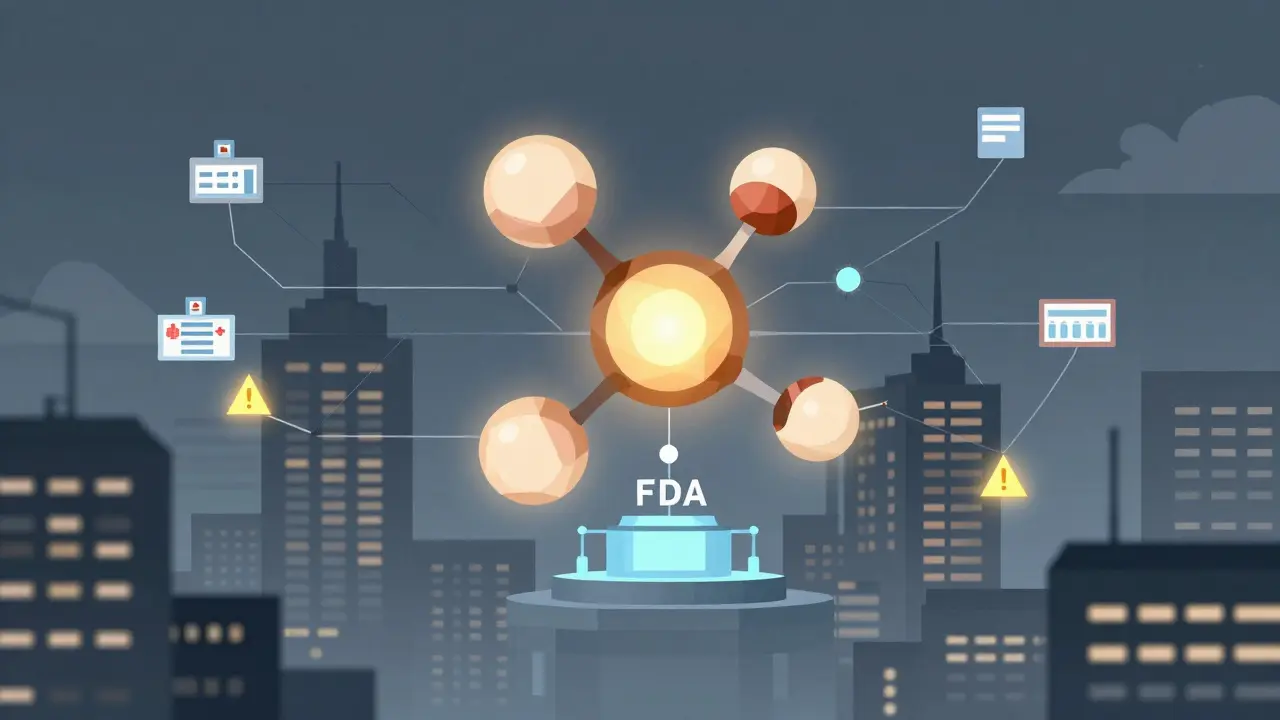
Learn how to effectively track post-marketing drug safety studies using FAERS, Sentinel, and real-world data. Understand signal detection, regulatory actions, and best practices for pharmacovigilance teams.
Continue reading...
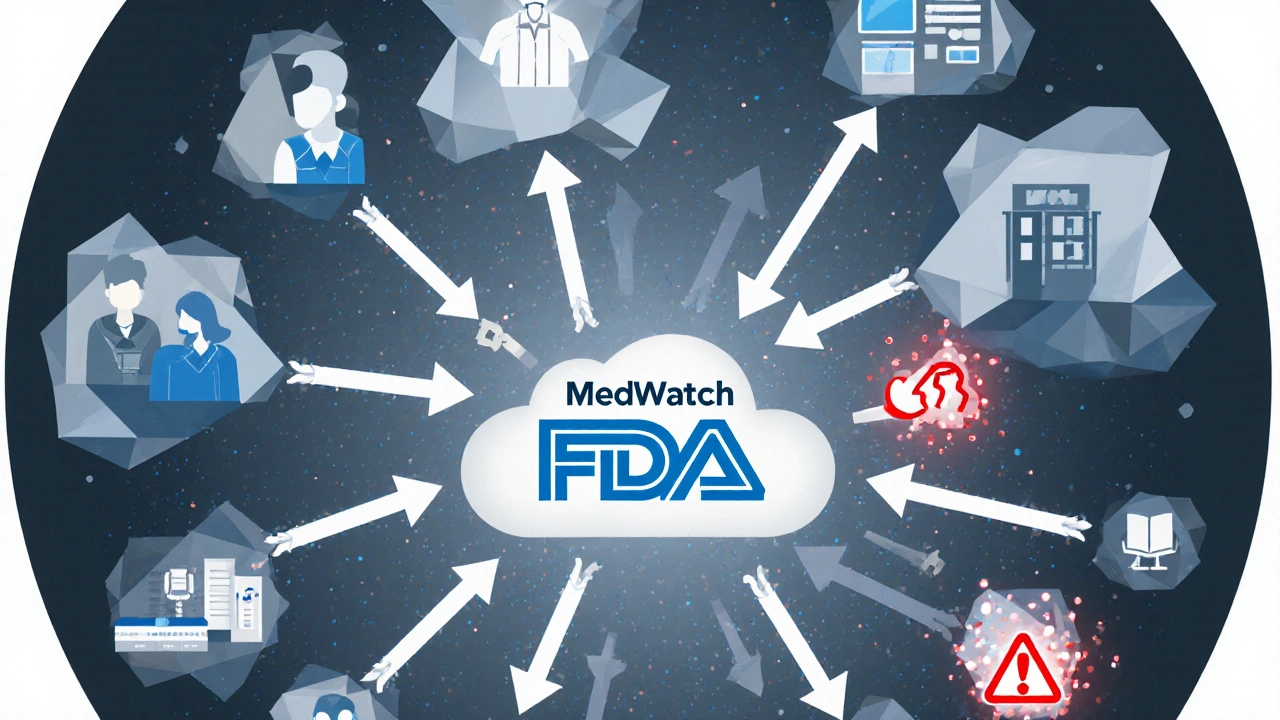
MedWatch is the FDA's system for collecting reports of side effects and safety issues with drugs, devices, and other medical products. Learn how it works, who reports, and why your report matters.
Continue reading...