Fentanyl Patches: How They Work, Risks, and What You Need to Know
When you hear fentanyl patches, a strong opioid pain medication delivered through the skin via a sticky patch. Also known as transdermal fentanyl, it's not meant for occasional pain—it's for people who need continuous, around-the-clock pain relief, often after other treatments have failed. These patches are not like taking a pill. They release medicine slowly over 72 hours, keeping a steady level in your blood. That’s why they’re used for chronic pain from cancer, severe arthritis, or major injuries—not for a bad back after lifting something heavy.
But here’s the thing: fentanyl patches are dangerous if used wrong. A single patch can contain enough drug to kill someone who’s never taken opioids before. That’s why they’re only prescribed when doctors are sure you’ve already built up a tolerance to other opioids. If you’re not used to strong painkillers, or if you take extra patches, crush them, or heat them up (like putting them in the microwave), you’re risking overdose—fast. The FDA has issued warnings about this for years, and emergency rooms still see cases every month.
People using fentanyl patches need to be watched closely. Side effects like drowsiness, nausea, or slowed breathing can sneak up on you. And if you suddenly stop using them, withdrawal can hit hard—sweating, shaking, anxiety, and intense pain. That’s why you never quit cold turkey. Your doctor should guide you through a slow taper. Also, keep patches away from kids and pets. Even a used patch still holds enough drug to be deadly. Store them safely, dispose of them properly (fold them in half with sticky sides together, then flush or take to a drug take-back site), and never share them with anyone.
Not everyone needs fentanyl patches. Many people manage chronic pain with physical therapy, non-opioid meds like gabapentin or naproxen, or even lifestyle changes like weight loss or better sleep. But for those who truly need them, fentanyl patches can be life-changing—if used correctly. They help people move again, sleep through the night, and get back to daily life without constant agony. The key isn’t just getting the patch—it’s understanding how to use it safely, knowing the signs of trouble, and staying in touch with your care team.
What you’ll find below are real, practical posts that dig into how these patches fit into broader pain treatment, what alternatives exist, how they interact with other meds, and what to watch for when your body reacts. No fluff. Just clear info from people who’ve been there—patients, doctors, and pharmacists who know the risks and how to manage them.
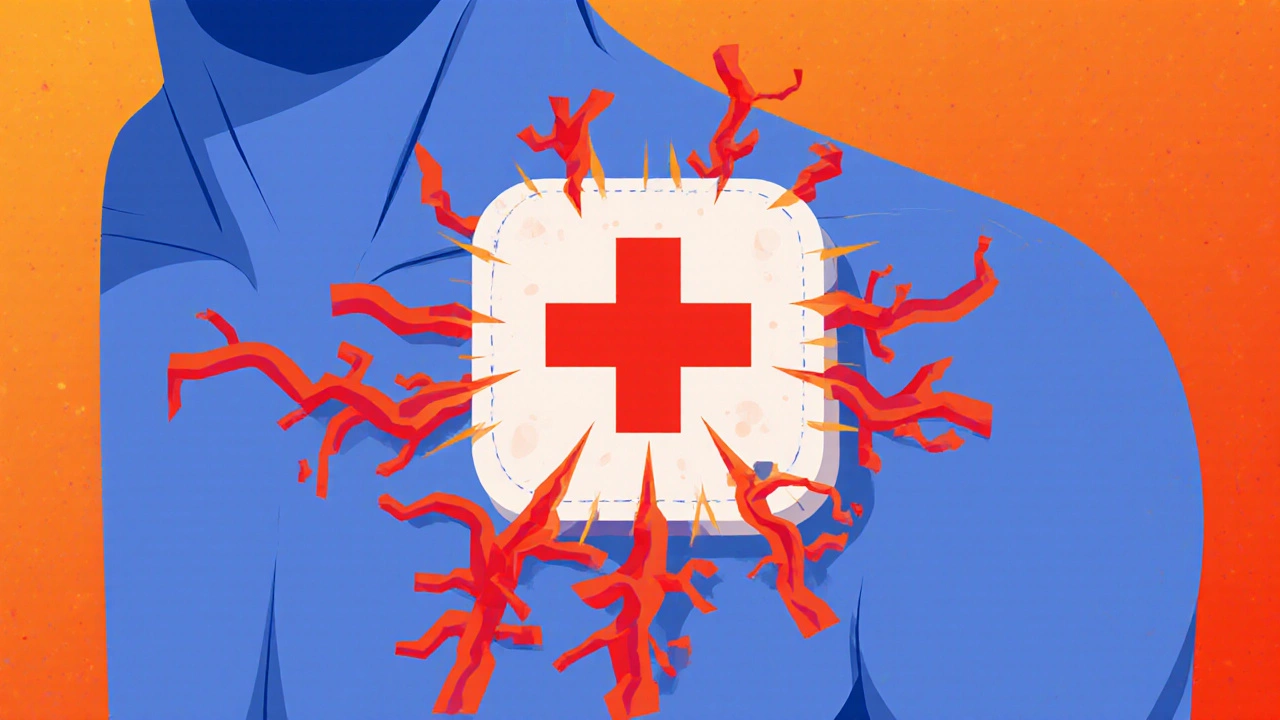
Fentanyl patches can be life-saving for chronic pain-but heat from showers, fever, or heating pads can cause deadly overdose. Learn what really happens when warmth meets the patch and how to stay safe.
Continue reading...