Fentanyl Safety: Understanding Risks, Overdose Prevention, and Proper Use
When we talk about fentanyl, a synthetic opioid up to 100 times stronger than morphine, used for severe pain under strict medical supervision. Also known as Sublimaze or Duragesic, it saves lives when used correctly—but kills just as easily when misused. This isn’t just a drug issue. It’s a safety issue that affects patients, families, and first responders alike.
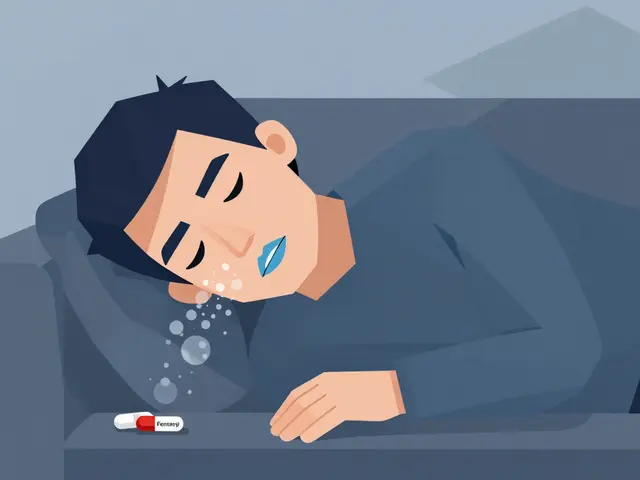
Fentanyl safety starts with knowing how dangerous it is. A dose as small as 2 milligrams can be fatal for someone who doesn’t have an opioid tolerance. That’s why it’s never okay to take someone else’s patch, crush a tablet, or use it without a prescription. Even handling a patch carelessly—like touching it and then your eyes or nose—can lead to accidental exposure. The naloxone, a life-saving medication that reverses opioid overdoses is your best defense. Keep it on hand if you or someone you know uses fentanyl. Know where it is. Know how to use it. And don’t wait to call 911—naloxone buys time, but medical help is still needed.
Many people don’t realize that fentanyl is often mixed into other drugs without the user’s knowledge. Pills sold as oxycodone or Xanax can actually contain fentanyl, and that’s how overdoses happen in people who think they’re taking something safer. If you’re using any illicit drug, assume it could be laced. Carry naloxone. Test strips are also available and can detect fentanyl in powder or pills. This isn’t fear-mongering—it’s harm reduction. And it works.
For patients prescribed fentanyl, safety means following instructions exactly. Don’t increase the dose because you’re still in pain—talk to your doctor. Don’t drink alcohol or take benzodiazepines with it. Don’t store it where kids or pets can reach it. Dispose of used patches properly—fold them in half with the sticky sides together and flush them or take them to a drug take-back site. These steps aren’t optional. They’re what keep you alive.
There’s a lot of misinformation out there. Some say fentanyl is too dangerous to ever use. Others say it’s fine if you’re careful. The truth? It’s a powerful tool in medicine, but it demands respect. The people who survive fentanyl overdoses often say the same thing: they didn’t think it could happen to them. That’s the trap. Fentanyl doesn’t care about your experience, your willpower, or your intentions. It only cares about dosage.
Below, you’ll find real-world advice from doctors, patients, and pharmacists on how to handle fentanyl safely—from recognizing early signs of overdose to managing side effects and knowing when to switch medications. These aren’t theoretical tips. They’re lessons learned from mistakes, near-misses, and lives saved. Whether you’re on fentanyl, care for someone who is, or just want to understand the risks, this collection gives you the facts you need to stay safe.
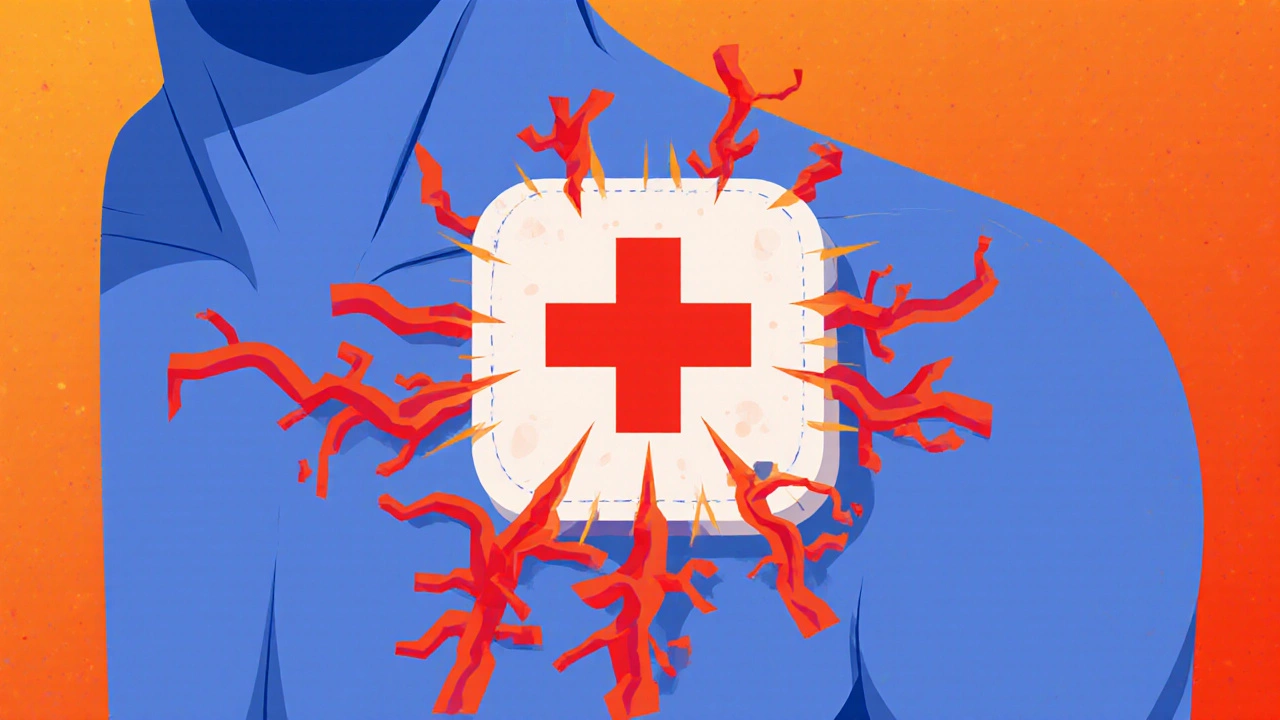
Fentanyl patches can be life-saving for chronic pain-but heat from showers, fever, or heating pads can cause deadly overdose. Learn what really happens when warmth meets the patch and how to stay safe.
Continue reading...