Transdermal Fentanyl: How It Works, Risks, and What You Need to Know
When you need long-lasting pain relief and oral meds aren’t cutting it, transdermal fentanyl, a potent opioid painkiller delivered through a patch worn on the skin. Also known as fentanyl patch, it’s designed for chronic pain that doesn’t respond to weaker drugs. It’s not for occasional aches—it’s for people who are already opioid-tolerant and need steady, around-the-clock control. Unlike pills that spike and drop, the patch releases medicine slowly over 72 hours. That’s why doctors use it for cancer pain, severe arthritis, or after major surgeries when pain won’t quit.
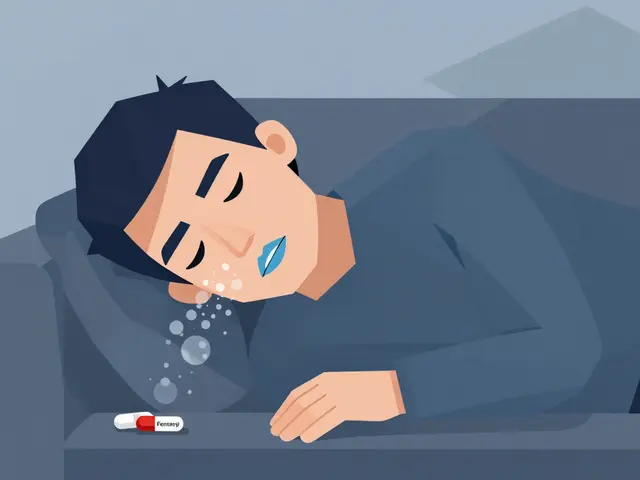
But here’s the catch: fentanyl patch, a transdermal delivery system for a drug 50 to 100 times stronger than morphine can be deadly if misused. Even a small change in temperature—like a hot bath or a heating pad—can make your body absorb too much too fast. And if you’re not already used to opioids, this isn’t the place to start. The FDA has issued warnings because people have died from accidental exposure, especially kids who find discarded patches. It’s not just about taking it right—it’s about storing it right, disposing of it right, and knowing who shouldn’t touch it.
People on this patch often need to monitor for side effects like dizziness, nausea, or trouble breathing. Some switch to alternatives like opioid therapy, a broader category of pain management using controlled substances with different delivery methods—oral extended-release tablets, injections, or even non-opioid options like gabapentin or nerve blocks. The goal isn’t just to numb pain, but to keep you functional without risking overdose.
What you’ll find in the posts below isn’t just a list of drug facts. It’s real talk from people managing chronic pain, clinicians explaining why patches get prescribed, and warnings about what happens when safety gets ignored. You’ll see how transdermal fentanyl fits into larger conversations about opioid safety, medication adherence, and the hidden risks of long-term pain treatment. Whether you’re on it, caring for someone who is, or just trying to understand why this patch is both a lifeline and a liability—this collection gives you what you need to make smart, safe choices.
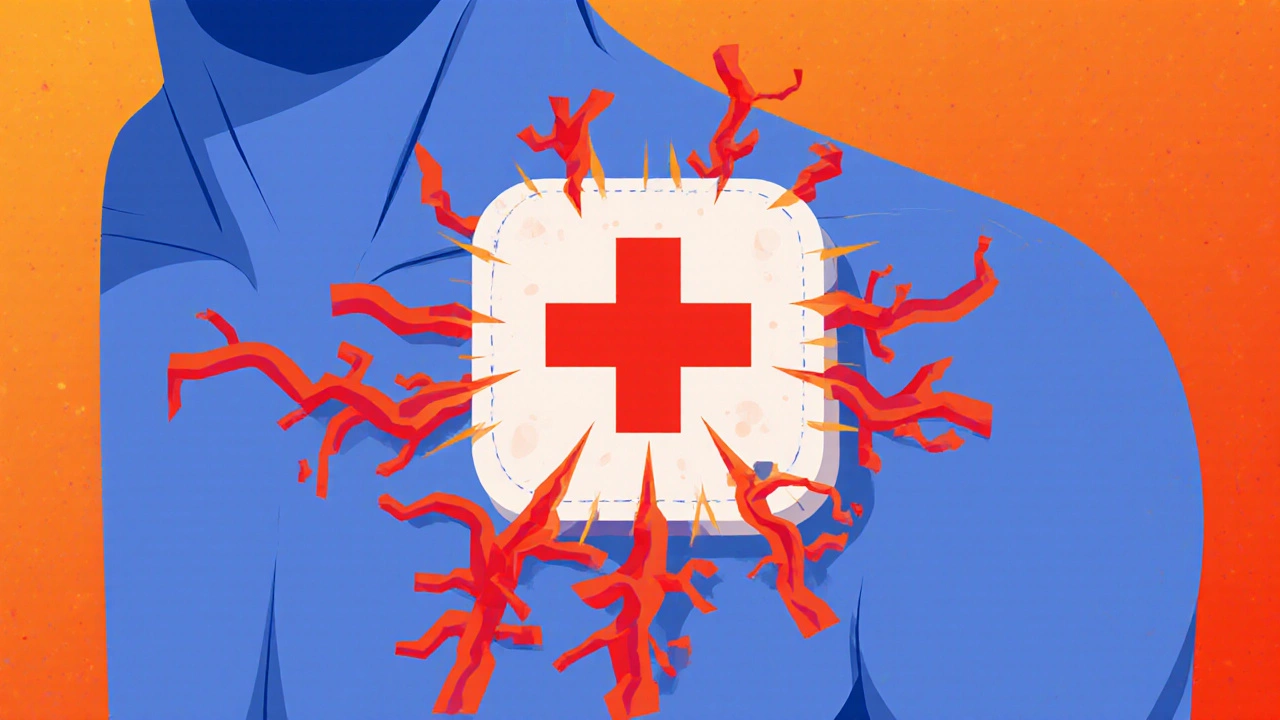
Fentanyl patches can be life-saving for chronic pain-but heat from showers, fever, or heating pads can cause deadly overdose. Learn what really happens when warmth meets the patch and how to stay safe.
Continue reading...