Cataplexy Symptoms: What They Are, What Causes Them, and How They’re Managed
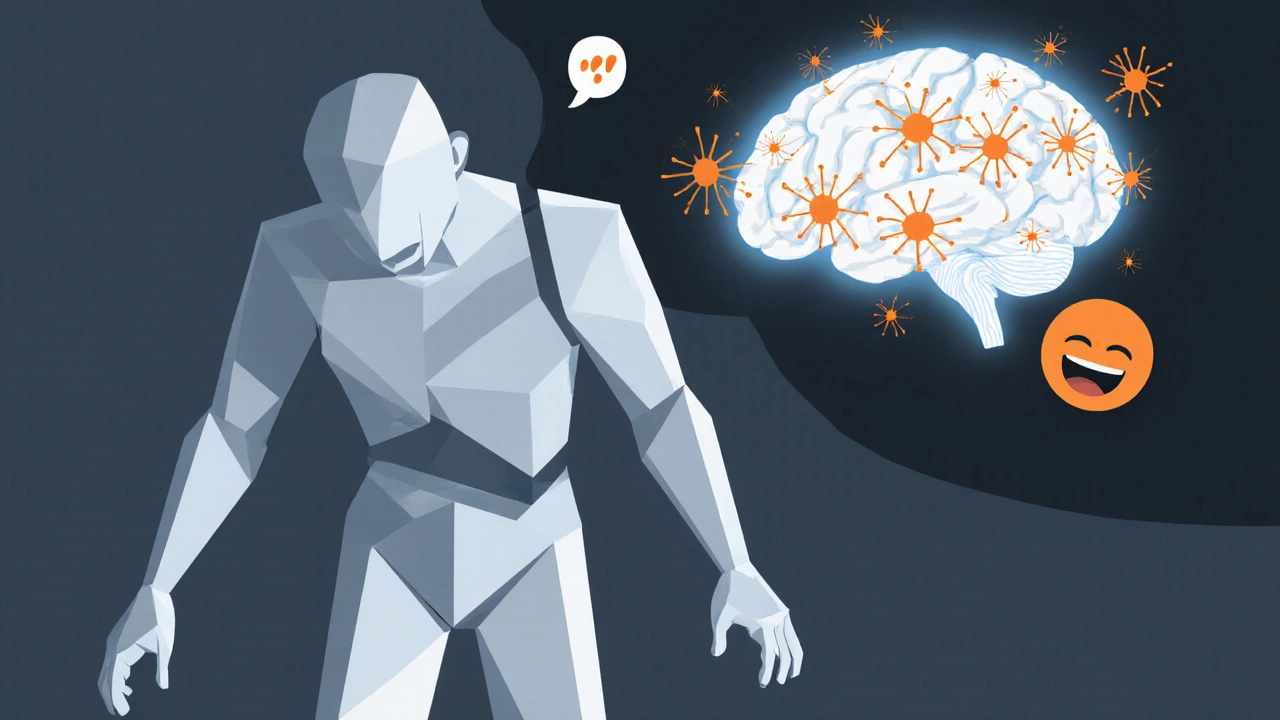
When someone experiences cataplexy symptoms, a sudden, temporary loss of muscle control triggered by strong emotions like laughter or surprise. It’s not just feeling tired—it’s your body shutting down for a few seconds, sometimes while you’re fully awake. This isn’t fainting. You don’t lose consciousness. You’re aware. You can hear, see, and think—but your legs give out, your head drops, or your face goes slack. It’s scary. And it’s real.
These episodes are almost always tied to narcolepsy, a chronic sleep disorder that disrupts the brain’s ability to regulate sleep-wake cycles. About 70% of people with narcolepsy have cataplexy. It’s not caused by stress or anxiety alone. It’s a neurological glitch—your brain accidentally sends signals to relax muscles during waking hours, just like it does during REM sleep. That’s why strong emotions, especially laughter, anger, or surprise, are the biggest triggers. A joke that makes you laugh too hard? Boom. Your knees buckle. A heated argument? Your arms go limp. It’s not voluntary. And it’s not in your head.
People often mistake cataplexy for seizures or strokes. But there’s no shaking, no loss of awareness, no confusion after. It’s clean. Quick. And it ends as suddenly as it starts—usually within a minute. The key difference? Seizures come from abnormal electrical activity in the brain. Cataplexy comes from a breakdown in the chemical signals that keep muscles tense during emotion. The brain’s hypocretin, a neurotransmitter that helps stabilize wakefulness and muscle tone, is missing or low in most people with cataplexy. That’s why treatments focus on replacing or mimicking its function.
Doctors don’t just guess. They use sleep studies, blood tests, and detailed symptom logs to confirm it. And once they do, treatment isn’t about fixing the root cause—it’s about managing the symptoms. Medications like sodium oxybate or certain antidepressants help block the muscle weakness. Lifestyle changes matter too—planning your day around known triggers, avoiding extreme emotional highs, and keeping a consistent sleep schedule. It’s not about avoiding life. It’s about navigating it smarter.
You won’t find a cure in a pill. But you can find control. Many people with cataplexy live full lives—work, travel, raise families—once they understand their triggers and have the right tools. It’s not about hiding. It’s about knowing when your body might react, and how to respond without panic.
Below, you’ll find real patient stories, treatment comparisons, and practical guides on managing sudden muscle weakness without guessing. No fluff. No jargon. Just what works.
Narcolepsy with cataplexy is a rare neurological disorder causing uncontrollable sleepiness and sudden muscle weakness triggered by emotions. Diagnosis requires specialized sleep tests and CSF hypocretin testing. Sodium oxybate (Xyrem/Xywav) is the only treatment proven to reduce both cataplexy and daytime sleepiness.
Continue reading...