GDM Nutrition: What to Eat and Avoid for Gestational Diabetes Management
When you're diagnosed with Gestational Diabetes Mellitus, a type of diabetes that develops during pregnancy and affects how your body uses sugar. It's not your fault, and it's not permanent—but it does need careful management. Also known as GDM, this condition affects about 1 in 10 pregnant women, and the right GDM nutrition plan can keep both you and your baby healthy.
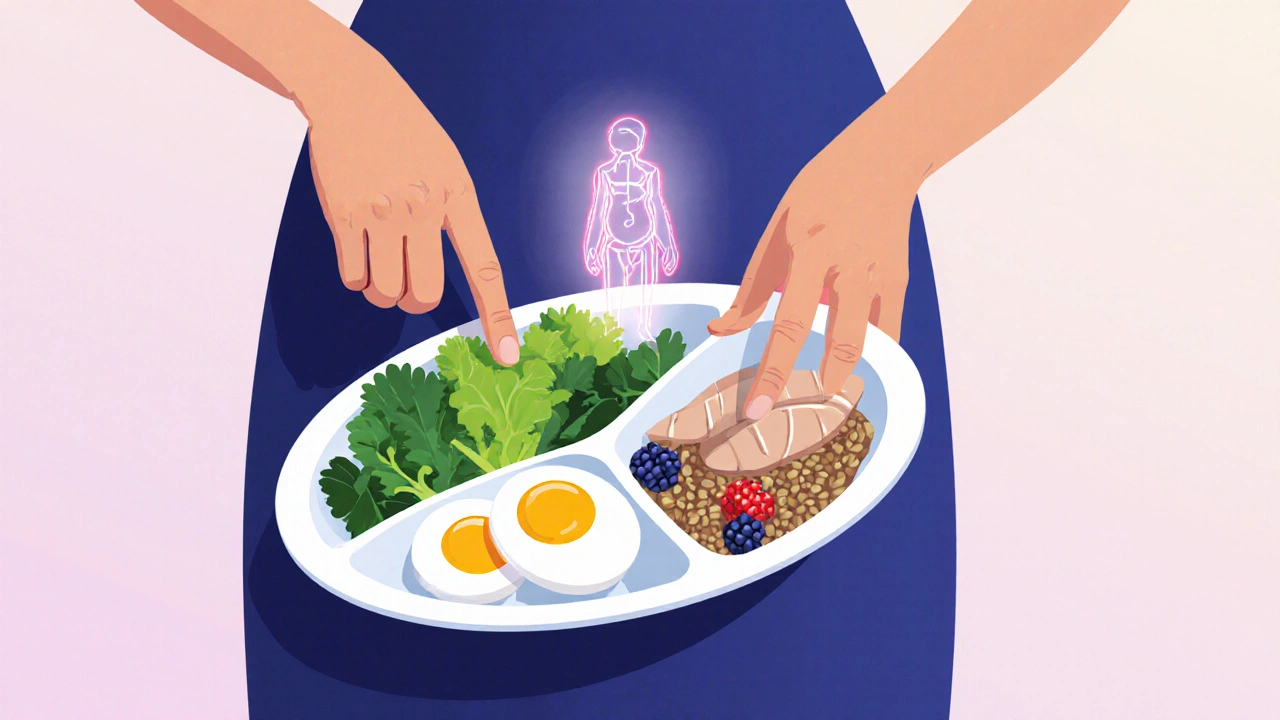
What you eat directly affects your blood sugar levels, which in turn impacts your baby’s growth and your risk of complications like preeclampsia or needing a C-section. The goal isn’t to starve yourself or cut out carbs entirely—it’s to choose the right kinds, at the right times. Whole grains, legumes, non-starchy vegetables, lean proteins, and healthy fats are your allies. Foods like oats, lentils, broccoli, chicken, avocado, and nuts help slow sugar absorption and keep you full longer. On the flip side, sugary drinks, white bread, pastries, and processed snacks cause sharp spikes that your body struggles to handle during pregnancy. Even fruit needs careful portioning—bananas and grapes are fine in small amounts, but juice? Skip it.
Timing matters just as much as what you eat. Eating smaller meals every 3–4 hours prevents blood sugar crashes and spikes. Pairing carbs with protein or fat—like an apple with peanut butter or whole grain toast with eggs—makes a huge difference. Many women find that their morning blood sugar is highest, so they adjust breakfast to include more protein and fewer carbs. Your doctor or dietitian might recommend checking your sugar levels before and after meals to see what works. And yes, exercise helps too—a 20-minute walk after dinner can lower your numbers better than any supplement.
Don’t be fooled by myths. You don’t need to eat for two—just eat smarter. You don’t need to avoid all sweets forever—occasional treats are fine if planned. And you’re not alone—most women with GDM go on to have healthy babies and return to normal blood sugar after delivery. The real challenge? Sticking to a plan when you’re tired, hungry, and hormonal. That’s why practical, real-life tips matter more than rigid rules.
Below, you’ll find real guides from women who’ve walked this path—how to build a daily meal plan, which supplements are actually helpful, how to handle cravings without guilt, and what to do when your numbers won’t budge. These aren’t theory pages. They’re battle-tested advice from people who’ve been there.
Learn practical meal plans and blood sugar targets for gestational diabetes that work without medication. Based on ADA, ACOG, and real-world data from thousands of pregnant women.
Continue reading...