Narcolepsy with Cataplexy: Symptoms, Causes, and Management Options
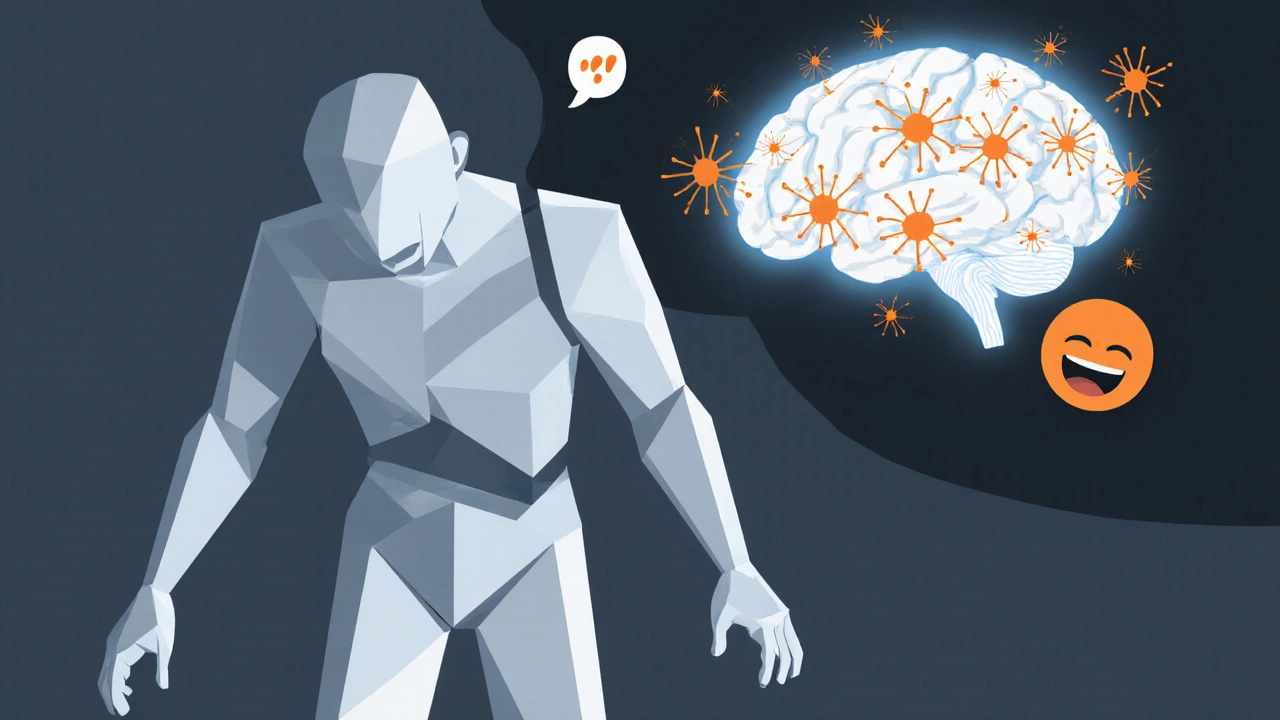
When you think of sleep disorders, you might picture insomnia or snoring—but narcolepsy with cataplexy, a neurological condition that disrupts the brain’s ability to regulate sleep-wake cycles. Also known as type 1 narcolepsy, it’s not just about being tired—it’s about your body suddenly losing muscle control while you’re awake. Imagine laughing at a joke, then collapsing because your legs give out. Or feeling wide awake, then falling asleep mid-sentence. That’s cataplexy—sudden, brief muscle weakness triggered by strong emotions like joy, anger, or surprise. It’s not a seizure. It’s not fainting. It’s your brain misfiring in the middle of consciousness.
This condition is tied to low levels of hypocretin, a brain chemical that helps control wakefulness and REM sleep. Most people with narcolepsy and cataplexy have lost 90% or more of their hypocretin-producing neurons, often due to an autoimmune reaction. It’s not caused by stress or poor sleep habits—it’s a biological issue, and it usually starts in teens or young adults. People with this condition also struggle with excessive daytime sleepiness, an unshakable need to nap, even after a full night’s rest. These naps don’t refresh them—they’re short, intense, and often followed by more fatigue.
Diagnosis isn’t simple. Sleep studies, multiple sleep latency tests, and blood tests for hypocretin levels are needed. Many people wait years before getting the right answer because doctors mistake it for depression, laziness, or ADHD. But once diagnosed, treatment can change everything. Medications like sodium oxybate and modafinil help manage sleepiness and cataplexy. Lifestyle tweaks—like scheduled naps, avoiding alcohol, and keeping a steady sleep schedule—make a real difference. And while there’s no cure, people with this condition can live full, active lives with the right support.
Below, you’ll find real-world guides on managing sleep disorders, avoiding medication mistakes, and understanding how drugs interact with your body’s natural rhythms. These aren’t theoretical articles—they’re tools built from patient experiences and clinical data. Whether you’re newly diagnosed or helping someone who is, you’ll find practical steps that work.
Narcolepsy with cataplexy is a rare neurological disorder causing uncontrollable sleepiness and sudden muscle weakness triggered by emotions. Diagnosis requires specialized sleep tests and CSF hypocretin testing. Sodium oxybate (Xyrem/Xywav) is the only treatment proven to reduce both cataplexy and daytime sleepiness.
Continue reading...