Verify Pharmacy: How to Spot Legitimate Online Pharmacies and Avoid Fake Sources
When you need medication, especially generics, verify pharmacy, a process to confirm an online pharmacy is licensed, safe, and legally operating. Also known as pharmacy validation, it’s not just a precaution—it’s a lifesaver. Every year, thousands of people buy drugs from fake websites that sell fake pills, contaminated batches, or no medicine at all. The FDA and WHO warn that over 50% of online pharmacies operate illegally. If you’re buying pills online, you need to know how to tell the real ones from the scams.
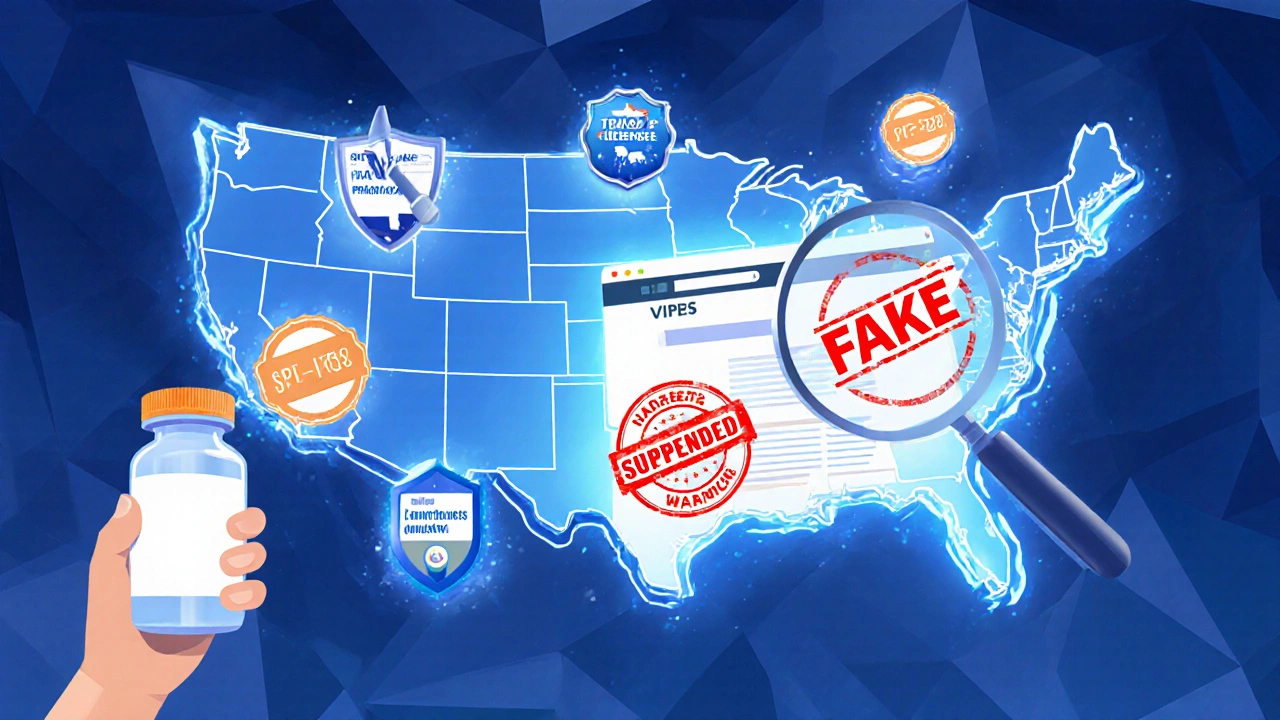
How do you verify pharmacy sources? Start by checking if the site requires a valid prescription. Legit pharmacies won’t sell controlled drugs without one. Look for a physical address and phone number—not just a contact form. Then, cross-check the pharmacy’s license with your country’s drug regulator. In the U.S., that’s the National Association of Boards of Pharmacy (NABP) via their Verified Internet Pharmacy Practice Sites (VIPPS) program. In the EU, it’s the national medicines agency. If the site doesn’t display its license number or you can’t find it online, walk away. Fake sites often use fake seals, copied logos, and urgent sales language like "Limited stock!" or "No prescription needed!"—red flags that scream scam.
Another key part of online pharmacy safety, the practice of ensuring you’re purchasing from a trustworthy source that follows legal and medical standards is checking the drugs themselves. Legit pharmacies sell generics that match the brand in active ingredients, dosage, and bioequivalence. If the pills look different, taste odd, or don’t work like they should, it’s a sign of counterfeit drugs. Sites that sell medications like fentanyl patches, antibiotics, or blood pressure pills without proper labeling or dosage info are dangerous. You can’t trust a pharmacy that doesn’t list the manufacturer, batch number, or expiration date. Real pharmacies do.
Don’t forget about generic drug verification, the process of confirming that a generic medication is approved, properly manufactured, and identical in effect to its brand-name counterpart. Many fake sites claim to sell "FDA-approved generics"—but they’re just repackaged filler. Real generics go through strict testing. Check the drug’s INN (International Nonproprietary Name) and compare it to trusted sources like the FDA’s Orange Book or WHO’s Essential Medicines List. If the price is too good to be true—like $10 for a 30-day supply of a $200 brand drug—it probably is.
People who buy from unverified sites risk everything: poisoning, allergic reactions, antibiotic resistance, or even death. There’s no second chance with fake pills. The good news? Legit online pharmacies exist. They’re transparent, regulated, and often partner with real doctors for telehealth consultations. They’re also the same ones that supply hospitals and clinics with affordable generics. When you take the time to legitimate pharmacy, a pharmacy that is legally licensed, follows regulatory standards, and dispenses safe, verified medications, you’re not just saving money—you’re protecting your health.
Below, you’ll find real-world examples of how people got tricked by fake pharmacies, what regulators found in undercover tests, and how to check your own pharmacy using simple tools. These aren’t theory pieces—they’re lessons from actual cases, backed by reports from the FDA, WHO, and health agencies around the world. You’ll also see how patent laws, compulsory licensing, and generic drug policies affect what’s available—and how to make sure you’re getting what’s real.
Learn how to verify a licensed pharmacy and avoid counterfeit drugs. Discover red flags, official verification tools like NABP Verify and VIPPS, and what to do if you’ve bought fake medication.
Continue reading...