Anti-Histone Antibodies: What They Mean and How They Relate to Autoimmune Diseases
When your immune system turns against your own body, it sometimes targets anti-histone antibodies, autoantibodies that bind to histone proteins in the cell nucleus, often signaling an autoimmune response. Also known as histone antibodies, they’re one of the clearest lab clues that your immune system is misfiring—especially in conditions like lupus or drug-induced lupus. Unlike general inflammation markers, anti-histone antibodies are specific. They don’t just say "something’s wrong." They point to a particular kind of wrong—where your body attacks the very structure holding your DNA together.
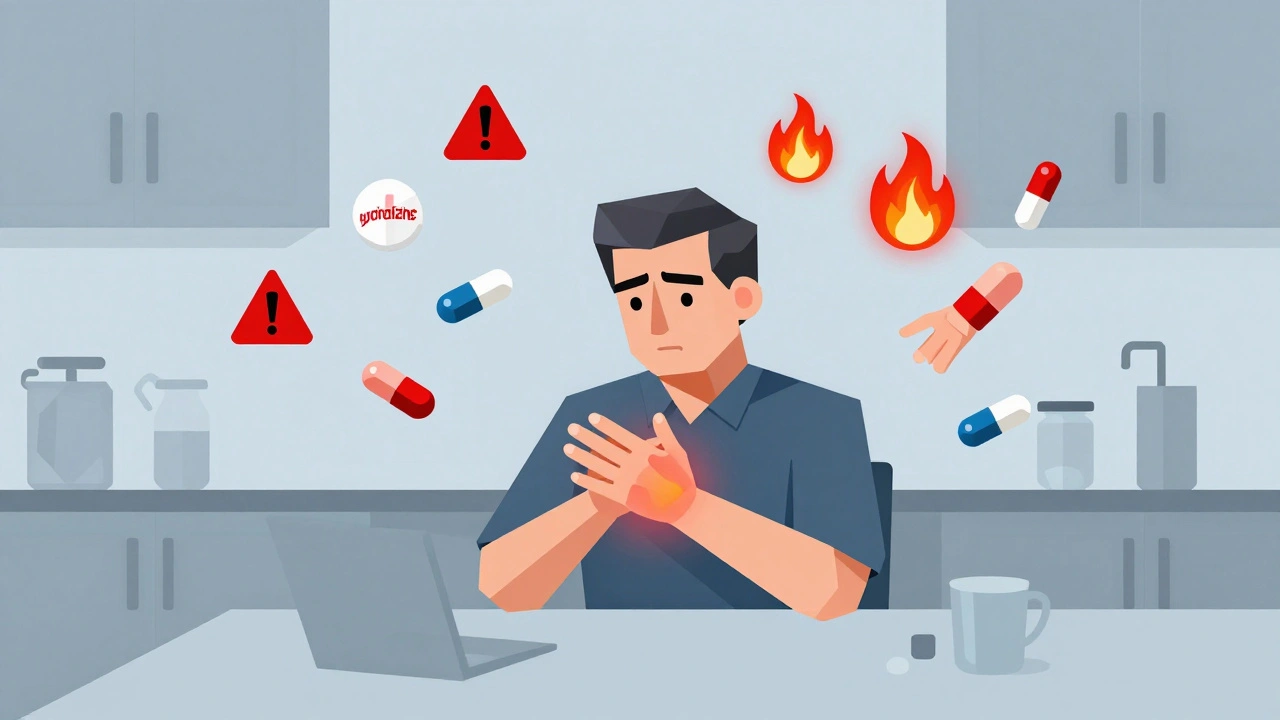
These antibodies are most common in drug-induced lupus, a reversible form of lupus triggered by certain medications like hydralazine, procainamide, or minocycline. People with this condition often test positive for anti-histone antibodies but rarely have the severe organ damage seen in systemic lupus erythematosus. That’s why doctors check for them: to tell if your symptoms are from a drug reaction or a deeper autoimmune problem. It’s also why knowing your meds matters—some drugs can trigger this response even if you’ve never had lupus before.
Anti-histone antibodies also show up in about 50-70% of people with systemic lupus erythematosus, the most common form of lupus, which can affect skin, joints, kidneys, and other organs. But here’s the catch: they’re not enough on their own to diagnose it. You need other signs—rashes, joint pain, kidney issues, or other antibodies like anti-dsDNA. Still, when they show up with those symptoms, they help confirm the picture. And if you’re on long-term medication for high blood pressure, heart rhythm, or even acne, knowing about this link could explain new symptoms you didn’t expect.
What’s interesting is how often these antibodies pop up in studies tied to medication safety and side effects. For example, when someone develops joint pain or a rash after starting a new drug, labs often check for anti-histone antibodies to rule out drug-induced lupus. That’s why posts about generic medications, medication side effects, and drug safety often tie back to these antibodies—they’re part of the hidden chain between what you take and how your body reacts. You might not think about your blood test results when picking up a prescription, but those results can reveal a lot about whether a drug is triggering an immune response.
This isn’t just about diagnosis. It’s about understanding why some people react differently to the same meds. One person takes hydralazine for years with no issues. Another develops fatigue and joint pain—and their blood test shows high anti-histone antibodies. The drug didn’t change. Their immune system did. That’s why knowing your markers matters, especially if you’re managing chronic conditions or switching between brand and generic versions of the same drug. Even small differences in inactive ingredients can trigger immune reactions in sensitive people.
Below, you’ll find real-world guides on how medications connect to immune responses, how to spot hidden side effects, and what to ask your doctor when something doesn’t feel right. These aren’t abstract science articles—they’re practical tools for people who’ve been told "it’s just allergies" or "it’s stress" when their body was actually sending a clearer signal all along.
Drug-induced lupus mimics autoimmune lupus but is caused by certain medications. Symptoms include joint pain, fatigue, and fever. The good news? It usually reverses completely after stopping the drug. Learn how to recognize it and recover.
Continue reading...