ARBs: What They Are, How They Work, and Why They Matter for Blood Pressure
When your blood pressure stays too high, your heart and kidneys pay the price. ARBs, or angiotensin receptor blockers, are a type of medication designed to stop this damage by blocking a hormone called angiotensin II. Also known as sartans, ARBs help relax blood vessels so your heart doesn’t have to work as hard, and they’re often prescribed when other drugs like ACE inhibitors cause a persistent cough. Unlike some older blood pressure pills, ARBs don’t cause that dry, irritating cough that sends people running to their doctor — which is why so many patients end up switching to them.
They’re not just about lowering numbers on a monitor. ARBs, like losartan and valsartan, are also used to protect kidneys in people with diabetes and to improve survival after a heart attack. They work differently than ACE inhibitors — they don’t stop the hormone from forming, but they block its effect at the receptor level. This small difference means fewer side effects for many people. And because they’re available as generics, they’re one of the most affordable options for long-term use. Hydrochlorothiazide, a common water pill, is often combined with ARBs in a single pill to boost effectiveness — a combo you’ll see in posts comparing ARBs to other blood pressure treatments. These combinations are common because high blood pressure rarely needs just one drug to stay under control.
What you’ll find in the collection below isn’t just a list of articles — it’s a practical guide for anyone trying to understand why ARBs are prescribed, how they stack up against other meds like beta blockers or diuretics, and what real-world trade-offs patients face. You’ll see how ARBs fit into broader conversations about generic drug access, patent loopholes, and why doctors sometimes hesitate to switch patients even when the science says they should. Whether you’re managing your own blood pressure, helping a family member, or just trying to make sense of your prescription, these posts cut through the noise and give you clear, grounded answers — no fluff, no jargon, just what you need to know.
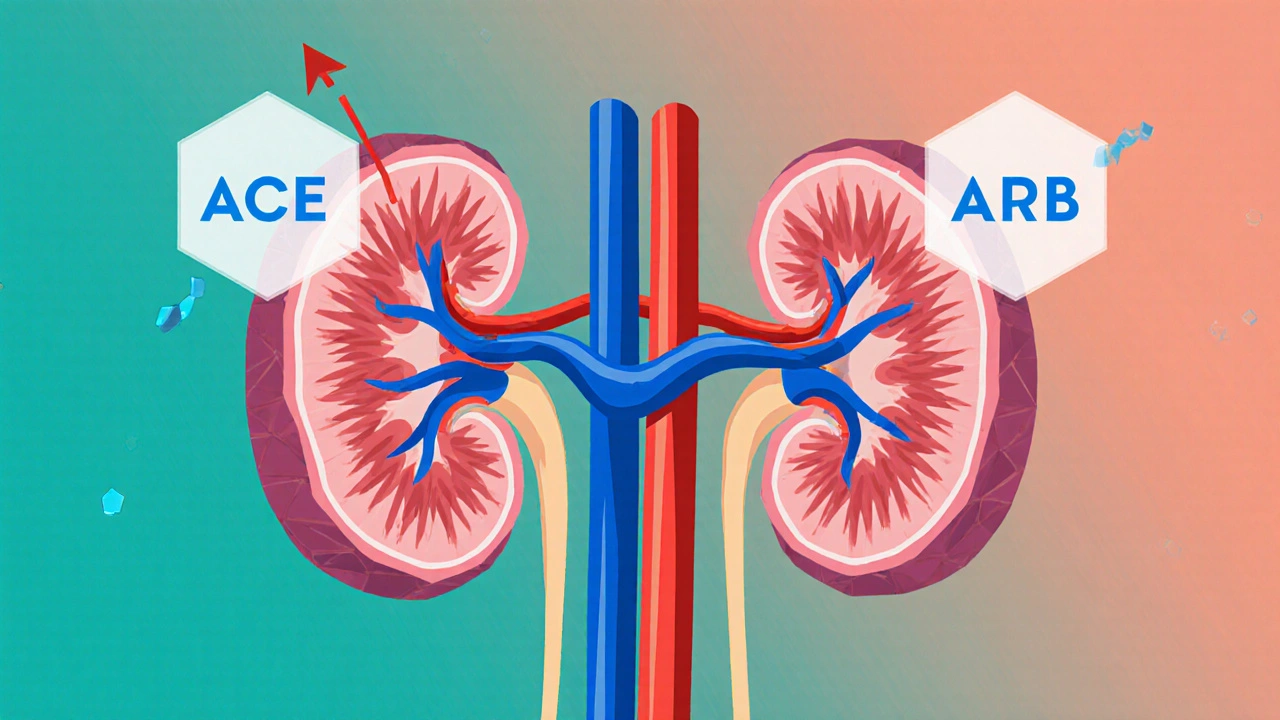
ACE inhibitors and ARBs are the most effective blood pressure drugs for protecting kidneys in chronic kidney disease. They reduce proteinuria, slow kidney decline, and are safe even in advanced stages when monitored properly.
Continue reading...