Corticosteroid Use: What You Need to Know About Benefits, Risks, and Real-World Use
When you hear corticosteroid use, a class of powerful anti-inflammatory drugs that mimic hormones your body naturally produces. Also known as steroids, they’re not the same as the muscle-building kind you hear about in sports. These are prescription medications used to treat everything from asthma flare-ups to severe allergies, autoimmune diseases, and skin conditions like eczema. They work fast—often within hours—and can be life-saving when your immune system goes haywire. But they’re not harmless. Long-term corticosteroid use can lead to weight gain, high blood sugar, bone thinning, and even mood changes. That’s why knowing when they’re needed—and when they’re not—is just as important as knowing how to take them.
Corticosteroid use often comes up alongside inflammation treatment, the process of reducing swelling, redness, and pain caused by the body’s immune response. Whether it’s a flare-up of rheumatoid arthritis or a bad case of allergic rhinitis, corticosteroids shut down the overactive signals causing damage. But they’re not the only tool. Many people turn to corticosteroid alternatives, other medications or lifestyle approaches that manage inflammation without the same side effect profile, like biologics for autoimmune disease or nasal sprays for seasonal allergies. Even simple changes—like reducing sugar intake or managing stress—can lower chronic inflammation over time, making steroid use less necessary.
What you won’t find in most doctor’s office brochures is how often corticosteroid use is mismanaged. Some patients stop too soon because they feel better, only to have symptoms crash back. Others stay on them way too long, not realizing the hidden toll on their bones, blood pressure, or mental health. The real challenge isn’t just using these drugs—it’s knowing how to use them wisely. That’s why the articles below cover practical topics: how to reduce steroid dependence, what to watch for with long-term use, how to avoid dangerous interactions, and even how to safely taper off. You’ll also find real stories from people who’ve navigated these drugs, plus clear comparisons to other treatment paths. No hype. No jargon. Just what works—and what to watch out for.
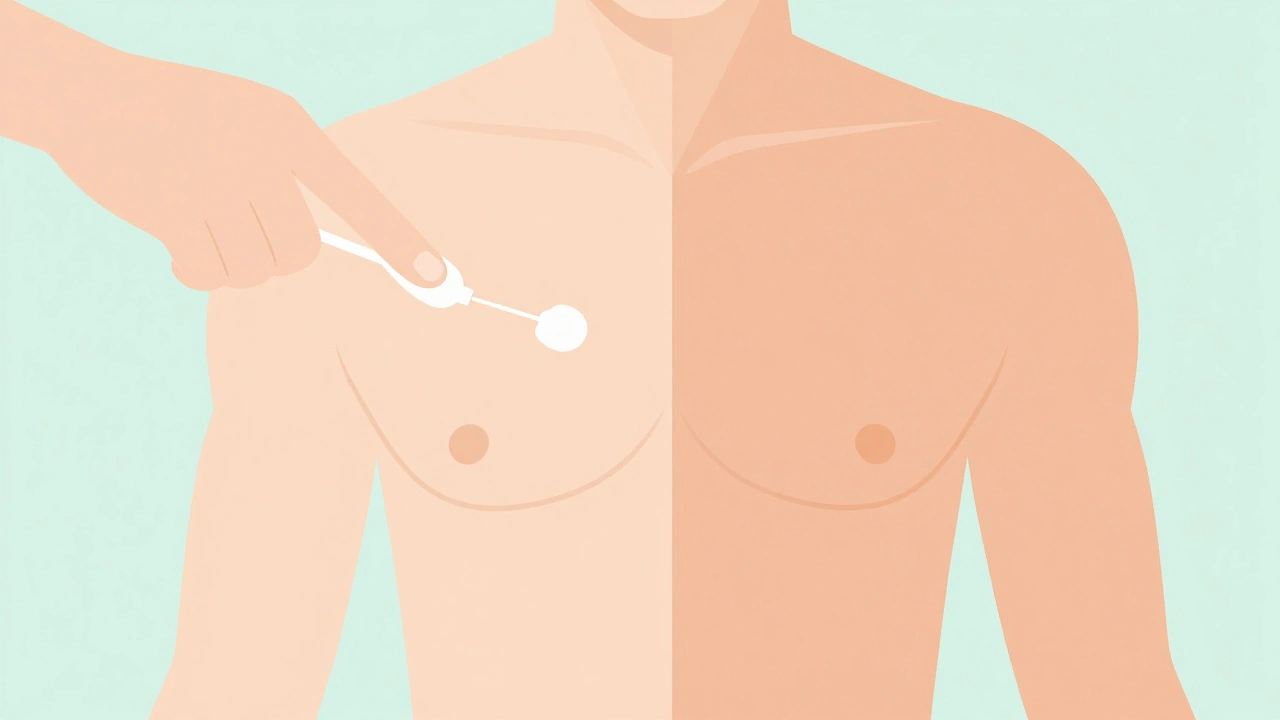
Topical steroids are effective for eczema and psoriasis but can cause skin thinning if misused. Learn how to apply them safely, avoid side effects, and when to switch to non-steroidal alternatives.
Continue reading...