Drug-Induced Lupus: Causes, Symptoms, and Medications That Trigger It
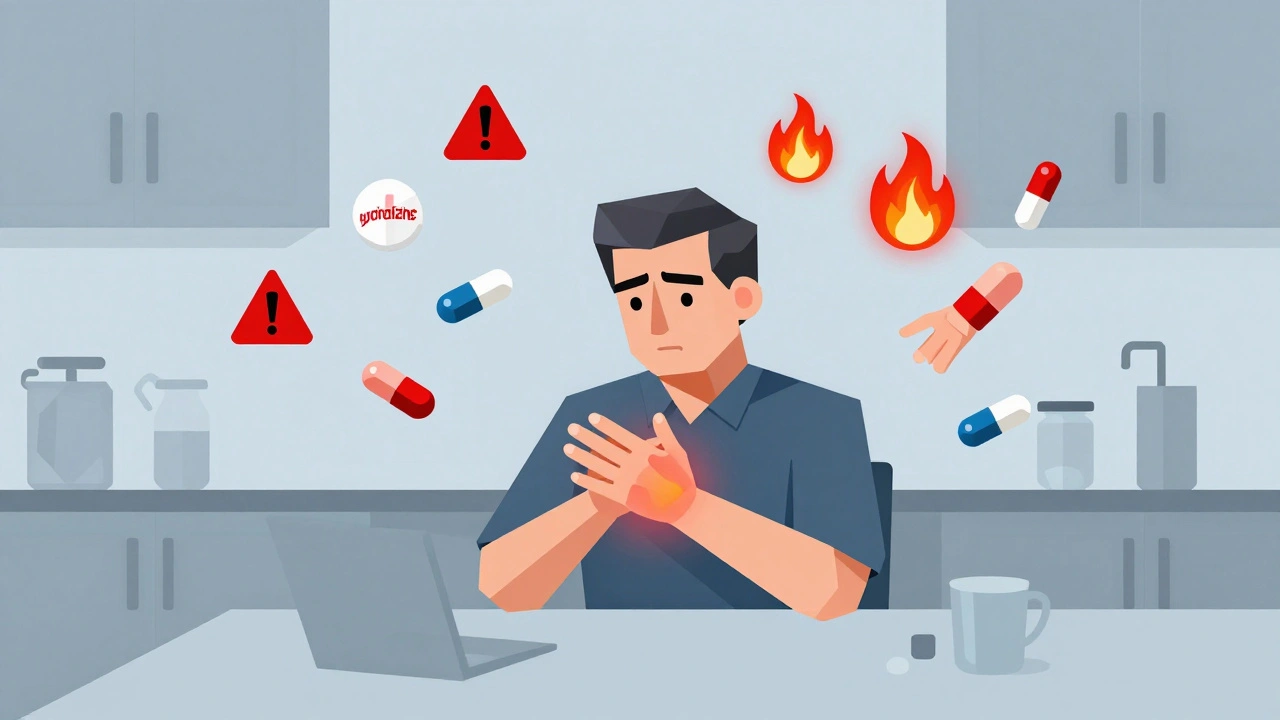
When your body turns on itself because of a medicine you’re taking, that’s drug-induced lupus, an autoimmune condition triggered by specific medications that mimics systemic lupus erythematosus. Also known as drug-induced systemic lupus erythematosus, it’s not the same as the inherited form of lupus—but it can still cause joint pain, fatigue, fever, and rashes. The good news? It usually goes away once you stop the drug.
Not every medicine causes this, but some are well-documented culprits. Hydralazine, a blood pressure drug, is one of the most common triggers. So is procainamide, used for irregular heart rhythms. Even minocycline, an antibiotic often prescribed for acne, has been linked to cases. These drugs don’t affect everyone—only certain people with specific genetic makeups—but if you’ve been on them for months or years and suddenly feel unwell, it’s worth asking your doctor.
What makes drug-induced lupus tricky is that its symptoms look almost identical to regular lupus: achy joints, chest pain when breathing, sun-sensitive rashes, and constant tiredness. But unlike systemic lupus, it rarely damages kidneys or the brain. Blood tests can help tell them apart—especially checking for antinuclear antibodies (ANA) and anti-histone antibodies, which are common in drug-induced cases. The key difference? Once you stop the medicine, symptoms often fade within weeks. No long-term immunosuppressants needed.
It’s not just old drugs. Even newer ones like infliximab, a biologic used for rheumatoid arthritis and Crohn’s, have shown links. That’s why monitoring matters. If you’re on any long-term medication and start having unexplained flu-like symptoms, don’t brush it off. Keep a symptom log. Note when you started the drug. Share it with your provider. It could be nothing—or it could be something simple to fix.
There’s no magic test to predict who’ll get it. But if you’ve had drug-induced lupus once, you shouldn’t take that same drug again. Ever. And if you’re on multiple meds—especially for chronic conditions—you need to know the risks. This isn’t about avoiding treatment. It’s about being smart with it. Many of the posts below dive into how to spot hidden side effects, how to talk to your doctor about medication safety, and how to recognize when something’s off before it becomes serious.
Below, you’ll find real, practical guides on how to track medication reactions, understand why some drugs are riskier than others, and what to do if you think your medicine is causing more harm than good. No guesswork. No fluff. Just what you need to stay safe while staying treated.
Drug-induced lupus mimics autoimmune lupus but is caused by certain medications. Symptoms include joint pain, fatigue, and fever. The good news? It usually reverses completely after stopping the drug. Learn how to recognize it and recover.
Continue reading...