Generic Medications: What They Are, How They Work, and When They're Your Best Choice
When you hear generic medications, copies of brand-name drugs that contain the same active ingredients, work the same way, and meet the same safety standards. Also known as generic drugs, they make up over 90% of prescriptions filled in the U.S. and save patients billions every year. But not all generic medications are treated the same—some doctors still hesitate to prescribe them, and not all pharmacies stock the same versions. The truth? Most generics are just as safe and effective as the brand name, but there are important exceptions you need to know about.
The FDA Office of Generic Drugs, the branch responsible for reviewing and approving all generic drugs in the U.S. doesn’t just rubber-stamp applications. They require every generic to prove it delivers the same amount of active ingredient into your bloodstream at the same rate as the brand—this is called bioequivalence, the scientific standard that ensures a generic performs the same way in your body as the original. But even with this strict process, some drugs like levothyroxine or warfarin have narrow therapeutic windows, meaning tiny differences in absorption can matter. That’s why doctors sometimes write "Do Not Substitute" on prescriptions. It’s not about distrust—it’s about precision.
Behind the scenes, companies fight over patents and exclusivity periods, and governments use compulsory licensing, a legal tool that lets nations override patents to make life-saving drugs affordable during crises. Meanwhile, generic prescribing incentives, programs that reward doctors for choosing lower-cost generics are changing how prescriptions are written. But education still lags—many doctors were never trained to fully trust bioequivalence data, and old habits die hard. That’s why you might hear "the brand works better," even when science says otherwise.
What you’ll find here isn’t just theory. These articles cover real-world cases: how fiber supplements can block absorption of your thyroid meds, why heat can turn a fentanyl patch deadly, how to tell if your pharmacy is selling fake pills, and why some people need brand-name drugs even when generics exist. You’ll learn how to spot red flags, ask the right questions, and make sure your medication does what it’s supposed to—without overpaying.
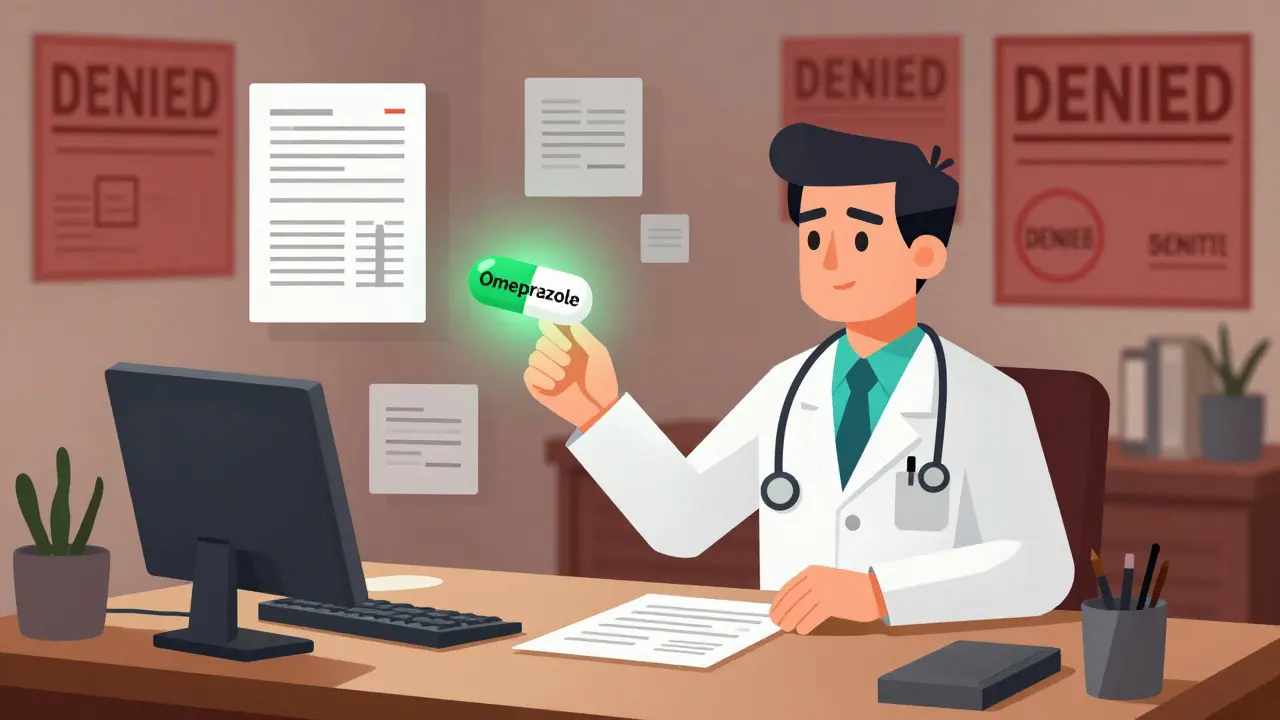
Prior authorization for generic medications is a growing administrative hurdle for providers. Learn how to secure approval, what documentation works, and how to reduce delays in a system that's becoming more complex - not less.
Continue reading...
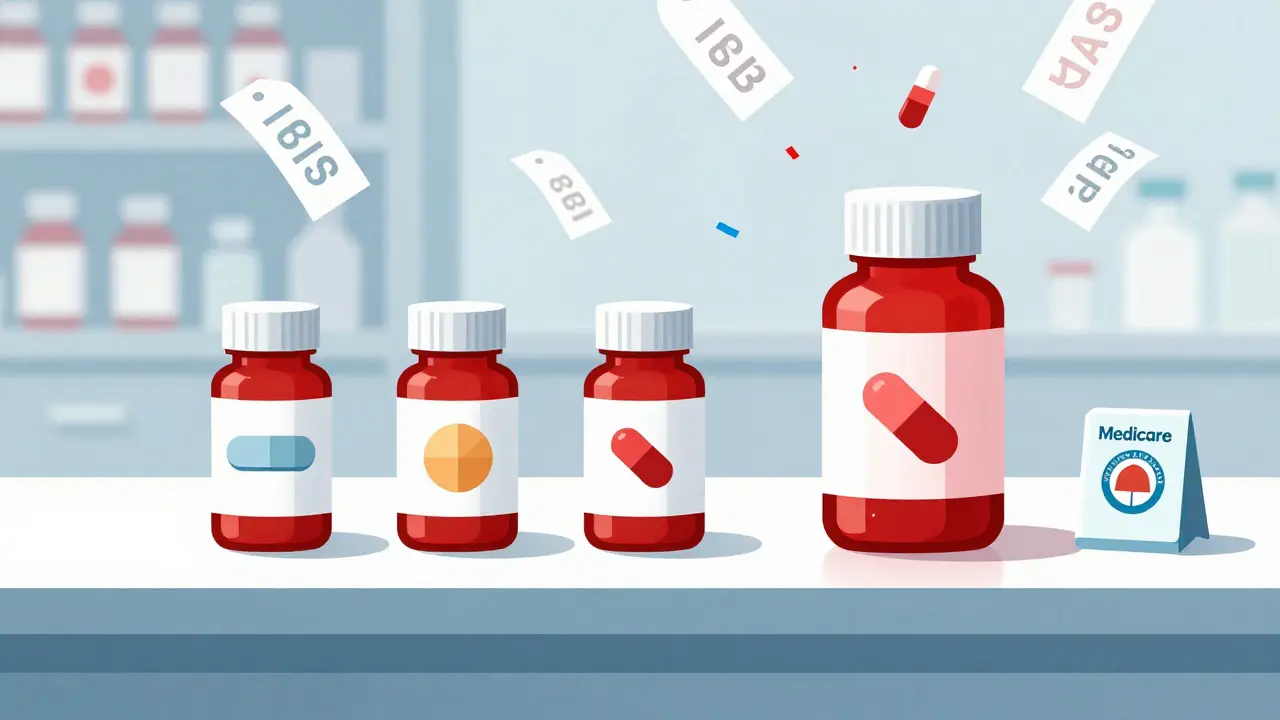
Generic drug competition is the most powerful tool for lowering prescription prices. Buyers like Medicare and insurers use the presence of multiple generic versions to drive down costs-saving billions annually.
Continue reading...
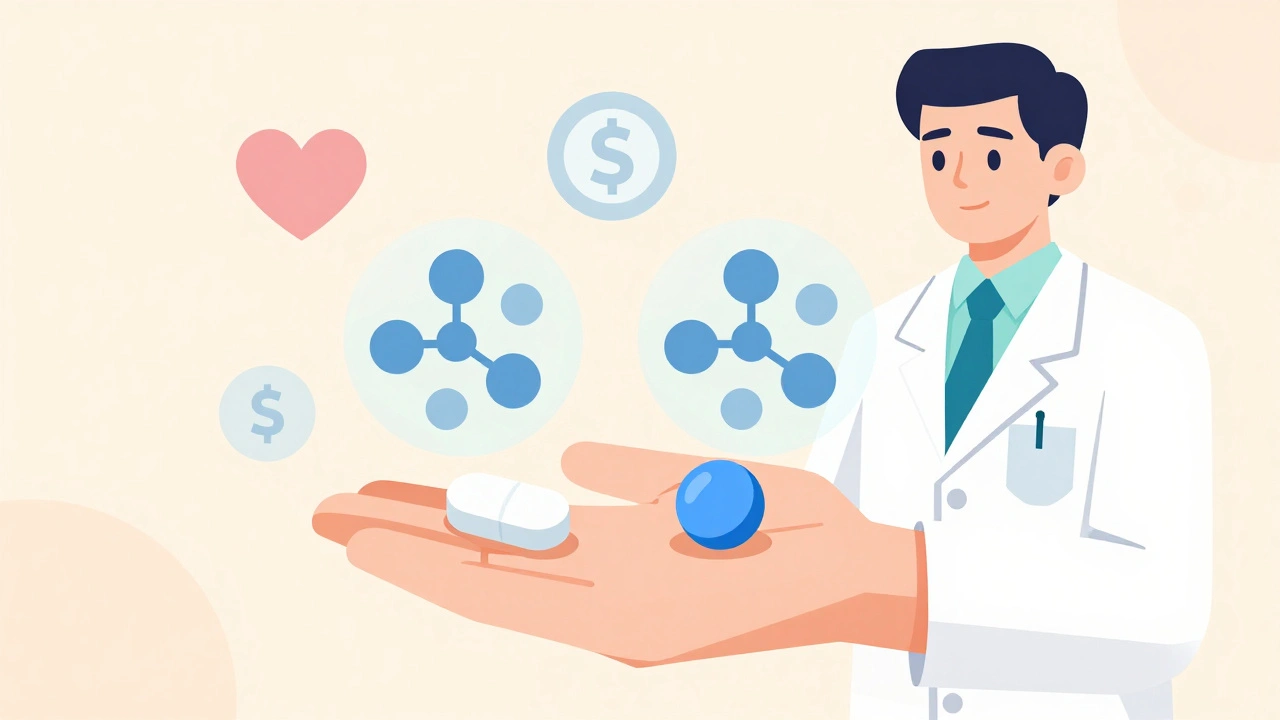
Learn how to effectively communicate with patients about generic medications to improve adherence, reduce costs, and build trust. Practical strategies, real-world examples, and science-backed facts for healthcare providers.
Continue reading...