Generic vs Brand Name Drugs: What You Really Need to Know
When you pick up a prescription, you might see two names: one you recognize, and another that looks like a random string of letters. That’s the difference between a generic drug, a chemically identical version of a brand-name medication approved by the FDA after the patent expires. Also known as non-brand medication, it works the same way, costs far less, and is used in over 90% of prescriptions in the U.S. But here’s the catch—some doctors still say "Do Not Substitute", and for good reason. Not all drugs are created equal, even when their ingredients match.
The real issue isn’t whether generics work—it’s whether they’re safe in your specific case. For drugs with a narrow therapeutic index—like warfarin, levothyroxine, or epilepsy meds—even tiny differences in absorption can cause serious problems. That’s why therapeutic equivalence, the scientific standard that proves two drugs produce the same clinical effect matters more than price. The FDA says most generics are equivalent, but studies show that switching between brands and generics for these sensitive drugs can lead to hospital visits. And it’s not just about chemistry—it’s about how your body reacts. Some people report feeling different on a generic, even when lab results say it’s identical. That’s not placebo; it’s real variation in how fillers, coatings, or manufacturing affect absorption.
Then there’s the system behind it. generic substitution, the practice of pharmacies swapping brand drugs for cheaper generics unless the doctor says otherwise is built into pharmacy workflows, often pushed by insurers and pharmacy benefit managers. But doctors who write "Do Not Substitute" aren’t just being stubborn—they’re protecting patients from unpredictable changes. Meanwhile, companies use evergreening, legal tricks to extend patents by making minor changes to a drug to delay generics, keeping prices high. And in some countries, compulsory licensing, a legal tool that lets governments override patents to make drugs affordable is used to save lives during crises. The truth? Generics are usually fine. But when your health depends on absolute consistency, brand might be the only safe choice.
Below, you’ll find real stories and science-backed guides on when generics work, when they don’t, and how to talk to your doctor about switching—or staying put. From FDA alerts to pill organizer mistakes, these posts cut through the noise and give you the facts you need to make smart choices—without being sold a myth.
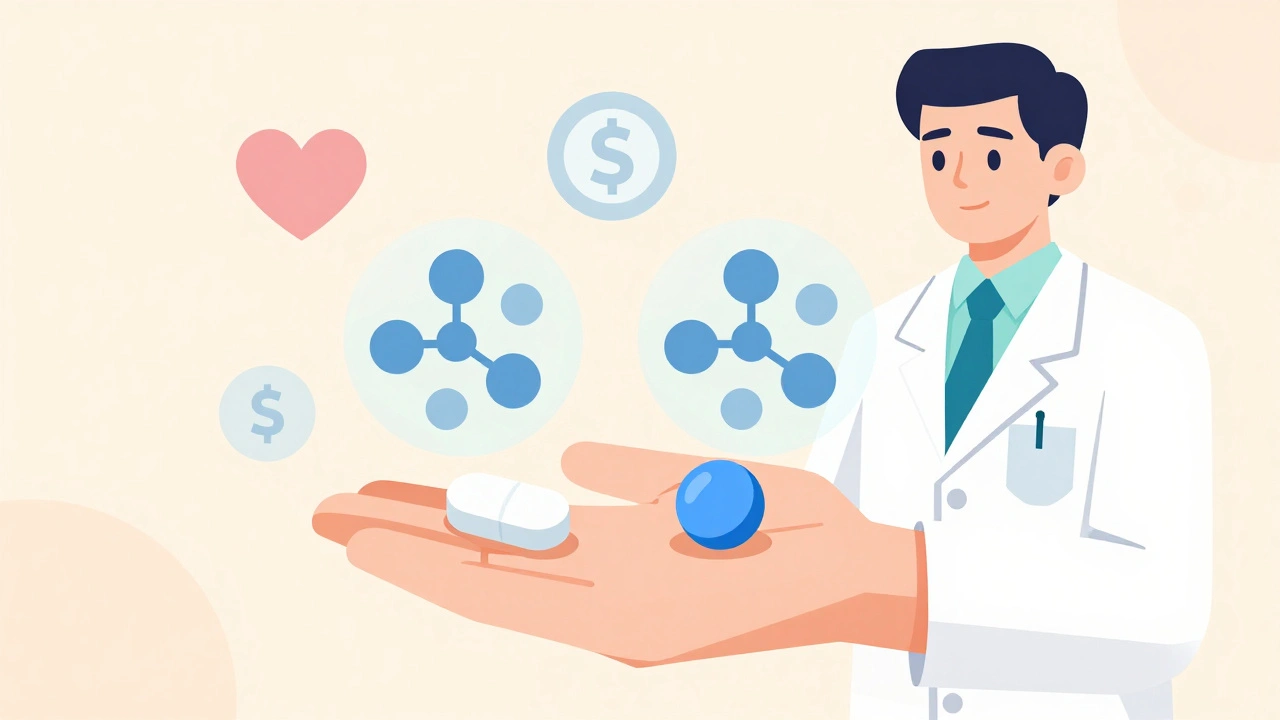
Learn how to effectively communicate with patients about generic medications to improve adherence, reduce costs, and build trust. Practical strategies, real-world examples, and science-backed facts for healthcare providers.
Continue reading...