Kidney Disease: Causes, Symptoms, and How to Manage It
When your kidney disease, a condition where the kidneys lose their ability to filter waste and excess fluid from the blood. Also known as chronic kidney disease, it often progresses silently until damage is severe. Most people don’t feel symptoms until their kidneys are already working at 30% or less. That’s why it’s called a silent killer—by the time you’re tired all the time, swollen in the ankles, or urinating too little or too much, it’s already advanced.
Kidney disease doesn’t happen overnight. It’s usually the result of long-term problems like high blood pressure, type 2 diabetes, or repeated kidney infections. These conditions slowly scar the tiny filters inside your kidneys, called nephrons. Once they’re damaged, they don’t heal. That’s why controlling your blood sugar and blood pressure isn’t just good advice—it’s the main way to stop kidney disease from getting worse. If you’re on long-term painkillers like ibuprofen or naproxen, you’re also putting extra strain on them. Your kidneys don’t have pain receptors, so they won’t scream when they’re in trouble. They just… stop working.
When kidney function drops below 15%, you enter what’s called end-stage renal disease. At that point, you need either dialysis, a treatment that filters your blood outside your body when your kidneys can’t or a transplant. Dialysis isn’t a cure—it’s a life-support system. You’ll need it three times a week, for hours at a time. Many people on dialysis still work, drive, and travel, but it changes everything: diet, fluid intake, energy levels, even sleep. And while a transplant can restore near-normal function, it comes with a lifetime of anti-rejection drugs and strict monitoring.
But here’s the thing: most cases of kidney disease are preventable. You don’t need fancy supplements or miracle diets. Just drink enough water, cut back on salt, avoid smoking, and get your blood pressure and blood sugar checked yearly—if you’re over 40 or have a family history of kidney problems. Even small changes like swapping soda for water or walking 30 minutes a day can make a big difference. And if you’re already diagnosed, knowing what foods to avoid (like processed meats, canned soups, or bananas in large amounts) can help you stay off dialysis longer.
What you’ll find below aren’t just articles—they’re real-world stories and practical guides from people who’ve lived with kidney disease, doctors who treat it, and experts who track how medications affect kidney function. From how common blood pressure pills like hydrochlorothiazide can impact your kidneys, to why some herbal supplements can actually harm them, this collection cuts through the noise. You’ll learn what tests actually matter, what symptoms to watch for, and how to talk to your doctor so you’re not just surviving—but staying in control.
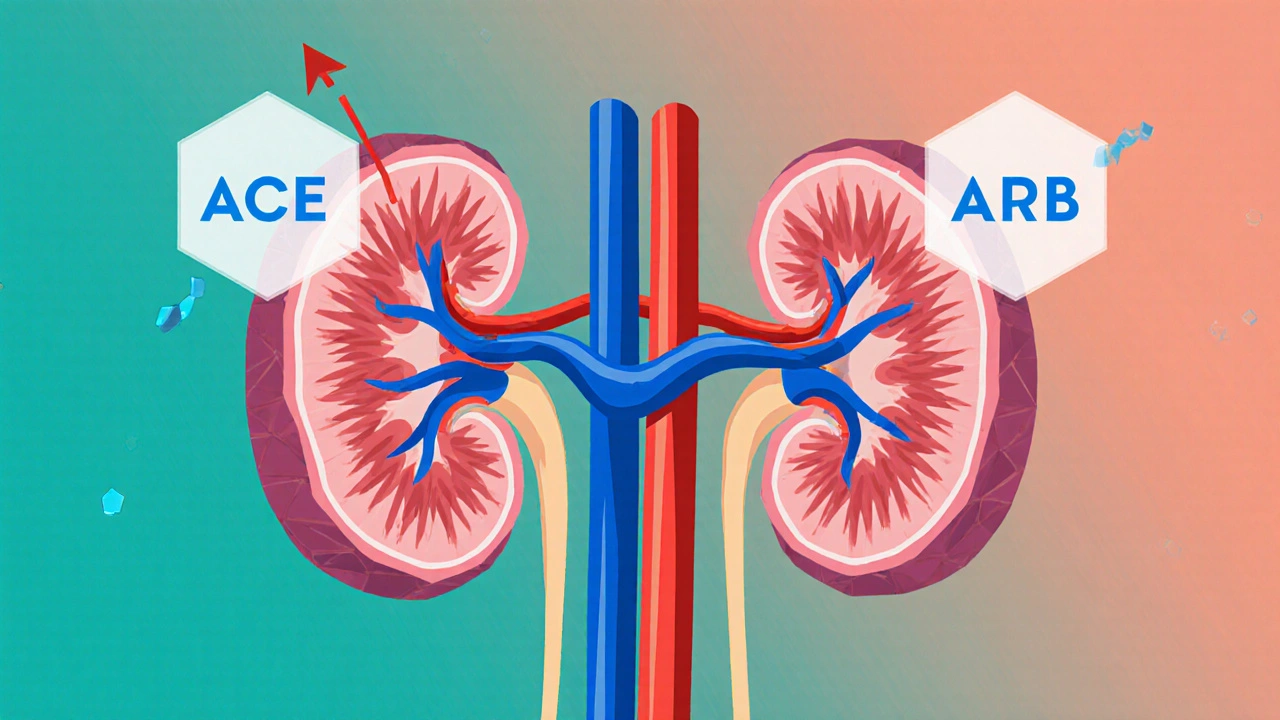
ACE inhibitors and ARBs are the most effective blood pressure drugs for protecting kidneys in chronic kidney disease. They reduce proteinuria, slow kidney decline, and are safe even in advanced stages when monitored properly.
Continue reading...