Lupus from Medication: What You Need to Know About Drug-Induced Lupus
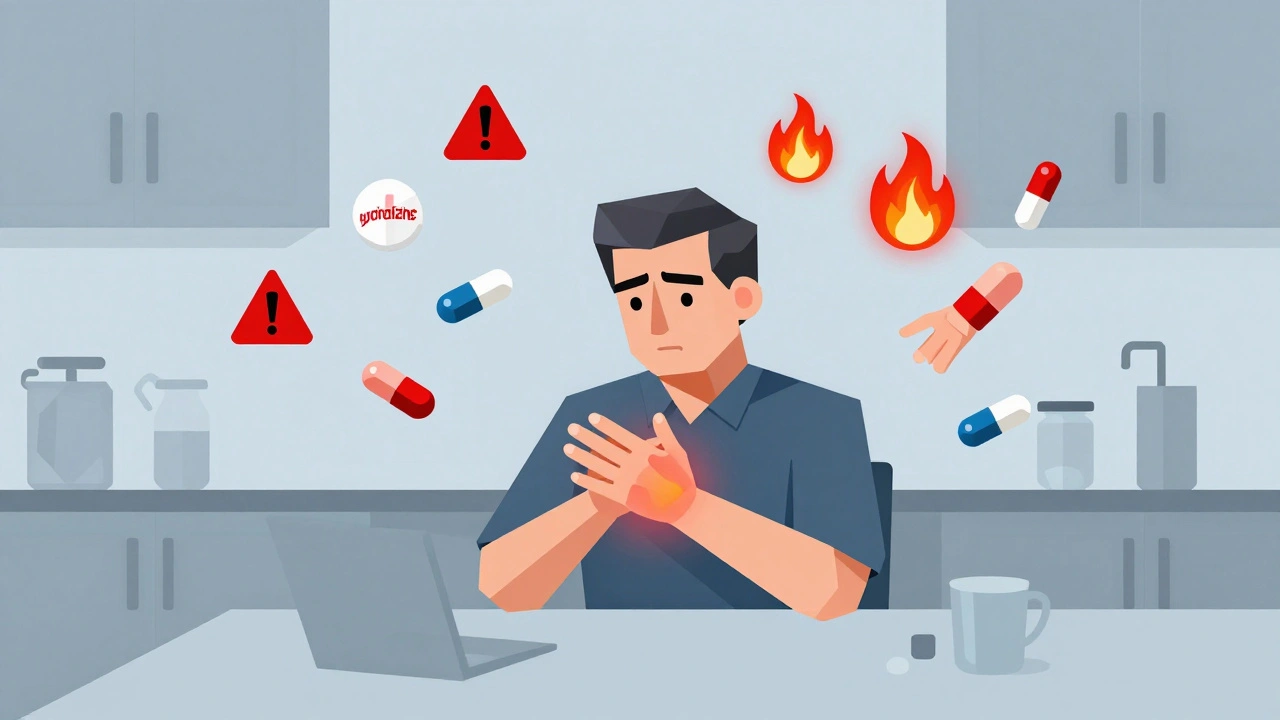
When your body turns against itself, it’s called an autoimmune reaction. Most people think of lupus as something you’re born with, but drug-induced lupus, a temporary form of lupus triggered by certain medications. It’s not the same as systemic lupus erythematosus, but it mimics it closely—joint pain, fatigue, rashes, and sometimes fever. The good news? It usually goes away once you stop the medicine. This isn’t rare. Thousands of people each year develop these symptoms after taking common drugs like blood pressure pills, anti-seizure meds, or even some antibiotics. It’s not a sign you’re weak or allergic—it’s a biological glitch triggered by chemistry.
Hydralazine, a drug used to treat high blood pressure. Procainamide, used for heart rhythm issues, is another big one. Even minocycline, an antibiotic often prescribed for acne, has been linked to cases. These aren’t obscure or experimental drugs—they’re widely prescribed, and many patients don’t realize their symptoms could be tied to them. The risk is low, but it’s real. And unlike genetic lupus, drug-induced lupus doesn’t usually damage kidneys or cause severe organ problems. That’s why catching it early matters: stop the drug, and your body often resets itself.
Doctors don’t always connect the dots. If you’ve been on a medication for months and suddenly feel tired, achy, or get a sun-sensitive rash, ask: could this be drug-induced lupus? Blood tests like ANA and anti-histone antibodies help confirm it. You won’t need lifelong immunosuppressants. Just a switch in meds and a few weeks to recover. It’s not something you can prevent entirely, but knowing which drugs carry this risk helps you speak up before symptoms get worse.
What you’ll find below are real, practical guides from trusted sources on how medications affect your immune system, how to spot hidden side effects, and what to do when something doesn’t feel right. From how to talk to your provider about drug risks to understanding why some generics trigger reactions differently, these posts give you the tools to protect yourself. You’re not just taking pills—you’re managing your body’s response. And with the right info, you can stay in control.
Drug-induced lupus mimics autoimmune lupus but is caused by certain medications. Symptoms include joint pain, fatigue, and fever. The good news? It usually reverses completely after stopping the drug. Learn how to recognize it and recover.
Continue reading...