MRSA Skin Infection: Causes, Treatment, and How to Avoid Spread
When a MRSA skin infection, a type of staph bacteria resistant to common antibiotics like methicillin. Also known as methicillin-resistant Staphylococcus aureus, it starts as a small bump that looks like a pimple or spider bite but quickly turns into a painful, swollen abscess. Unlike regular staph, MRSA doesn’t respond to penicillin, amoxicillin, or other beta-lactam antibiotics. That’s why it’s dangerous — what seems like a simple skin infection can turn into something serious if treated with the wrong drug.
MRSA spreads through direct skin-to-skin contact or by touching surfaces contaminated with the bacteria — gym equipment, towels, razors, or even shared locker rooms. People with cuts, eczema, or weakened immune systems are more at risk, but healthy individuals get it too. It’s not rare: the CDC estimates over 120,000 MRSA skin infections happen in the U.S. every year. And while hospital-acquired MRSA is declining, community-acquired MRSA is on the rise, especially among athletes, military recruits, and kids in daycare.
What does it look like? Red, warm, swollen, tender bumps — sometimes with pus. Fever and chills can follow. If you ignore it, MRSA can burrow deeper, infecting your bloodstream, lungs, or heart valves. That’s why early treatment matters. Doctors don’t just prescribe any antibiotic. They often use clindamycin, trimethoprim-sulfamethoxazole, or doxycycline — drugs that actually work against resistant strains. In some cases, they’ll just drain the abscess and skip antibiotics altogether. You don’t always need pills.
Prevention is simpler than you think. Wash your hands often. Keep wounds covered. Don’t share personal items. Shower after workouts. Clean gym gear regularly. If you’ve had MRSA before, you’re more likely to get it again — so hygiene isn’t optional, it’s essential.
There’s no magic cure, but knowing what to watch for and how to act can stop it before it spreads. Below, you’ll find real-world guides on how to identify early signs, what treatments actually work, how to avoid passing it to others, and what to do if antibiotics fail.
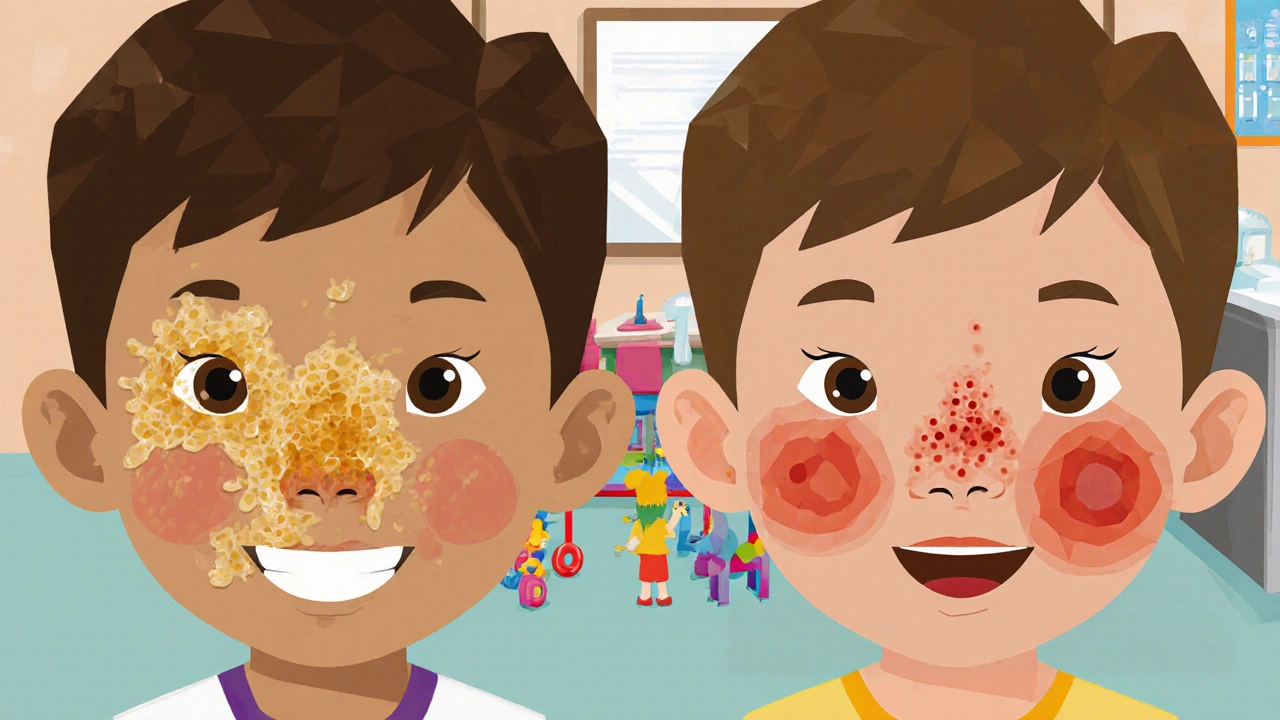
Learn how to tell impetigo and cellulitis apart, what causes them, and which antibiotics actually work-based on current guidelines and real-world patterns in treatment.
Continue reading...