Recover from DIL: Understanding Drug-Induced Lupus and How to Move Forward
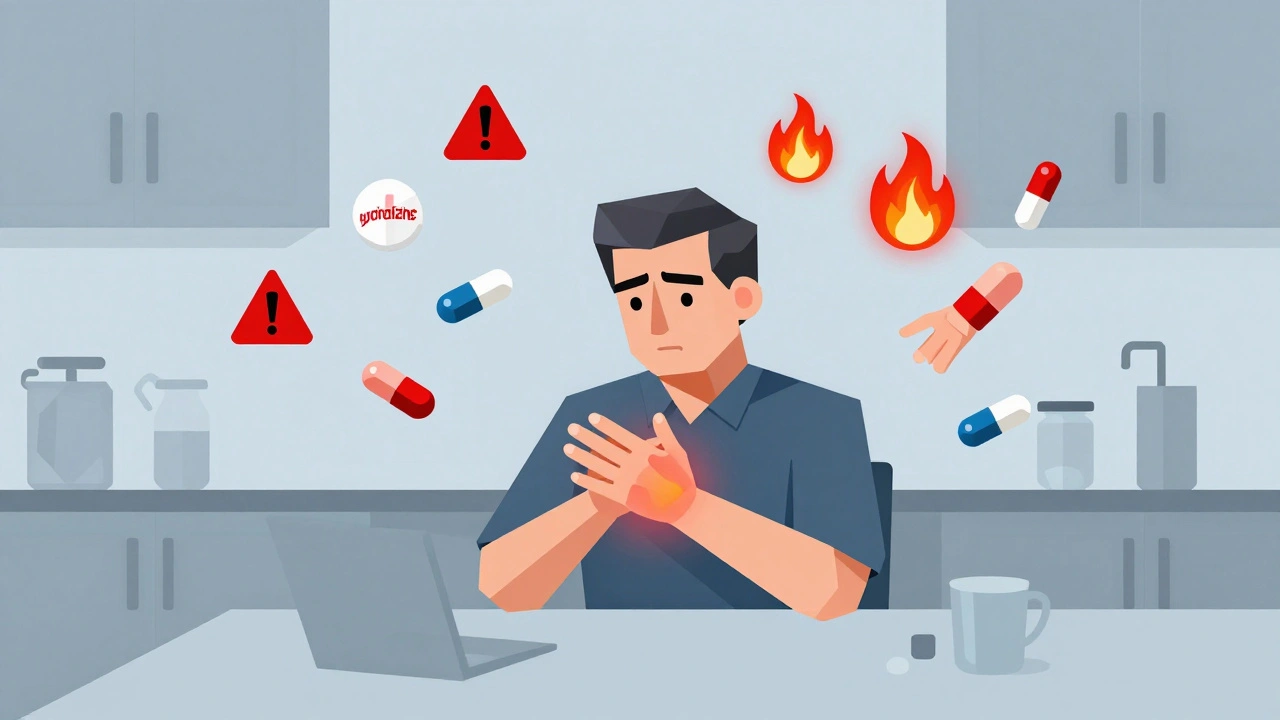
When you recover from DIL, Drug-Induced Lupus is an autoimmune reaction triggered by certain medications, not the same as systemic lupus but with similar symptoms. Also known as drug-induced lupus erythematosus, it happens when your immune system mistakenly attacks your own tissues after long-term use of specific drugs. Unlike regular lupus, DIL usually goes away after you stop the medicine—no lifelong treatment needed. But knowing which drugs cause it, spotting the signs early, and acting fast makes all the difference.
Common culprits include hydralazine, a blood pressure drug often linked to DIL in older adults, procainamide, used for heart rhythm issues, and minocycline, an antibiotic sometimes prescribed for acne or infections. These aren’t rare—millions take them every year. But if you’re on one of these long-term and start feeling joint pain, fatigue, or a rash that looks like sunburn, don’t ignore it. DIL doesn’t usually damage organs like kidneys or the brain, which is why recovery is so likely once the trigger is removed.
Most people feel better within weeks after stopping the drug. Your doctor might suggest anti-inflammatories or low-dose steroids to ease symptoms while your body resets. But the real key is identifying the cause. Many patients don’t connect their symptoms to a medication they’ve been taking for months—even years. That’s why tracking every pill you take matters. If you’ve been on a new drug and symptoms showed up later, bring that list to your doctor. It’s not about blaming the medicine—it’s about finding the right path back to feeling normal.
Some people worry that switching from a brand-name drug to a generic might increase risk. It doesn’t. DIL is tied to the active ingredient, not the brand. Whether you took hydralazine from a big pharma company or a generic maker, the risk is the same. What changes is your ability to afford treatment long-term—and that’s why understanding generic substitution, like in this guide, matters for your long-term health.
Recovering from DIL isn’t about finding a miracle cure. It’s about awareness, timing, and stopping the trigger. The good news? Most people bounce back completely. The better news? You’re not alone—thousands have done it before you. Below, you’ll find real-world advice from providers and patients on spotting early signs, managing symptoms safely, and avoiding the same mistake twice.
Drug-induced lupus mimics autoimmune lupus but is caused by certain medications. Symptoms include joint pain, fatigue, and fever. The good news? It usually reverses completely after stopping the drug. Learn how to recognize it and recover.
Continue reading...