Skin Thinning: Causes, Risks, and How to Protect Your Skin
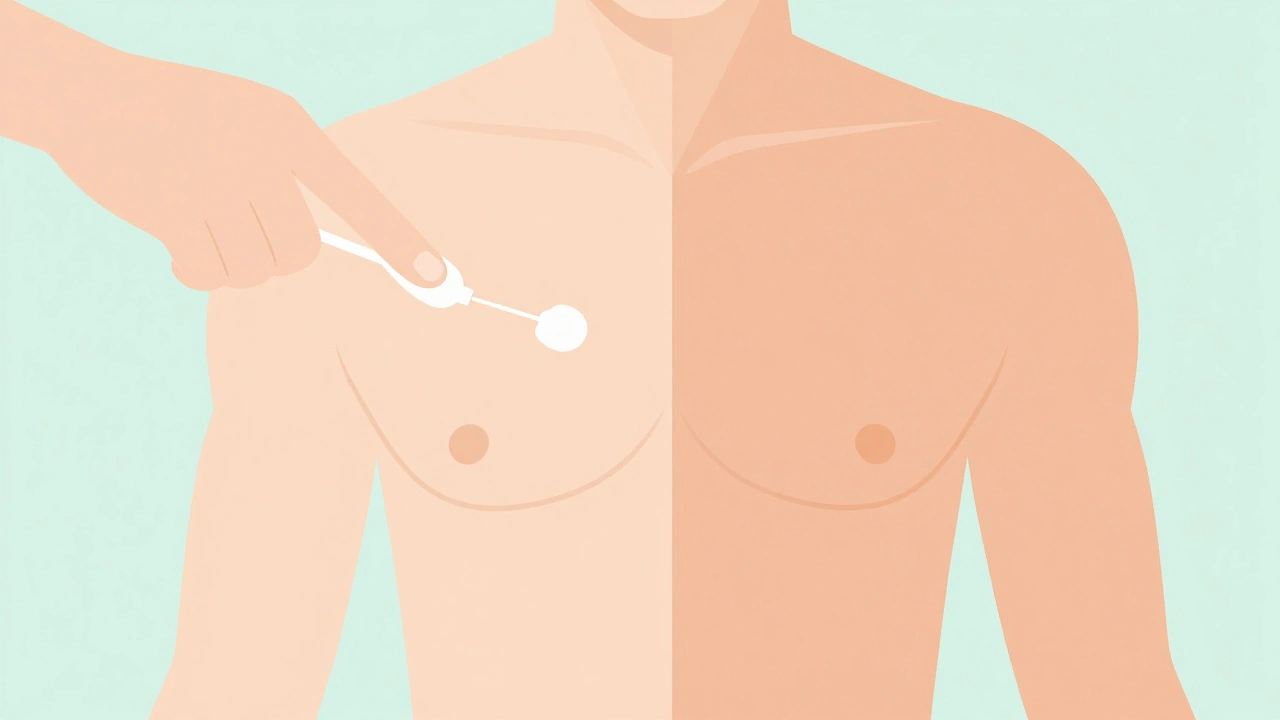
When you use topical steroids, prescription creams or ointments used to reduce inflammation and itching in skin conditions like eczema or psoriasis. Also known as corticosteroids, they are one of the most effective tools for managing chronic skin issues—but they come with a hidden cost. skin thinning, a condition where the skin becomes fragile, transparent, and easily bruised due to prolonged steroid exposure isn’t rare. It happens more often than people realize, especially when strong steroids are used daily for months, even on sensitive areas like the face, armpits, or inner thighs.
This isn’t just about looks. Thinned skin loses its natural protection. You might notice veins showing through, stretch marks forming without weight gain, or minor bumps turning into open sores. It’s not an allergic reaction—it’s a direct effect of how steroids slow down collagen production. And while some doctors assume patients know the risks, many don’t. If you’ve been using a steroid cream for more than two weeks straight, especially a high-potency one, you’re at risk. The good news? You can reverse early stages by cutting back, switching to weaker formulas, or using them only on flare-ups—not daily.
It’s not just topical steroids either. Long-term use of oral corticosteroids, pills like prednisone prescribed for autoimmune diseases or severe asthma can cause skin thinning too, along with other systemic issues. And even over-the-counter hydrocortisone, if used daily for months, can do damage. Your skin’s barrier doesn’t bounce back overnight. That’s why timing matters: use the lowest strength for the shortest time possible. Always talk to your doctor about tapering off, not stopping cold.
What helps? Moisturizers with ceramides rebuild the skin’s natural shield. Sunscreen is non-negotiable—thinned skin burns faster. And if you’re using steroids for eczema or rosacea, consider non-steroid alternatives like calcineurin inhibitors, which don’t cause thinning. Some people don’t realize they can manage flare-ups with lifestyle changes—like avoiding harsh soaps, keeping skin cool, or managing stress—that reduce the need for steroids in the first place.
Below, you’ll find real, practical guides that cover exactly this: how to use medications safely, how to spot side effects before they become serious, and how to protect your body while still treating your condition. From how to verify your pharmacy to understanding how drugs like fentanyl patches react to heat, these posts aren’t theoretical—they’re for people who need to take meds and want to stay safe doing it. You’re not alone in this. Let’s get you the facts you actually need.
Topical steroids are effective for eczema and psoriasis but can cause skin thinning if misused. Learn how to apply them safely, avoid side effects, and when to switch to non-steroidal alternatives.
Continue reading...