Topical Steroids: What They Are, How They Work, and When to Use Them
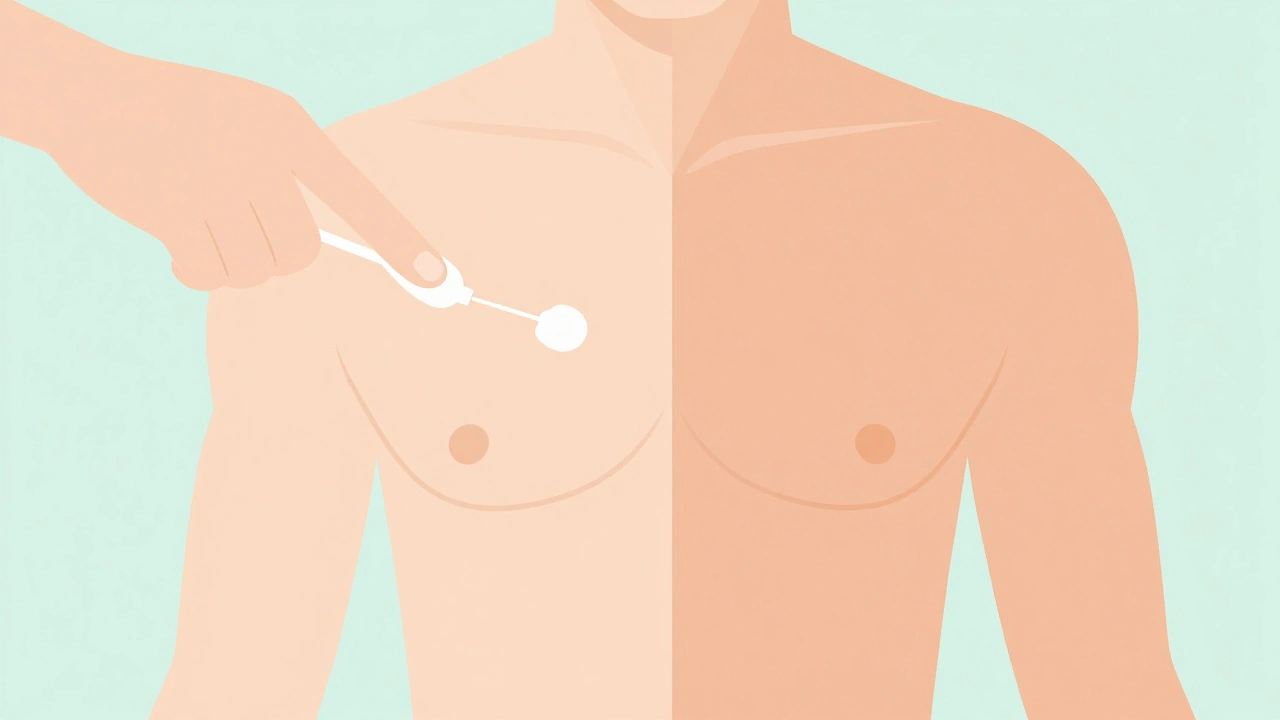
When your skin is red, itchy, or flaky, topical steroids, medicated creams or ointments that reduce inflammation by calming the immune response in the skin. Also known as corticosteroids, they are one of the most common treatments for eczema, psoriasis, and allergic rashes. But they’re not just simple creams—they’re powerful drugs that need careful use. Too little and they won’t help. Too much or too long, and they can thin your skin, cause stretch marks, or even make your rash worse.
Topical steroids work by suppressing the immune system right where it’s overreacting. That’s why they’re so effective for conditions like eczema, a chronic skin condition marked by dry, itchy patches that flare up in response to irritants or stress. They’re also used for contact dermatitis, a reaction to things like poison ivy, nickel, or harsh soaps that causes red, burning skin. But they don’t fix the root cause. They just quiet the noise. That’s why many people end up cycling on and off them—relief comes fast, but the problem returns when they stop.
Not all topical steroids are the same. They come in different strengths—from mild hydrocortisone you can buy over the counter to strong versions like clobetasol that need a prescription. Where you apply them matters too. A cream strong enough for your elbow might damage your eyelids or groin skin. Doctors often recommend using the lowest strength that works, only for short periods, and avoiding sensitive areas unless directed. Some people use them daily for months without realizing they’re risking side effects. Others avoid them completely because they’ve heard horror stories. The truth? Used right, they’re safe and life-changing. Used wrong, they can cause real harm.
You’ll find posts here that break down exactly how to use these creams without messing up your skin. Some explain how to tell if your rash is actually fungal and not inflamed—because steroids can make fungal infections worse. Others show how to taper off safely so your skin doesn’t rebound. There are guides on mixing them with moisturizers, why some people get thin skin after years of use, and how to spot the difference between a flare and a side effect. You’ll also see what alternatives exist—like calcineurin inhibitors or newer non-steroid creams—that work for people who can’t tolerate steroids anymore.
Whether you’re dealing with a stubborn rash, a doctor’s unclear advice, or just tired of the cycle of itching and creaming, the articles below give you the real, no-fluff details. No marketing. No guesswork. Just what works, what doesn’t, and how to stay in control of your skin.
Topical steroids are effective for eczema and psoriasis but can cause skin thinning if misused. Learn how to apply them safely, avoid side effects, and when to switch to non-steroidal alternatives.
Continue reading...